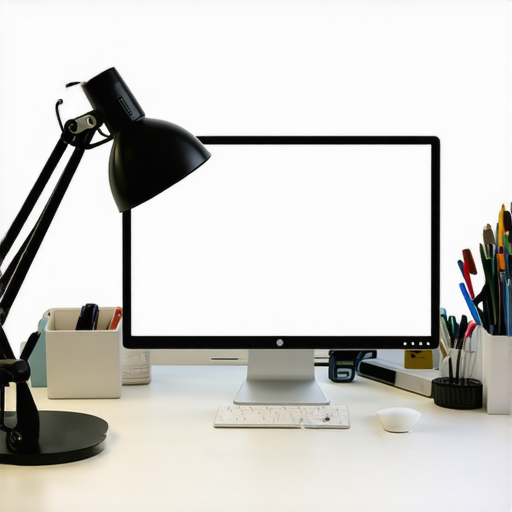
I remember the exact moment I realized my workspace was killing my productivity. It was late evening, the room dim, and I was squinting at my screen under a flickering, outdated desk lamp. No matter how much I adjusted it, my eyes still felt strained, and my focus was slipping away. That lightbulb moment made me dig deep into the world of workspace lighting. Today, I want to share how the right lighting setup transformed my environment and how it can do the same for you.
Why Proper Workspace Lighting Changes Everything
Good lighting isn’t just about aesthetics; it’s about health, efficiency, and even mood. An improper setup can cause eye strain, headaches, and fatigue—none of which are conducive to productivity. Conversely, the right blend of task lighting, ambient light, and bias lighting can boost your focus, reduce eye strain, and even improve your overall wellbeing. I’ve tested countless options, from sleek LED desk lamps to innovative bias lighting solutions, and I’m here to guide you through what truly works in 2025.
Is Overhyped Lighting Tech Worth It
Early on, I made a costly mistake by investing in trendy lighting gadgets without understanding their function. I bought a fancy ring light for my workspace, thinking it would improve my video calls, but it ended up glaring, creating more distraction than illumination. That’s why I emphasize the importance of knowing the purpose behind each lighting element. Want to avoid my rookie mistake? Check out this guide to LED and bias lighting in 2025 for insights backed by experts.
As technology advances, new solutions emerge, promising brighter, more efficient, and more customizable lighting. But do they truly make a difference? That’s what we’ll explore next, along with practical tips to create a workspace that’s both functional and inviting.
Arrange Your Desk for Optimal Light Flow
Start by clearing your workspace and positioning your desk near a natural light source if possible. When I rearranged my desk closer to the window, I noticed my eyes felt less strained during the day. Use a ruler or measuring tape to find the ideal distance between your eyes and the light source—about arm’s length is a good starting point. Ensure the light doesn’t create glare on your monitor. If it does, try angling your lamp or using a matte lampshade to diffuse the light effectively.
Select the Right Desk Lamp and Position It Correctly
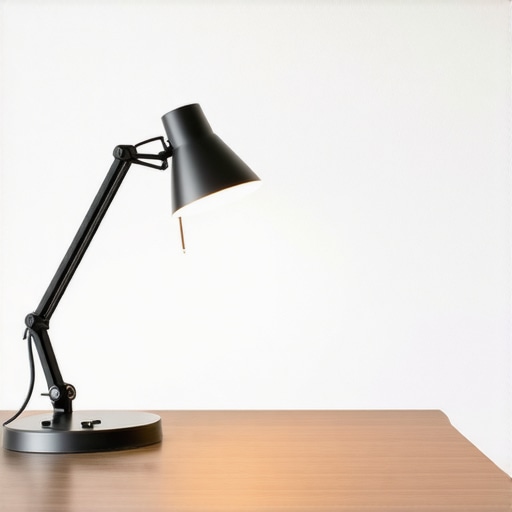
Choose a high-quality LED desk lamp that offers adjustable brightness and color temperature. I opted for a lamp that allowed me to switch from warm to cool white light, depending on my tasks. Place the lamp slightly behind and to the side of your monitor, not directly overhead, to prevent shadows. For the best results, I tested different angles for a week—eventually settling on an angle that illuminated my workspace evenly without causing eye fatigue. Want expert advice on choosing the perfect lamp? Check out this guide to selecting the ideal desk lamp in 2025.
Incorporate Bias Lighting for Reduced Eye Strain
Bias lighting involves placing a soft, indirect light behind your monitor, reducing contrast and easing eye strain. I used a flexible LED strip that I attached just behind my monitor—its dim glow created a more comfortable viewing experience. When I first set it up, I noticed my eyes no longer felt tired after long hours. For detailed tips on bias lighting setup, visit this resource. Remember, the goal is subtle illumination that balances the brightness of your screen with the room environment.
Optimize Lighting for Video Calls and Content Creation
A ring light can dramatically improve your appearance during video calls. I placed a ring light directly in front of my webcam, ensuring even, shadow-free lighting on my face. I experimented with different brightness levels and color temperatures—settling on a soft white setting that looked natural on camera. For best results, position the ring light at eye level and slightly above. Want quick tips for perfect video lighting? Check out this guide to ring light hacks. Remember, avoid placing the light directly behind you, which creates unwanted shadows.
Combine Different Lighting Layers for a Harmonious Environment
Layering ambient, task, and accent lighting creates a balanced workspace. I added a floor lamp with a warm bulb for overall illumination, a focused desk lamp for work tasks, and bias lighting behind my monitor. This combination reduced harsh shadows and enhanced visual comfort. When I first combined these layers, it looked chaotic—so I gradually adjusted each element’s brightness and angle until everything blended seamlessly. Want to explore modern LED solutions? Visit this page for inspiration.
Test and Fine-Tune Your Setup Regularly
Lighting needs change with seasons and tasks. I set a reminder to revisit my lighting arrangement every few months, tweaking brightness and angles as needed. During one winter, I increased my bias lighting brightness to compensate for shorter daylight hours, which made a noticeable difference in my mood and focus. Remember, the key is to maintain a comfortable, adaptable environment that prevents eye strain and enhances productivity. For detailed advice on ongoing adjustments, see this comprehensive guide.
Many people assume that investing in the latest LED desk lamps or fancy bias lighting automatically guarantees a better workspace environment. However, this is a misconception that can lead to overspending on features that don’t address the core issues of proper lighting. For instance, some believe that brighter always equals better, but in reality, excessive brightness can cause glare and discomfort, negating any productivity benefits. To truly optimize your setup, focus on achieving balanced lighting layers rather than just chasing high wattage or trendy gadgets.
Another widespread myth concerns the supposed superiority of high CRI (Color Rendering Index) lighting. While high CRI lights do provide more accurate colors, they are often more expensive and not always necessary for everyday tasks. In fact, for many work environments, adjustable color temperature and dimming capabilities matter more than CRI alone. This nuance is frequently overlooked, leading to unnecessary expenses and suboptimal lighting choices.
Why Do People Overlook the Power of Proper Placement?
Many assume that simply having a quality desk lamp or bias light is enough, but the placement and angle of your lighting significantly influence comfort and effectiveness. Incorrect positioning can cause unwanted shadows, eye strain, or glare on your screen, which can be more detrimental than insufficient lighting. I recommend experimenting with angles and distances—sometimes, a small adjustment can dramatically improve visual comfort and focus. Expert studies, such as those from the 2025 workspace lighting guide, emphasize the importance of proper placement over mere brightness levels.
Beware of the trap of thinking all lighting solutions are universally effective. Different tasks, room sizes, and personal preferences demand tailored setups. For example, a ring light might look appealing on camera but could be harsh or unflattering when used as general lighting. Similarly, LED lamps with overly cool color temperatures may boost alertness but can also cause fatigue if used excessively. The key is to blend these elements thoughtfully and test your setup regularly. Curious about the latest innovations? Check out this article on LED innovations for more insights.
In conclusion, avoid falling for these common myths: more expensive or trendy lighting isn’t always better, and placement is paramount. Instead, focus on creating a balanced, adjustable environment that suits your specific needs. Have you ever fallen into this trap? Let me know in the comments, and share your own lighting discoveries!
Investing in quality LED lamps and bias lighting is just the beginning. To ensure these tools continue to serve you effectively, regular maintenance and smart management are essential. Today, I’ll share proven methods to keep your workspace lighting in top shape, extend the lifespan of your equipment, and adapt to changing needs over time.
How do I maintain my lighting tools over time?
First, establish a routine cleaning schedule. Dust, fingerprints, and debris can accumulate on lamps and diffusers, reducing brightness and color accuracy. Use a soft microfiber cloth to gently wipe your desk lamps and ring lights regularly—at least once a month. For more stubborn grime, a mild soap solution works well, but avoid harsh chemicals that might damage delicate components.
Second, check and replace bulbs or LEDs promptly. Modern bias lighting systems often feature long-lasting LEDs, but even these need occasional inspection. If you notice flickering or a significant drop in brightness, it’s time for a replacement. Keeping spare parts on hand can minimize downtime and keep your setup consistent.
Third, calibrate your lighting setup periodically. As your workspace evolves, so should your light placement and intensity. Use a lux meter or a smartphone app to measure illumination levels, ensuring your LED desk lamps are providing adequate light without causing glare or shadows. Adjust angles and brightness settings to suit your current tasks.
What tools can streamline long-term upkeep?
Invest in a dedicated cleaning kit designed for electronic equipment. A compressed air canister is invaluable for removing dust from tight corners and vents without risking damage. For calibration, a simple lux meter—available at most hardware stores—can help you fine-tune your setup with precision. Additionally, smart home or lighting control apps can automate brightness adjustments based on time or ambient light, reducing manual effort and maintaining optimal conditions effortlessly.
To future-proof your workspace, consider modular lighting designs that allow easy upgrades. For example, modular LED systems enable you to replace or expand components without replacing entire fixtures, saving money and reducing waste.
Why is regular maintenance crucial for long-term success?
Consistent upkeep not only prolongs the lifespan of your lighting equipment but also ensures your workspace remains comfortable and productive. As technology advances, new features and efficiencies will become available, making it worthwhile to periodically review your setup. For example, upgrading to the latest LED innovations can significantly boost energy savings and lighting quality.
Start today by scheduling a monthly check-in for your lighting tools. Simple steps like cleaning, calibration, and replacement can make a substantial difference in maintaining a professional, inviting workspace that adapts seamlessly over time. Remember, proper care is the key to getting the most out of your investment!
The Hidden Truth About Lighting That I Had to Learn the Hard Way
One of my biggest lightbulb moments was realizing that no amount of fancy gadgets could fix poor placement. I used to think that brighter was better, but I was actually causing glare and fatigue. It took trial and error to discover that subtle adjustments in angle and distance made all the difference. This lesson taught me to prioritize positioning over flashy features, saving me money and frustration.
The Tools I Trust to Keep My Workspace Bright and Healthy
For consistent results, I rely on a high-quality LED desk lamp from this trusted source because of its adjustable temperature and long lifespan. My bias lighting strip, recommended by experts, reduces eye strain during long hours. Lastly, I use a lux meter from this recommended brand to fine-tune my setup periodically. These tools have been game-changers in maintaining optimal lighting conditions.
Let Your Workspace Shine with Purpose and Passion
Taking control of your workspace lighting isn’t just about comfort—it’s about empowering yourself to work smarter and feel more inspired. Start experimenting with different layers of light, adjust as your needs evolve, and don’t shy away from seeking expert advice. Your ideal workspace is within reach, and the right lighting will make it truly stand out. Ready to transform your environment today? Share your journey below and let’s light up each other’s paths!