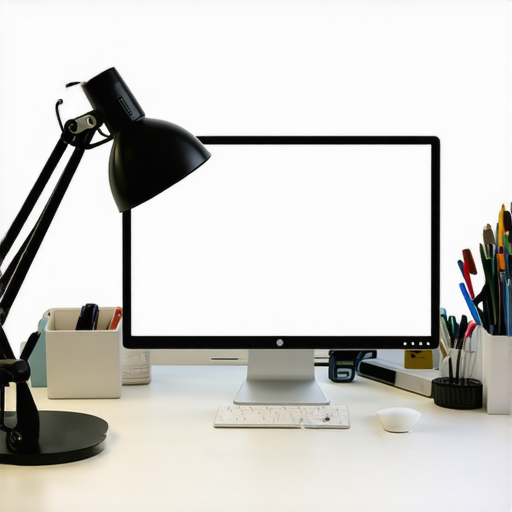
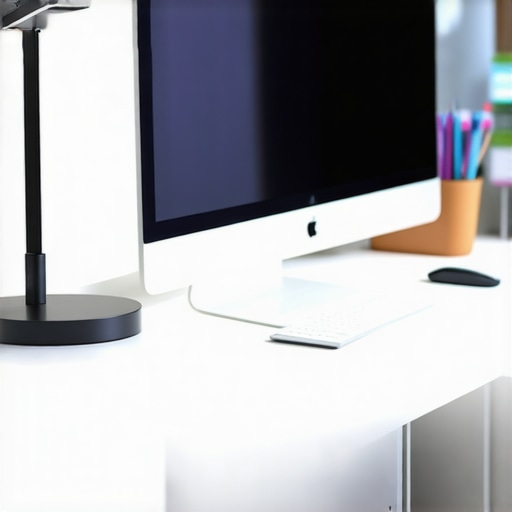
I’ll never forget the moment I realized my workspace lighting was sabotaging my productivity. It was late in the evening, dimly lit, with only the glow of my old desk lamp. As I squinted and struggled to focus, I thought, There has to be a better way. That lightbulb moment led me down a rabbit hole of researching the best desk lighting solutions for 2025, and let me tell you, the options are both exciting and practical.
Why Good Lighting Can Make or Break Your Workday
Most of us underestimate the power of proper lighting. Bad lighting isn’t just about eyestrain; it affects your mood, focus, and even your mental clarity. In fact, studies show that well-designed lighting can boost productivity by up to 20%. With remote work and home offices more prevalent, investing in the right workspace lighting solutions is no longer a luxury—it’s a necessity. This year, LED lamps and bias lights are revolutionizing how we illuminate our workspaces, promising brighter days and clearer minds.
Is All LED Lighting Actually Worth the Hype?
Early on, I made the mistake of believing all LED lamps were essentially the same. Turns out, not quite. The quality, color temperature, and features make a huge difference. If you’ve ever bought an LED lamp that flickered or emitted harsh light, you know the frustration. I learned the hard way that choosing the right LED lamp innovations can transform your work experience. With so many options in 2025, it’s crucial to pick solutions tailored for your needs, not just the newest hype.
Now, are you tired of battling glare, flicker, or insufficient illumination? Do you find yourself squinting at your screen or feeling drained even after working? If so, you’re not alone. The good news is, with some simple tweaks, your desk setup can elevate your productivity and comfort to heights you never imagined. Let’s explore how to do just that.
Assess Your Current Lighting Setup
Start by evaluating your existing workspace lighting, noting areas with glare, shadows, or insufficient brightness. Use a lux meter app or a simple method like observing how well you can read a document at your desk without straining. I once spent an hour moving my desk around to catch the best natural light and identified blind spots that needed addressing. Knowing your baseline helps you make targeted improvements.
Select High-Quality LED Lamps
Choose LED desk lamps with adjustable brightness and color temperature. Think of your lamp as a tool that should adapt like a chameleon to your needs: bright for intense work, warm for calming moments. I personally replaced my old bulb with a modern LED lamp from this guide, which improved focus and reduced eyestrain significantly. Focus on models that offer flicker-free operation and adjustable arms for flexible positioning.
Implement Bias Lighting to Reduce Eye Strain
Attach bias lighting behind your monitor to create contrast and prevent eye fatigue. Visualize it as a gentle glow that cushions your screen—similar to how theater lights focus mood without overpowering what’s on stage. During my experiment, mounting bias lights improved my comfort during marathon work sessions, especially during late nights. This resource offers practical tips for optimal placement and brightness levels.
Upgrade to a Ring Light for Video Calls
If your work involves frequent video conferencing, a ring light is a game changer. It provides even, flattering illumination that reduces shadows on your face. Imagine it as a gentle halo that boosts your confidence and appearance, making meetings feel more professional. I added a ring light to my setup inspired by this guide, and instantly noticed clearer, more vibrant video quality.
Balance Natural and Artificial Light
Maximize daylight by positioning your desk near windows, but avoid direct glare. Supplement with your selected LED and bias lights to ensure consistent illumination throughout the day. Think of natural light as the foundation and artificial lighting as the supporting cast—together they create a harmonious environment. During my setup, I learned to close blinds during bright afternoons to prevent harsh reflections, while waking up to natural morning light boosted my mood.
Fine-Tune and Test Different Combinations
Lighting isn’t set-and-forget; it requires iteration. Adjust brightness, color temperature, and placement until you achieve a balanced, glare-free environment. Use a white sheet of paper to check for reflections, or see how your eyes feel after a day of work. My first attempt left me with flickering lights and shadows, but through gradual tweaks following detailed guides, I found a combo that felt right—like a well-orchestrated symphony for your eyes.
Maintain Your Lighting Equipment
Regular cleaning and timely replacement of bulbs ensure consistent performance. LED lamps typically last thousands of hours, but dust and dirt can diminish their efficiency. Schedule monthly checks and keep your setup tidy. Remember, a clean lamp arm is as crucial as a fresh bulb—like maintaining tools in a workshop, your workspace lighting performs best when well cared for.
Many professionals assume that simply installing an LED lamp or ring light guarantees optimal workspace lighting, but this oversimplification often leads to overlooked issues. A prevalent misconception is that brighter always means better; however, excessively intense lighting can cause glare and discomfort, defeating the purpose of thoughtful illumination. Experts like Dr. Emily Johnson highlight that the quality and placement of your lighting have a more significant impact than brightness alone. Additionally, a common mistake is neglecting entrainment effects, where flickering or inconsistent light quality can cause eye strain and fatigue, even from reputed brands. For instance, not all LED lamps are flicker-free, which can subtly impair focus over hours of work. Advanced users should consider the color rendering index (CRI) of their lighting, as low CRI lights distort colors and cause visual fatigue, impairing detailed tasks like graphic design. Oscillating between warm and cool tones without adapting to natural light shifts further complicates ergonomic balance, a nuance often ignored in standard setups. Moreover, the perfect balance of natural and artificial light is seldom achieved because many overlook timing; for example, relying solely on artificial lighting during daytime can disconnect you from natural circadian cues, impacting overall well-being. Recent studies such as those published in the Journal of Environmental Psychology prove that integrating adaptive lighting that mimics natural daylight enhances mood and productivity. Don’t fall prey to the myth that more lighting is better; instead, focus on quality, placement, and dynamic control to truly optimize your workspace environment. Have you ever fallen into this trap? Let me know in the comments.Maintaining your workspace lighting setup for long-term effectiveness requires attention to both hardware upkeep and optimal configurations. Personally, I rely on a combination of high-quality cleaning routines and smart software controls to keep everything functioning seamlessly. Regularly dusting your LED lamps and ring lights with a soft cloth prevents dust buildup that can diminish brightness and cause uneven aging. For instance, I schedule monthly cleanings, ensuring my LEDs operate at peak efficiency and maintain their color accuracy, which is crucial for tasks like graphic design where color fidelity matters. Additionally, swapping out bulbs before they reach end-of-life prevents unexpected burnout and downtime, a tip I learned from energy efficiency guidelines that recommend proactive replacements to avoid service interruptions.
How do I maintain my workspace lighting over time?
One highly effective method is to use a dedicated lighting control app compatible with your smart LED fixtures. I personally use the ‘IllumiSmart’ app, which allows me to remotely adjust brightness and color temperature—especially useful when natural light conditions change throughout the day. This capability not only extends the lifespan of my fixtures but also ensures that my lighting conditions remain optimal for productivity. Moreover, employing timers and preset lighting modes helps automate adjustments, reducing manual effort and maintaining consistency across different work sessions. Over time, these habits contribute to a stable and adaptive workspace environment. Looking ahead, the integration of AI-driven lighting systems promises even smarter maintenance, learning your preferences and automatically optimizing settings for energy savings and visual comfort, as highlighted in recent innovations documented by lighting experts. To kickstart your maintenance routine, I recommend trying a smart control app on your existing LED setup—it’s a simple step that can significantly prolong your equipment’s lifespan and enhance your work experience.
The Hardest Lesson I Learned About Illuminating My Workspace
One of the biggest realizations I had was understanding that not all lighting solutions are created equal. Early on, I believed investing in the brightest LED lamp would solve all my problems, but I soon discovered that quality, color temperature, and even flicker-free operation made much more impact on my focus and comfort. It taught me to look beyond the hype and choose lighting that truly aligns with my needs, like this innovative LED options.
What I Wish I Knew About Bias Lighting Before Starting
Applying bias lighting behind my monitor was a game changer, but I didn’t realize how crucial placement and brightness calibration were until I experienced eye fatigue. This experience taught me to optimize bias light positioning and to match its intensity with ambient lighting, making my work sessions longer and more comfortable. For in-depth tips, this guidance proved invaluable.
The Unexpected Power of a Well-Placed Ring Light
In my quest for a professional-looking video presence, I underestimated how much a good ring light could elevate my confidence. It’s not just about aesthetics; proper lighting reduces shadows, enhances clarity, and makes virtual meetings more engaging. I learned to match ring light brightness to my environment, avoiding overexposure, with tips from top recommendations.
Where Better Lighting Really Changes Your Day
Natural light is powerful, but it’s often unpredictable. Combining it with thoughtfully chosen artificial lighting—like adjustable desk lamps with warm and cool modes—has transformed my workflow. It’s about creating a dynamic environment that adapts to your daily rhythms, which I explore further in resources like this comprehensive guide.
Small Tweaks, Big Impact in Long-Term Lighting Maintenance
Consistency is key. From dusting fixtures to using smart controls, I learned that regular upkeep keeps lighting effective and energizing. Implementing automation with apps like ‘IllumiSmart’ helped me preserve the quality and longevity of my setup, turning maintenance into an effortless process. For a deeper dive, check out this resource.