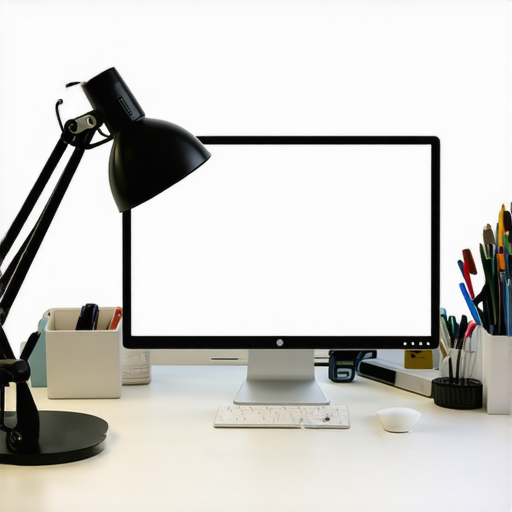
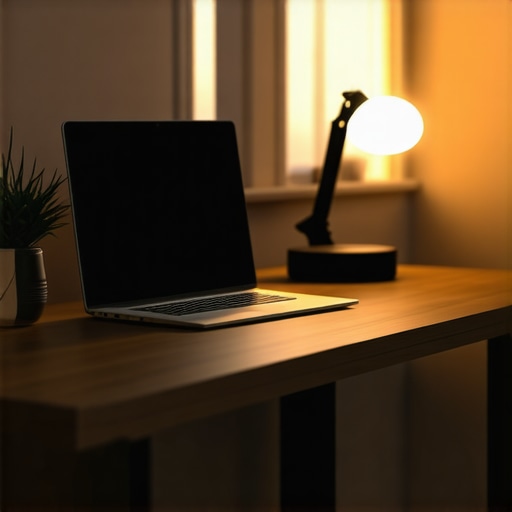
Ever spent hours working late into the night, only to realize your eyes are straining, and your workspace feels dull and uninspiring? That was me not too long ago. I remember the frustration of constantly adjusting my desk lamp, trying to find the right angle, only to be disappointed with the harsh glare or dim corners. One evening, after a particularly exhausting day, I had a lightbulb moment—literally. I discovered that the right lighting could change everything. Not just for productivity, but for mood, comfort, and even health.
Why Good Lighting Can Make or Break Your Workspace
Proper lighting isn’t just about seeing; it’s about creating an environment that supports focus and well-being. In 2025, with more of us working from home or in hybrid setups, the importance of tailored lighting solutions becomes even clearer. A well-chosen LED lamp or bias lighting can reduce eye strain, boost your mood, and make your workspace feel inviting rather than oppressive.
According to recent studies, poor lighting can decrease productivity by up to 20%. That’s a huge hit, especially when you’re trying to meet deadlines or stay creative. And yet, many of us still settle for generic desk lamps that don’t quite fit our needs. I had my share of mistakes early on—buying cheap, flickering LEDs or ignoring the color temperature, which made my workspace feel dull or overly harsh. Trust me, I learned the hard way that investing a little more in quality lighting pays off in comfort and efficiency.
Have You Faced This Lighting Dilemma?
If you’ve ever wondered whether your workspace lighting is good enough, you’re not alone. It’s easy to overlook how much lighting impacts your day-to-day work and overall mood. But the good news is, there are simple, effective ways to upgrade your setup without breaking the bank. From modern LED lamps to bias lighting ideas, I’ll guide you through the best options for 2025, backed by expert tips and my personal experience.
Curious to learn how to choose the perfect lighting for your needs? Check out my comprehensive guide on how to pick the right desk lamp in 2025. Ready to transform your workspace? Let’s dive into the practical steps that will help you create a well-lit, energizing environment that fuels productivity and comfort.
Choosing the Right LED Lamp for Your Desk
Start by assessing your workspace size and tasks. For detailed work like design or writing, opt for an adjustable LED lamp with a high Color Rendering Index (CRI) to ensure colors appear natural. Look for models with multiple brightness levels and color temperature settings—these allow you to customize lighting for different times of day or tasks. I once bought a cheap LED lamp that flickered constantly, which caused eye strain. After switching to a high-quality model recommended on this guide, my comfort improved dramatically.
Focus on Color Temperature
Choose a lamp with adjustable color temperature, from warm white (~2700K) to cool white (~6500K). Warmer tones create a cozy atmosphere, while cooler tones boost alertness. I set my lamp to around 4000K during work hours, which strikes a balance between comfort and focus. Think of it as tuning your workspace’s mood—like adjusting a light’s tone to match your activity.
Implementing Bias Lighting to Reduce Eye Strain
Bias lighting involves placing a soft, diffused light behind your monitor or workspace to reduce contrast and prevent eye fatigue. It’s like having a gentle glow that frames your screen, making it easier to focus. I used to work in a room with harsh overhead lighting, which caused headaches after long sessions. After adding a bias light recommended on this resource, my eyes felt less strained, and my focus improved.
Choosing the Perfect Bias Light
Look for LED strips or panels with adjustable brightness and color temperature. Position the light strip behind your monitor with a bias lighting kit, aiming for a soft, even glow. For example, I installed a flexible LED strip with remote control, allowing me to fine-tune the ambiance. Remember, the goal is to eliminate glare and contrast without creating additional distractions.
Optimizing Your Setup with Ring Lights and Desk Lamps
For video calls or content creation, ring lights combined with desk lamps can elevate your workspace. A ring light provides uniform, shadow-free illumination, while a supplementary desk lamp adds task lighting. I experimented with a ring light from this collection, pairing it with a directional desk lamp. The result was bright, professional-looking videos and clear work visuals, boosting my confidence during meetings.
Positioning Tips
Place the ring light directly in front of your face, at eye level, for even illumination. Use the desk lamp to highlight detailed work areas. Adjust both to minimize shadows and glare, creating a balanced lighting environment that adapts to your needs throughout the day.
Regularly Evaluate and Adjust Your Lighting
Your needs change with the seasons, time of day, and tasks. Make it a habit to review your setup weekly. For example, I noticed my eyes felt tired in the late afternoon, so I increased my bias lighting brightness and switched my desk lamp to a cooler tone. Small adjustments like these keep your workspace comfortable and boost productivity, as suggested in this article.
Many of us operate under assumptions about workspace lighting that can hinder our comfort and productivity. Let’s dig deeper into some misconceptions and advanced pitfalls that even seasoned enthusiasts often overlook. Recognizing these nuances is crucial for creating an optimal environment.
Why Most People Overlook the Impact of Light Flicker on Eye Health
It’s a common belief that all LED lights are equally flicker-free, but the reality is more complex. Low-quality LEDs often flicker at frequencies imperceptible to the naked eye but can cause significant eye strain, headaches, and fatigue over time. Experts like Dr. David McGuffin highlight that flickering can be a hidden culprit behind long-term visual discomfort, especially in prolonged work sessions. When choosing your lighting, prioritize models with high-frequency drivers or flicker-free certification. This nuanced detail often gets lost in the rush to buy affordable options, but it’s vital for your health.
The Danger of Over-Illuminating Your Workspace
It’s tempting to flood your workspace with bright lights, thinking more brightness equals better productivity. However, excessive lighting can lead to glare, causing discomfort and reducing visibility. This mistake is particularly common among those who rely solely on lumen counts without considering contrast and glare management. A well-balanced setup incorporates layered lighting—combining task, ambient, and accent lights—to avoid overwhelming the eyes and to create a comfortable visual hierarchy. According to a study published in the Journal of Environmental Psychology, environments with balanced lighting significantly enhance concentration and reduce fatigue.
How Color Temperature Can Be Counterproductive if Misused
Many believe that cool white (above 5000K) is always best for focus, but this isn’t universally true. When misapplied, high color temperatures can create an uninviting, sterile atmosphere that hampers relaxation and can even disrupt circadian rhythms if used late in the day. Conversely, warm white (around 2700-3000K) might seem cozy but can reduce alertness during high-concentration tasks. The key is dynamic adjustment—using tunable LED lamps that shift temperature based on the activity. This versatility is often overlooked, leading to suboptimal lighting conditions that affect both mood and performance.
Is It Better to Rely on Natural Light Only?
While natural light is ideal, relying solely on it can be a trap. Sunlight varies throughout the day and can cause glare or uneven lighting, especially in rooms with small windows. Moreover, in winter or in offices with limited windows, natural light may be insufficient. Strategic use of well-placed artificial lighting—like bias lights or adjustable LED desk lamps—complements natural light, ensuring consistent illumination. Integrating these layers prevents the common mistake of neglecting artificial lighting, which can leave your workspace dim or overly harsh at times. For more advanced tips on balancing natural and artificial light, check out my guide on modern LED solutions.
Have you ever fallen into this trap? Let me know in the comments. Mastering these subtle aspects of lighting will elevate your workspace from basic to professional-grade, supporting health, focus, and overall well-being.
Keeping your workspace lighting in top shape requires more than just choosing the right fixtures; it involves regular maintenance, using the right tools, and staying ahead of evolving technology. Over time, dust and debris can accumulate on your LED lamps and bias lighting, reducing their efficiency and lifespan. To ensure consistent performance, I personally recommend using a microfiber cloth combined with a gentle, non-abrasive cleaner to wipe down your fixtures weekly. This simple routine prevents dust buildup that can dim light output and cause flickering, which experts warn can lead to eye strain (see this resource for more insights).
Investing in accurate measurement tools also pays dividends. A lux meter, for instance, helps me regularly check the brightness levels of my workspace. I keep my lighting setup calibrated to around 300-500 lux at desk level, adjusting brightness or repositioning fixtures as needed. This practice ensures optimal lighting conditions, preventing glare or insufficient illumination. For those serious about precision, digital color meters can verify the color temperature consistency across your fixtures, ensuring your warm or cool tones stay uniform over time.
When it comes to software, I rely on smart lighting controls integrated with my home automation system. These apps allow me to schedule lighting adjustments based on the time of day or task, preserving energy and enhancing comfort. For example, I set warmer tones in the evening to support relaxation, which helps regulate my circadian rhythm—a crucial factor in long-term health. As technology advances, expect more AI-driven lighting systems that adapt dynamically to your habits, improving efficiency and user experience.
How do I maintain my workspace lighting over time? Regular cleaning, calibration with measurement tools, and utilizing smart control apps are my go-to strategies. Additionally, I stay informed about new innovations by following trusted sources like this guide. This proactive approach helps me identify emerging trends, such as flicker-free LED drivers and tunable fixtures, which are set to become standard by 2025.
Don’t forget to periodically review your setup—what worked last year may need tweaking now. For instance, upgrading to newer LED models with improved efficiency or adding bias lighting can make a noticeable difference. I highly recommend trying out adjustable LED fixtures that support both dimming and color temperature adjustments. Not only do they enhance your comfort, but they also extend the lifespan of your equipment, saving you money in the long run. For detailed product suggestions, see this article.
Staying diligent with maintenance and leveraging the latest tools ensures your workspace remains a productive, healthy environment. Embrace these practices today, and you’ll enjoy better focus, less eye strain, and a more inspiring workspace for years to come.
The Hardest Lesson I Learned About Workspace Lighting
One of the most surprising realizations I had was how much subtle lighting adjustments can dramatically impact my focus and comfort. I used to think that brighter was better, but I soon discovered that too much glare or improper color temperature could actually hinder productivity. The light flicker from cheap LEDs was a hidden culprit behind my frequent headaches, teaching me to prioritize flicker-free, high-quality fixtures.
3 Myths About Workspace Lighting That Held Me Back
I believed that natural light alone was sufficient for my setup, but I overlooked the importance of layering artificial lighting to maintain consistency and reduce eye strain. I also assumed that all LED bulbs offered the same performance—until I learned that flicker-free certifications and high CRI ratings are essential for health and accuracy. Busting these myths was a game-changer for my workspace environment.
What Experts Won’t Tell You About Customizing Your Lighting
While many focus on the type of fixtures, the real secret is in dynamic adjustment. Using tunable LED lamps with adjustable color temperature and brightness allows me to create an environment that adapts to my needs throughout the day. Integrating smart controls has taken this even further, enabling scheduled lighting changes that support circadian rhythms and improve overall well-being.
My Essential Toolkit for Better Workspace Lighting
To optimize my setup, I rely on a few trusted tools: a lux meter to measure brightness levels, a digital color meter for consistent color temperature, and a microfiber cloth for maintenance. I also use smart lighting apps that sync with my schedule, ensuring the right light at the right time. These tools help me maintain a healthy, productive environment and avoid the pitfalls of outdated or poorly calibrated lighting.
Your Turn to Try
Creating the perfect workspace lighting isn’t just about buying new fixtures; it’s about understanding your needs and making strategic adjustments. With the right knowledge and tools, you can transform your environment into a haven for focus, comfort, and health. Are you ready to implement these insights and elevate your workspace in 2025?
Reading through this post resonated with my experience of working long hours in a home office. I used to overlook the importance of proper lighting until I started noticing frequent headaches and fatigue. Since upgrading to a flicker-free, adjustable LED desk lamp with a high CRI, I’ve felt a significant difference in comfort and productivity. I especially appreciate the tip about bias lighting behind the monitor — I added a simple, dimmable LED strip, and it’s made long screen time much less exhausting for my eyes. One challenge I faced was figuring out how to balance natural and artificial light, particularly around sunset when the light varies a lot. I found that using smart lighting controls that schedule warm tones for evenings helps me wind down without straining my eyes. Have others incorporated automation or smart controls into their workspace lighting? I’d love to hear how you’ve found ways to optimize your setup for comfort and efficiency.
This post brings up some excellent points about the importance of layered lighting and adjustable fixtures. I’ve personally struggled with eye fatigue from poor lighting setups, especially when working late into the night. I recently upgraded to a flicker-free LED desk lamp with a high CRI and adjustable color temperature, which has made a noticeable difference. I also added bias lighting behind my monitor, which significantly reduces the contrast strain on my eyes, especially during long hours. What I found interesting is how dynamic lighting adjustments, like changing between warm and cool tones, can actually help with focus and relaxation depending on the time of day. I have been experimenting with smart lighting controls to automate these changes, particularly in the evening, to promote better sleep hygiene. Has anyone else tried integrating smart lighting schedules? How has that impacted your productivity and overall comfort? I believe that combining quality fixtures with technology can truly transform a workspace, making it healthier and more efficient.
This post really hits home for me because I’ve recently started paying closer attention to the lighting in my home office. I used to think that just having a bright enough lamp was sufficient, but I quickly found that harsh or flickering lights actually contributed to eye strain and fatigue. Since upgrading to a flicker-free, high-CRI LED lamp with adjustable color temperature, my productivity has improved and those nagging headaches are much less frequent. I especially appreciate the emphasis on bias lighting behind the monitor — I added a dimmable LED strip, and it’s made a noticeable difference in how comfortable my long work sessions feel. Does anyone have recommendations for smart lighting systems that can automatically adapt to the time of day or task? I’m curious about integrating automation to make my workspace even more ergonomic and energy-efficient. Thanks for sharing these practical tips—definitely a game-changer in creating a more inviting and healthy workspace!
This article really resonated with me, especially the part about adjusting color temperature throughout the day. I’ve recently started using a tunable LED desk lamp, and the difference it makes in my focus and overall mood is noticeable. I’ve found that warmer tones in the evening help me wind down, while cooler hues boost alertness during busy work hours. I also added bias lighting behind my monitor, which has significantly reduced eye strain. One challenge I still face is balancing natural daylight with artificial lighting, especially during cloudy days. I’m curious, how do others here manage these transitions effectively? Do you find smart lighting systems truly helpful, or do manual adjustments work better for you? I’d love to hear different approaches or recommendations to optimize workspace lighting even further.