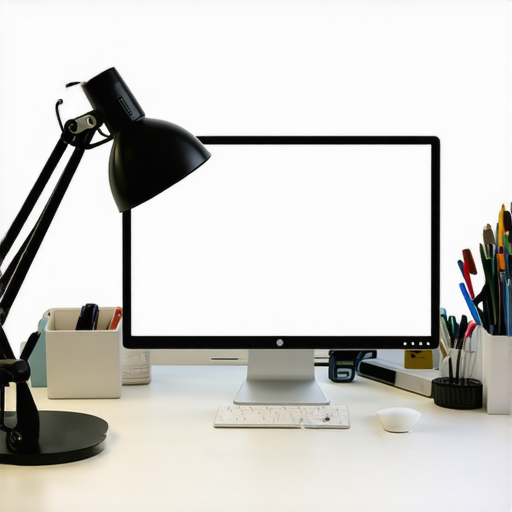
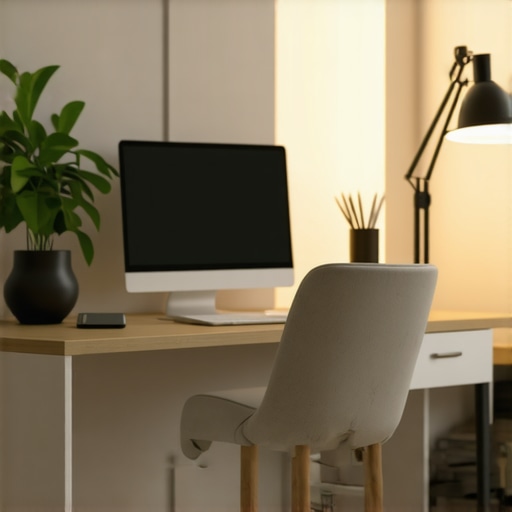
My Journey to a Perfect Home Office Lighting Setup
Last year, I realized that my home office lacked the right lighting to boost my productivity and create a cozy, inspiring environment. After some trial and error, I discovered that incorporating bias lighting and a quality ring light made a huge difference. It’s like turning a dull room into a vibrant workspace where I actually look forward to working each day.
Why Bias Lighting and Ring Lights Are Game-Changers
When I started exploring different lighting options, I quickly learned from sources like the ultimate guide to bias lighting that these lighting solutions not only improve workspace ambiance but also reduce eye strain. Bias lighting behind my monitor creates a subtle glow that enhances contrast and visual comfort, especially during long work sessions. Meanwhile, a good ring light ensures that I look professional during video meetings, which is essential given the rise of remote work.
My Favorite Bias Lighting & Ring Light Ideas for 2024
One of my favorite setups involves adjustable LED strips behind my monitor, which I can control via my smartphone. This allows me to switch from cool to warm tones depending on the time of day or my mood. For my ring light, I opted for a model that offers adjustable brightness and color temperature, giving me flexibility for different tasks, from video calls to creative work. I’ve also integrated some best desk lamp and ring light combos to maximize space and functionality.
How Do I Choose the Right Lighting for My Workspace?
Deciding on the perfect lighting setup can feel overwhelming, but I found that asking myself key questions helps. For example, what’s the primary purpose of my workspace? Do I need task lighting or ambient lighting? I also considered the size of my room and the natural light available. According to experts, combining multiple layers of lighting—ambient, task, and accent—creates a balanced environment. If you’re curious about the best options, check out how to choose the perfect desk lamp.
What are some common mistakes to avoid when setting up workspace lighting?
Great question! One mistake I made early on was relying solely on overhead lighting, which caused glare and shadows. Instead, layering different light sources is key. Also, I learned to avoid overly bright lights that can cause discomfort or headaches. Using dimmable options gives me control over my environment, making my workspace more adaptable and comfortable.
If you’re thinking about upgrading your home office lighting, I encourage you to experiment with different bias lighting and ring light setups. It’s fascinating how small changes can significantly impact your mood and productivity. Feel free to share your experiences or ask questions in the comments below—I love exchanging ideas!
How Can Layered Lighting Improve Your Home Office Environment?
Implementing layered lighting strategies—combining ambient, task, and accent lighting—can dramatically enhance your workspace’s functionality and ambiance. For instance, ambient lighting provides overall illumination, while task lighting focuses on specific areas like your desk, and accent lighting adds a touch of personality to your setup. According to the ultimate guide to LED lamps and bias lighting, this multi-layered approach not only improves visual comfort but also reduces eye strain during long work hours. By strategically placing LED strips behind monitors or under shelves, you can create a balanced light environment that minimizes glare and shadows, fostering greater productivity and comfort.
What are the nuances of choosing the right color temperature for bias lighting?
Color temperature plays a pivotal role in shaping your workspace atmosphere. Cooler temperatures (around 5000K-6500K) mimic daylight and are ideal for tasks requiring focus and alertness. Conversely, warmer tones (around 2700K-3500K) promote relaxation and can help reduce stress during late hours. An expert tip is to adjust your bias lighting to match the time of day or the nature of your task, ensuring optimal visual comfort. Some advanced LED strips and smart lighting solutions allow seamless switching between color temperatures, enhancing flexibility. If you’re interested in exploring how to fine-tune your workspace lighting, check out how to choose the perfect desk lamp for your workspace.
How Do You Balance Brightness and Glare to Protect Your Eyes?
Striking the right balance between brightness and glare is essential for maintaining eye health and work efficiency. Overly bright lights can cause headaches, while insufficient lighting leads to eye strain. To mitigate this, position your ring light or LED bias lighting at an angle that minimizes direct glare. Dimmable options are invaluable—they allow you to adapt lighting levels based on natural light conditions and task requirements. Additionally, diffusers or softboxes can soften harsh light, creating an even, glare-free environment. For a comprehensive understanding of achieving optimal workspace illumination, consider reviewing the ultimate guide to ring light and desk lamps. Properly balancing light levels reduces fatigue and enhances focus, especially during extended computer sessions.
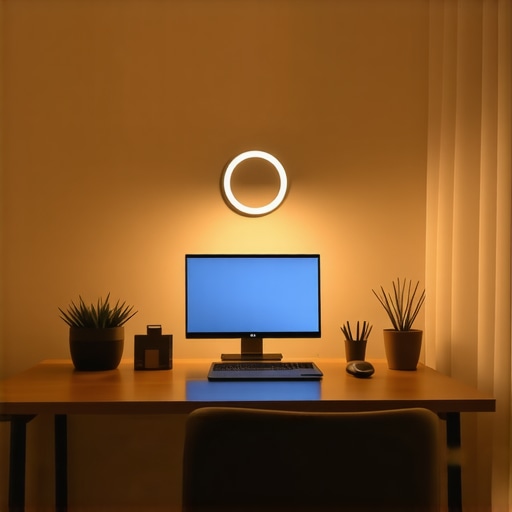
Image showing an ergonomic home office setup with layered lighting, including a ring light, LED strips, and desk lamp, illustrating optimal light distribution.
Are there innovative lighting solutions that combine functionality and aesthetics for 2024?
Absolutely. The latest innovations include smart, color-adjustable LED fixtures that sync with your device, providing dynamic lighting tailored to your activities. For example, some models integrate circadian rhythm lighting, which mimics natural daylight patterns to boost alertness or promote relaxation. Additionally, modular lighting systems enable customization of color zones and intensities, seamlessly blending aesthetics with practical needs. These solutions are especially appealing to remote workers seeking a professional yet cozy environment. To explore modern lighting ideas that elevate your workspace, I recommend reading the best desk lamp and ring light combos for 2024. Incorporating such innovations not only improves functionality but also reflects personal style, making your workspace uniquely yours.
If you’re eager to refine your workspace further, consider sharing your experiences or questions in the comments below. It’s always inspiring to exchange ideas and discover new solutions tailored to your needs!
Beyond Basics: Embracing the Nuances of Workspace Lighting for a Truly Personalized Environment
As I delved deeper into optimizing my home office lighting, I realized that understanding the subtleties—like the psychological impact of color temperatures and the importance of glare mitigation—transformed my workspace from merely functional to genuinely inspiring. This journey has taught me that effective lighting isn’t just about brightness but about creating an environment that aligns with my mental state and task demands.
How Can Advanced Bias Lighting and Smart Controls Revolutionize Your Workspace?
Integrating smart lighting controls with bias lighting has opened a new realm of possibilities. Imagine adjusting your workspace lighting seamlessly with voice commands or automation based on the time of day or your workload. According to the latest LED lamp innovations, these smart solutions can sync with circadian rhythms, helping to boost alertness in the morning and promote relaxation at night. This dynamic adaptability not only enhances comfort but also supports your natural biological cycles, making your workspace more attuned to your well-being.
Refining Your Eye Comfort: The Art of Balancing Light Levels and Reducing Fatigue
One of the most overlooked aspects is the delicate balance between sufficient illumination and avoiding glare. Over time, I experimented with diffusers and indirect lighting setups, which significantly reduced eye strain. The ability to dim or brighten lights instantly allows me to respond to natural light changes or different tasks. For example, during late-night creative sessions, softer, warmer lighting helps maintain focus without causing discomfort. For those interested in mastering this balance, exploring comprehensive guides on workspace lighting can be invaluable.
What Are the Psychological Impacts of Different Lighting Color Temperatures and How Do They Influence Productivity?
Color temperature doesn’t just affect aesthetics; it influences mood and performance. Cooler light (around 5000K-6500K) can enhance concentration and energize, making it ideal for focused work. Warmer light (around 2700K-3500K) fosters relaxation, perfect for brainstorming or winding down. Personally, I’ve found that adjusting my bias lighting throughout the day—using programmable LED strips—helps me transition smoothly between states of focus and relaxation. This nuanced control over lighting environments aligns with research indicating that well-designed lighting can improve cognitive function and reduce stress. For more insights, check out this in-depth guide to bias lighting and ambiance.
Innovative Aesthetic-Functionality Hybrids: The Future of Workspace Lighting in 2024
Looking ahead, I am excited about the emergence of modular and aesthetic lighting systems that don’t compromise on style or function. Think customizable, color-changing fixtures that can be tailored to your personality or mood, seamlessly integrated into your workspace design. Some models now incorporate circadian rhythm technology, adjusting their output to mimic natural daylight patterns, which can elevate your overall well-being. These innovations exemplify how technology is enabling us to craft environments that are not only efficient but also emotionally and psychologically nurturing. For a curated selection of these futuristic solutions, I recommend exploring the top desk lamp and ring light ideas for 2024.
As I continue to experiment with these advanced lighting strategies, I invite you to share your experiences or ask questions. How have you personalized your workspace lighting? What innovations have transformed your daily routine? Engaging in this conversation helps us all discover new ways to make our home offices more productive and enjoyable.
Harnessing the Power of Circadian-Inspired Lighting for Peak Productivity
One of the most transformative aspects of modern workspace lighting is the integration of circadian rhythm technology into LED systems. These innovative fixtures dynamically adjust their color temperature and brightness throughout the day, aligning with our biological clocks to optimize alertness and relaxation. In my experience, adopting circadian-compatible lighting has reduced fatigue and enhanced focus during critical work hours. According to a study published in the Journal of Biological Rhythms, such lighting interventions can significantly improve cognitive performance and sleep quality, underscoring their importance in high-performance work environments.
What Are the Nuances of Smart Bias Lighting Integration for Seamless Workflow?
Advanced bias lighting systems now offer seamless integration with smart home ecosystems, allowing for intuitive control via voice commands or automation routines. For example, I’ve configured my LED strips to adjust automatically based on the time of day or specific tasks—brightening for detailed work and dimming during meetings to reduce glare. This level of automation requires careful calibration to avoid over-illumination or unwanted flicker, which can cause discomfort. For those interested in exploring this territory, I recommend checking out the latest LED innovations that facilitate such integrations. The key is selecting fixtures with robust API support and compatibility with popular smart home platforms, ensuring your workspace remains both aesthetically pleasing and functionally superior.
How Do You Balance Aesthetic Appeal with Functional Precision in High-End Workspace Lighting?
Striking the perfect balance between form and function is an art, especially when designing a workspace that must cater to both visual comfort and aesthetic harmony. I’ve experimented with modular lighting systems that allow for customizable zones, combining sleek fixtures with adjustable color temperatures. Incorporating indirect lighting, such as concealed LED strips, creates a soft ambient glow that complements task lighting without overwhelming the senses. Additionally, choosing fixtures with minimal visual clutter enhances the overall aesthetic, making the environment more inviting. For inspiration and practical guidance, explore top design ideas for 2024 that blend aesthetics with high functionality.
Can AI-Driven Lighting Personalization Revolutionize Your Daily Workflow?
Absolutely. The advent of AI-driven lighting solutions offers unprecedented levels of personalization. These systems analyze your usage patterns, natural light conditions, and even mood cues to adjust lighting parameters in real time. For instance, AI algorithms can learn when you typically switch tasks or require heightened focus, proactively adapting lighting to support those states. I’ve integrated such systems into my workspace, and the difference is remarkable—productivity spikes during critical tasks and a more relaxed ambiance during breaks. To delve deeper into these innovations, I suggest examining the most advanced desk lighting solutions for 2024. As these technologies evolve, they promise to redefine personalized workspace ergonomics, making them a must-have for forward-thinking professionals.
How Can You Optimize Your Lighting Environment for Long-Term Eye Health?
Eye health is often overlooked in workspace design, yet it is fundamental to sustained productivity and comfort. Beyond selecting flicker-free, flicker-free fixtures and adjustable brightness, I’ve found that implementing layered lighting with proper diffusers significantly reduces glare and harsh shadows. Dimming controls enable continuous adjustment to match natural light variations, preventing strain during prolonged screen time. Furthermore, I employ soft, warm bias lighting behind my monitor, which minimizes contrast and reduces eye fatigue. For comprehensive strategies on maintaining visual health, I recommend reviewing this detailed guide on bias lighting. Remember, a well-lit environment not only boosts productivity but also safeguards your visual well-being over the years.
As I continue exploring these advanced lighting solutions, I invite you to share your experiences or ask questions. How have you personalized your workspace to support your health and productivity? Your insights can inspire others to elevate their environments to new levels of sophistication and comfort.
Things I Wish I Knew Earlier (or You Might Find Surprising)
Mastering Layered Lighting
One thing I learned the hard way is the importance of layering different types of lighting. Relying solely on overhead lights created glare and shadows, which made my workspace uncomfortable. Now, combining ambient, task, and accent lighting has transformed my environment into a cozy yet functional space, boosting my productivity and mood.
The Power of Color Temperature
Adjusting the color temperature of my bias lighting was a game-changer. Cooler tones helped me stay alert during intense work sessions, while warmer hues created a relaxing atmosphere when I needed to unwind. It’s incredible how a simple change in light warmth can influence your focus and relaxation levels.
Smart Lighting is Worth the Investment
Initially, I was skeptical about smart lighting systems, but integrating smart controls with my LED strips made a noticeable difference. Voice commands and automation routines allowed me to tailor lighting to my daily rhythm effortlessly, making my workspace more adaptable and enjoyable.
Eye Comfort Should Be a Priority
Using diffusers, softboxes, and dimmable lights has significantly reduced eye strain. I realized that balancing brightness and glare isn’t just about aesthetics but essential for long-term eye health. Properly positioned lighting not only improves work efficiency but also protects your vision.
Innovative Solutions Are Emerging Fast
The latest innovations, like circadian rhythm lighting and modular fixtures, make it exciting to upgrade your workspace. These solutions blend style and functionality seamlessly, allowing for a personalized environment that supports your well-being and productivity.
Resources I’ve Come to Trust Over Time
- Lighting.TechDeskEssentials.com: This comprehensive site offers expert guides and the latest innovations in workspace lighting. I’ve found their articles on bias lighting and LED solutions particularly insightful.
- PubMed: For understanding the health impacts of lighting, PubMed’s research articles on circadian rhythms and eye health are invaluable. I recommend exploring their studies to deepen your understanding.
- HomeLightingDesign.com: A fantastic resource for aesthetic ideas and practical tips on blending form and function in workspace lighting. Their visual guides inspired me to experiment with different fixtures.
Parting Thoughts from My Perspective
Optimizing your home office lighting is an ongoing journey, but the benefits are undeniable. From enhancing focus with the right color temperature to safeguarding your eye health through balanced brightness, smart lighting transforms your workspace into a sanctuary of productivity and comfort. Remember, small adjustments can have a big impact—so don’t hesitate to experiment and find what works best for you. If this resonated with you, I’d love to hear your thoughts or experiences. Feel free to share in the comments or reach out through the contact link. Together, we can create workspaces that inspire and support us every day.