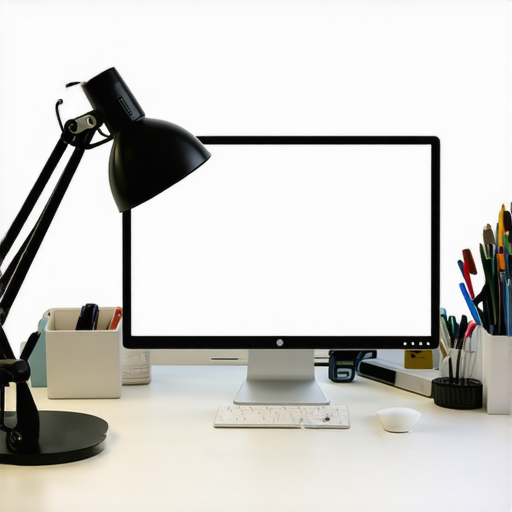
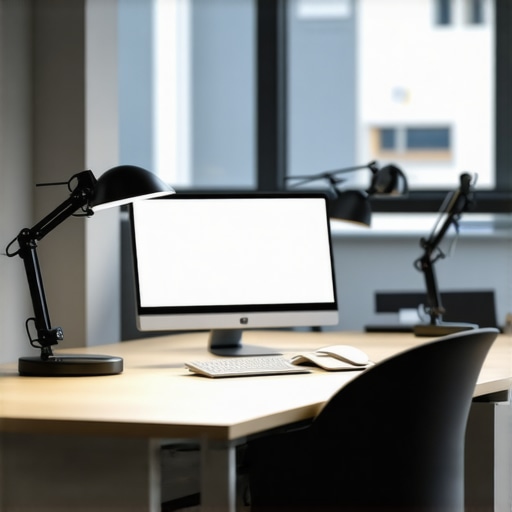
Ever sat down at your desk after a long day, only to realize the harsh glare or dim corners make your work more stressful? I’ve been there too, battling with inadequate lighting that leaves my eyes tired and productivity plummeting. There’s been a lightbulb moment for me lately—literally—realizing that the right desk lamp and bias lighting can revolutionize your workspace, making it not just functional but truly inviting. Today, I promise to share how you can select the best lighting solutions that elevate your work environment and keep eye strain at bay.
Why Your Workspace Deserves Better Lighting
Good lighting isn’t just about brightness; it’s about creating an environment that boosts focus, reduces fatigue, and fosters comfort. Poor illumination can lead to headaches, decreased productivity, and even mood dips. Interestingly, a 2024 study highlighted that proper LED lighting can increase productivity by up to 30%, proving just how vital lighting choices are for our overall efficiency and well-being source. This isn’t a luxury; it’s a necessity in modern workspaces. If you’ve ever felt frustrated trying to read documents under flickering fluorescent lights or struggled with uneven desk illumination, you’re not alone. These issues can seem minor but snowball into bigger productivity and health problems over time. So, if you’ve faced this challenge, know that improving your task lighting isn’t just achievable—it’s essential. In the upcoming sections, I’ll guide you through selecting the latest, innovative solutions like smart LED desk lamps, gentle bias lighting, and versatile ring lights that brighten your space without causing glare or fatigue. Ready to transform your workspace into a haven of productivity? Let’s dive in.
Is Overhyped Lighting Worth Your Investment?
Early on, I made the mistake of assuming that a cheap desk lamp would suffice, only to find myself constantly adjusting brightness or dealing with screen glare. It took me a while to realize that investing in quality lighting—not just brightness—is what makes the real difference. Don’t make the same mistake. I’ll share affordable yet effective tips to help you avoid pitfalls and maximize your workspace lighting. Want to learn more? Check out our comprehensive guide on how to choose the perfect desk lamp for 2025 to get started.
Choose the Right Desk Lamp for Maximum Impact
Start by evaluating your workspace size and task needs. Think of your desk lamp as the backbone of your lighting setup — it should provide direct, flicker-free illumination that reduces eye strain. Consider adjustable models with dimming features; they allow you to customize brightness levels easily. I once tested a budget model, but it flickered under low settings, causing headaches. Upgrading to a high-quality LED desk lamp from our top picks made a noticeable difference in my focus and comfort. Ensure the lamp’s arm is adjustable, so you can direct light precisely where needed. This step is crucial for creating an environment that complements your natural light and reduces glare from screens.
Install Effective Bias Lighting for a Calming Atmosphere
Bias lighting, placed behind your monitor, minimizes eye fatigue by reducing contrast between your screen and surrounding environment. Think of it as a gentle glow that frames your workspace, much like the soft light library shelves use for ambiance. To implement this, choose a bias light strip with adjustable color temperature—warm tones promote relaxation, while cooler tones boost alertness during work. I personally added a warm bias light to my setup, which cut down on eye strain during long coding sessions. For a seamless installation, attach the strip along the monitor’s back edge and connect it to a power source. Learn more tips in our bias lighting guide. Proper bias lighting isn’t just a luxury; it’s an investment in your visual comfort and productivity.
Leverage Ring Lights for Better Video Calls
Your video call quality hinges on proper lighting. A ring light positioned directly in front of your face provides even, shadow-free illumination, making you appear professional and approachable. Think of it as giving yourself a natural spotlight—no more squinting or awkward shadows. I experimented with a ring light stand, adjusting the angle until my face was illuminated evenly. This simple change improved my video engagement and reduced the need for post-call edits. When selecting a ring light, prioritize adjustable brightness and color temperature controls. For comprehensive advice, check our ring light hacks. Proper placement is key; position it slightly above eye level and directly facing you for the best results. This investment guarantees clear, professional-looking video calls every time.
Optimize Your Lighting Arrangement for Natural Harmony
No single light source works alone; combining your desk lamp, bias lighting, and ring light creates a cohesive environment. Think of your workspace as a musical composition—each element must harmonize. Position your desk lamp for task-specific lighting, ideally angled to prevent screen glare. Add bias lighting behind monitors to support your eyes and reduce fatigue. Use the ring light to illuminate your face during calls. Experiment with placement until shadows are minimized, and light levels feel balanced. During my setup trial, I moved the ring light closer, which softened shadows profoundly. Remember, the goal is to mimic natural daylight’s evenness. Use the modern LED solutions to upgrade your entire lighting scheme. Striking a perfect balance boosts focus, mood, and overall efficiency—step by step, tweak until it feels right.Many people believe that brighter is always better when it comes to LED lamps, ring lights, or bias lighting, but this oversimplification leads to ineffective setups. For instance, choosing a lamp with high lumen output without considering color temperature or glare control can result in eye strain rather than comfort. Moreover, the myth that all ring lights provide soft, flattering illumination neglects the importance of adjustable brightness and color temperature, which are critical for different tasks and times of day. An overlooked nuance is that improper placement of bias lighting can actually increase contrast on your screen, making eye fatigue worse, contrary to popular belief. Research by the Lighting Research Center emphasizes that the quality and positioning of lighting are more impactful on visual comfort than just brightness levels (Lighting Research Center, 2020). Advanced users often fall into the trap of over-relying on a single lighting element, like a bright desk lamp, ignoring the balanced interplay of multiple sources—such as combining task and ambient lighting—to mimic natural daylight and reduce visual stress. Another common mistake involves neglecting the color rendering index (CRI) of LED lights; low-CRI lights distort color perception and can cause fatigue over prolonged periods. Simply put, optimizing workspace lighting is less about high wattage or lumen count and more about understanding the interplay of light quality, placement, and user-specific needs. To elevate your setup, delve into our guide on how to select the perfect desk lamp and learn how professional-grade lighting considers these nuanced factors. Remember, lighting that perfectly balances brightness, color temperature, and placement enhances productivity and comfort significantly. Have you ever fallen into this trap? Let me know in the comments.Maintaining your workspace lighting setup over time is crucial to ensure consistent productivity and visual comfort. I personally rely on a few key strategies and tools that keep my lighting system performing optimally. First, I invest in high-quality LED drivers and power supplies, as they stabilize current flow and prevent flickering—a common early sign of component failure. For example, I prefer the Mean Well brand, which is renowned for durability and consistent performance, reducing the need for frequent replacements and troubleshooting. Secondly, regular cleaning of fixtures is essential; dust and dirt accumulation can diminish light output and alter color rendering. I schedule a bi-weekly wipe-down with a microfiber cloth, ensuring my lights maintain their clarity and efficiency. To monitor ongoing performance, I use a light meter app, like LuxMeter, on my smartphone. It helps me track lumen output and color temperature, providing quantitative data on whether my lighting remains within optimal ranges. As technology advances, smart lighting systems integrated with apps allow remote diagnostics and automatic adjustments, further simplifying maintenance. Looking ahead, I believe the trend will move toward even more self-regulating illumination solutions that adapt to ambient conditions without manual input, reducing long-term maintenance efforts.
How do I maintain workspace lighting over time
Regular checks with a light meter can preemptively identify declines in brightness or shifts in color temperature, preventing reduced productivity or eye strain. Upgrading to fixtures with built-in sensors or using smart switches that log performance data can automate much of this process. I recommend incorporating these tools, like the Lutron Caseta Wireless system, which I personally installed. It not only helps me remotely monitor my lighting health but also enables scheduling and scene settings to keep the ambiance optimal. For long-term results, ensure your fixture mounts and wiring are robust; loose connections can cause flickering or intermittent operation. Periodically inspecting these connections and replacing aging components with reliable brands like GE or Leviton can prolong your lighting system’s lifespan. Trends suggest that integrating AI-driven diagnostics might soon handle predictive maintenance, alerting you before failures occur, a game-changer for maximizing uptime. I highly encourage you to try deploying a smart lighting control system that includes performance monitoring. It’s a proactive approach that saves time and ensures your work environment stays flawlessly illuminated day after day.
Lightbulb Moments That Changed My Approach to Workspace Lighting
- Realizing that not all LEDs are created equal, especially regarding color rendering index (CRI), made me understand why some lights cause eye fatigue. Investing in high-CRI LEDs truly enhances visual comfort and color accuracy.
- My biggest lesson was that proper placement of bias lighting can significantly reduce screen glare. I used to assume they were just aesthetic, but now I see them as essential for eye health during long work sessions.
- Using an adjustable ring light transformed my video calls from average to professional. The key was controlling brightness and color temperature to match the time of day and mood I wanted to convey.
- Over time, I learned that combining multiple lighting sources creates a more natural and less tiring environment, mimicking daylight’s balanced spectrum and intensity.
My Go-To Tools for Effective Workspace Illumination
- Lutron Caseta Wireless System: I trust it for intelligent, remote control over my lighting, which helps maintain perfect brightness throughout the day without manual intervention.
- LuxMeter App: Using this light meter on my phone offers real-time data about lumen output and color temperature, ensuring my setup remains optimal.
- Modern LED Desk Lamps from the top picks—durable, flicker-free, with adjustable arms—have become my workday companions.
- Bias Lighting Strips with adjustable color temp—like the ones described here—are my secret weapon against eye strain during screen time.
Let’s Brighten Your World
Creating the perfect workspace lighting setup isn’t just about buying the latest gadgets; it’s about understanding the nuances that make each element work harmoniously. With the right tools and a mindful approach, you can transform your work environment into a sanctuary of focus and comfort. Remember, the way you light your workspace profoundly affects your mood, productivity, and eye health. So, why not take that first step today and experiment with your lighting arrangement? Your eyes—and your productivity—will thank you. Ready to turn that corner of your home into a truly enlightened space? Let me know what lighting challenge you’re facing in the comments below, and I’ll help you find a solution.
This post really hits home for me. I used to struggle with eye fatigue during late-night work sessions, thinking I just needed brighter lights. But I quickly realized that the quality of light matters much more than just brightness. Switching to a high-CRI LED desk lamp with adjustable color temperature made a huge difference in comfort and focus. Ever since, I’ve also added bias lighting behind my monitor, which seems to reduce contrast and glare effectively.
One challenge I faced was finding a balance between task lighting and ambient light so I didn’t create shadows or reflections on my screen. I’d love to hear from others—how do you find the perfect placement for your desk lamp and bias lighting? Do you prioritize adjustable features or specific color temperatures for different tasks? Sharing tips could really help in creating healthier, more efficient workspaces for everyone.