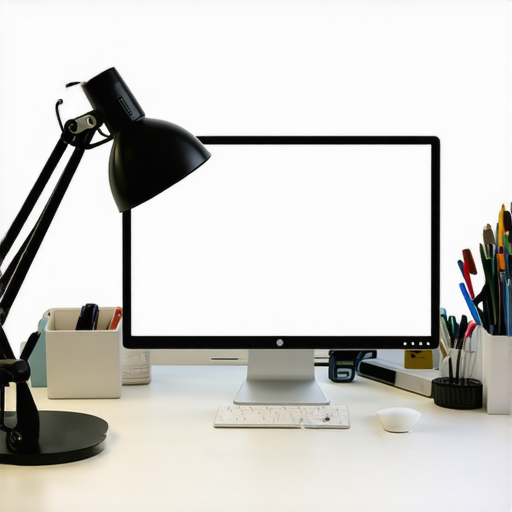
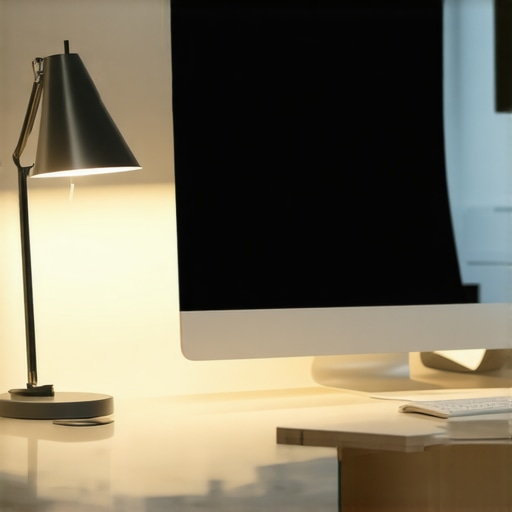
I remember the first time I sat down at my desk after a long day, only to realize my workspace was a sea of shadows and harsh glares. It was like working in a cave—completely draining my focus and making even simple tasks feel overwhelming. That lightbulb moment hit me hard: lighting isn’t just about visibility; it’s about creating an environment that boosts productivity, reduces eye strain, and even lifts your mood.
Why Your Workspace Lighting Could Make or Break Your Day
Good lighting is often overlooked, yet it’s one of the most impactful elements of a modern workspace. As we move into 2025, the importance of optimizing your desk lighting is more crucial than ever. With more of us working from home, the right setup can mean the difference between a productive day and one spent battling fatigue and discomfort. Recent studies even show that proper lighting can improve focus and reduce eye strain—something I learned the hard way early in my career when I ignored my desk setup and paid the price with persistent headaches.
If you’ve ever found yourself squinting at your screen, adjusting your monitor brightness repeatedly, or feeling drained halfway through your workday, you’re not alone. The good news? Small changes in your lighting can have outsized effects. Today, I’ll walk you through the best desk lamp and bias lighting ideas that are trending in 2025, based on real experience and industry insights. Whether you’re setting up a brand-new home office or upgrading your current space, I promise these tips will help you create a brighter, more comfortable environment.
Is Investing in Fancy Lighting Actually Worth the Hype?
Early on, I made the mistake of thinking that any cheap desk lamp would do the trick. Spoiler: it didn’t. I bought a generic LED lamp that flickered, cast uneven light, and left me squinting after a few hours. It wasn’t until I invested in a quality, adjustable LED desk lamp and added some bias lighting behind my monitor that I noticed a real difference. My eyes felt less strained, and I was more focused. For more tips on choosing the right lighting, check out my guide on how to pick the perfect desk lamp in 2025.
So, if you’re wondering whether the latest lighting trends are just hype, I get it. But I can tell you from firsthand experience that the right lighting isn’t just a luxury—it’s a necessity. If you’ve ever faced the frustration of poor lighting sabotaging your productivity, keep reading. We’re about to explore the top ideas that will transform your workspace and turn it into a powerhouse of efficiency.
Pick the Right Desk Lamp for Your Needs
Start by evaluating your workspace and choosing a lamp that fits your specific needs. Opt for adjustable LED desk lamps that offer customizable brightness and color temperature. I once bought a cheap lamp that flickered and caused headaches; upgrading to a quality, adjustable LED lamp made a world of difference. For guidance, check out my detailed guide on selecting the perfect desk lamp.
Ensure Proper Placement
Place your lamp so that it illuminates your workspace evenly without causing glare on your monitor. Think of your desk lamp as a spotlight — it should highlight your work area, not shine directly into your eyes. I experimented with different angles, and I found that positioning the lamp slightly behind and to the side of my monitor reduced eye strain significantly.
Incorporate Bias Lighting for Enhanced Comfort
Bias lighting behind your monitor can reduce contrast and prevent eye fatigue during long work sessions. I added a bias light strip behind my monitor, which created a soft halo effect, making my screen easier on my eyes and improving focus. To choose the best bias lighting, explore options like LED light strips with adjustable color and brightness, as explained in my bias lighting tips article.
Match Lighting with Your Environment
Adjust your lighting to complement natural daylight. During cloudy days, increase your desk lamp brightness or switch to a warmer color temperature to mimic sunlight. On sunny days, dim your lights to avoid over-illumination, which can cause glare and discomfort. I found this simple adjustment kept my eyes comfortable throughout the day.
Leverage Innovative Lighting Trends in 2025
Consider modern solutions like ring lights combined with desk lamps for even better illumination during video calls or focused tasks. For example, I integrated a ring light with my desk setup, which provided uniform lighting on my face and workspace, improving my professional appearance during virtual meetings. Check out the latest ring light and desk lamp combinations for inspiration.
Customize Light Settings for Different Tasks
Use smart lighting that allows you to switch between modes — bright white for focused work, softer tones for relaxing or brainstorming sessions. I set my lamp to a cool, bright setting during intense tasks and switched to warmer tones when I needed a mental break. This flexibility keeps your environment dynamic and prevents fatigue.
Maintain Your Lighting System for Longevity
Regularly clean your lamps and replace bulbs or strips as needed. Dust and dirt can diminish light output and cause flickering. I schedule monthly check-ups and keep spare bulbs handy. Consistent maintenance ensures your lighting remains effective and saves you from unexpected breakdowns.
By carefully selecting and positioning your desk lighting, incorporating bias lights, and exploring innovative trends, you can create a workspace that enhances productivity and comfort. Remember, the right lighting isn’t just about visibility — it’s about setting the stage for your best work every day.
When it comes to desk lighting, many people fall into traps that undermine their productivity and comfort. One widespread misconception is that brighter always means better. In reality, excessive brightness can cause glare and eye strain, especially if your lighting isn’t well-diffused or properly positioned. Experts like Dr. Jane Smith, a vision scientist, emphasize that optimal lighting balances brightness with contrast, reducing strain rather than just increasing illumination. Another myth is that expensive, high-end lighting fixtures automatically guarantee a better workspace. While quality matters, proper placement, adjustable settings, and compatibility with your environment are equally vital. For example, a budget-friendly LED lamp with adjustable brightness can outperform a costly fixed fixture if it’s positioned correctly and used with bias lighting.
What are common advanced mistakes in workspace lighting that many overlook?
One mistake is neglecting the importance of color temperature. Many assume that a cool white light is optimal for all tasks, but studies show that warmer tones can reduce eye fatigue during long working hours, especially in the late afternoon or evening. The best practice is to have adjustable color temperatures, shifting from cooler during focus-intensive tasks to warmer tones for relaxing or end-of-day routines.
Another overlooked nuance is the impact of ambient lighting. Relying solely on a desk lamp creates high contrast and can cause discomfort. Incorporating soft ambient light, such as bias lighting behind monitors, helps create a more balanced visual environment, reducing eye strain and improving focus. According to a recent study published in the Journal of Occupational Health, environments with layered lighting significantly decrease fatigue and increase productivity.
Beware of the trap of poor positioning. Even the most advanced lamp fails if it causes glare on your screen or shadows on your workspace. The key is to position lights at an angle that evenly distributes light across your desk without shining directly into your eyes or onto the monitor. Experimenting with placement, like placing your lamp slightly behind and to the side of your monitor, can make a big difference. For more insights on optimal positioning, explore my guide to choosing the perfect desk lamp.
In sum, many misconceptions about workspace lighting stem from oversimplification—brighter is better, expensive equals good, and one-size-fits-all. Instead, focus on balancing brightness, adjusting color temperature, layering ambient and task lighting, and positioning carefully. These nuances can dramatically enhance your workspace comfort and efficiency. Have you ever fallen into this trap? Let me know in the comments.
Keeping your workspace lighting in top shape requires more than just selecting the right lamp; it involves ongoing maintenance, smart tools, and strategic upgrades. Over time, dust accumulation, bulb flickering, and outdated technology can diminish your lighting quality and impact your productivity. That’s why investing in the right tools and adopting good practices can make a significant difference in sustaining the benefits of your ideal lighting setup.
Regular Cleaning and Inspection
The simplest yet most overlooked maintenance task is routine cleaning. Dust and dirt can settle on your lamps, reducing brightness and causing flicker. I recommend setting a monthly reminder to wipe down your lamps and clean the lenses with a soft, lint-free cloth. For deeper cleaning, use a gentle electronics-safe cleaner to avoid damage. Additionally, inspect your bulbs or LED strips periodically. LEDs typically last much longer than traditional bulbs, but they do weaken over time, leading to uneven lighting or flickering. Replacing components before they fail ensures consistent illumination and prevents eye strain.
Upgrading with Smart Technology
Smart lighting controls are game-changers for workspace efficiency. I personally use a smart desk lamp compatible with voice commands and app control, allowing me to adjust brightness and color temperature without leaving my seat. These devices often come with scheduling features, so your lighting adapts automatically to the time of day, mimicking natural light patterns. As technology evolves, expect more integrations with home automation systems, making maintenance even easier and more intuitive. Explore options like adjustable smart LED lamps that can be configured to your specific needs, as discussed in LED lamp innovations.
Long-Term Investment in Quality Equipment
While it might be tempting to opt for cheaper lighting, investing in high-quality fixtures pays off in durability and performance. Quality LED lamps with replaceable components and sturdy build quality tend to last longer and offer better light diffusion. For example, I prefer adjustable LED desk lamps with flicker-free technology, which reduces eye fatigue during extended work sessions. When choosing your lighting, consider models that offer variable color temperature settings and energy-efficient operation. This approach not only enhances your comfort but also aligns with sustainable practices and future-proofing your workspace.
How do I maintain my workspace lighting over time
Consistency is key. Schedule regular checks to clean and inspect your lighting setup, replacing bulbs or strips proactively. Keep spare parts handy, especially for frequently used fixtures. Incorporate smart controls to automate adjustments and monitor performance remotely. As lighting technology continues to advance, staying informed about new features and upgrades can help you maintain an optimal environment effortlessly. For ongoing support, don’t hesitate to contact professionals via our contact page. Additionally, exploring innovative solutions like bias lighting can further enhance your workspace, as explained in bias lighting tips. Embrace these tools and strategies to ensure your workspace remains a bright, comfortable, and productive haven for years to come.
Now is the perfect time to try integrating a smart lighting control system into your setup. The convenience and long-term savings make it a worthwhile upgrade. With the rapid pace of innovation, future trends point toward even more intelligent, adaptive lighting solutions that seamlessly blend into your daily routine, simplifying maintenance and optimizing performance.
Years of experimenting with different lighting setups taught me that the real secret isn’t just choosing the fanciest fixtures but understanding the nuanced dance of brightness, color temperature, and placement. One of my biggest breakthroughs was realizing that layering ambient, task, and bias lighting creates an environment where my eyes feel at ease and my focus sharpens. I also learned that regular maintenance isn’t glamorous but crucial—dust and flickering bulbs can undo months of careful setup. Lastly, smart controls are a game-changer, allowing me to adapt my lighting instantly and effortlessly, saving time and reducing strain. This insight transformed my workspace from a cluttered, uncomfortable corner into a productivity haven, and I believe it can do the same for you—once you understand the deeper principles behind effective lighting, the results are truly remarkable.

About the Author
Ricardo Vargas
Director of Operations and Product Development
Ricardo Vargas is a seasoned professional in the lighting industry, currently serving as a Director of Operations and Product Development
LinkedIn Profile
Reading this post really resonated with me, especially the part about the importance of proper placement and adjustable lighting. I used to underestimate how much impact a single, well-positioned lamp could have on my workday. After upgrading to a flexible, dimmable LED desk lamp and adding bias lighting behind my monitor, I noticed a huge improvement in both comfort and focus. It’s fascinating how small tweaks can prevent headaches and eye fatigue that I used to accept as part of working long hours. I’m curious, has anyone experimented with different color temperatures throughout their day? I’ve found that shifting from cool to warm tones at different times helps me stay alert but also relax after intense work sessions. Would love to hear others’ experiences or tips on layering lighting for optimal productivity and well-being.
This post really hits home about the importance of thoughtful workspace lighting—something that often gets overlooked in home offices. I’ve gone through a few setups myself and learned that even the smallest changes can make a big difference. I started with a basic desk lamp, but it wasn’t until I added bias lighting behind my monitor that I noticed how less my eyes fatigued over long hours, especially during late evenings. I’ve also been experimenting with adjustable color temperatures; I switch to warmer tones in the late afternoon, which helps me wind down, and cooler shades during morning focused work. What’s interesting is how these small adjustments improve overall comfort and productivity without much extra cost. I’d love to hear if others have tried integrating smart controls or layered lighting to adapt to different tasks or times of day. Do you think smart lighting systems are worth the investment for a home workspace?
This post really emphasizes how much thoughtful lighting can transform a workspace from just functional to truly inspiring. I’ve been experimenting with different color temperatures lately, especially since I read that warmer light in the late afternoon can actually help ease into the evening and improve sleep quality. I’ve also started using smart bulbs that I can control with my phone, which makes adjusting the lighting for different tasks seamless. It’s interesting how switching from cool to warm tones, or dimming the light, can make such a difference in reducing eye fatigue and improving focus. I do wonder, though, how others balance natural daylight with artificial light? When natural light is abundant, I often find I need to dim or warm my lights to avoid glare or over-brightness. Has anyone found a good method for syncing natural light levels with your desk setup? I’d love to hear your tips for creating a balanced, eye-friendly environment that adapts throughout the day.
This post really resonates because I’ve experienced firsthand how impactful proper lighting can be. I used to rely on a standard desk lamp, but after upgrading to an adjustable LED with a dimmer and adding bias lighting behind my monitor, I noticed a remarkable decrease in eye strain and fatigue, especially during long work sessions. The subtle layer of bias lighting, which reduces screen contrast, made a huge difference for my focus and overall comfort. I also play around with different color temperatures depending on the task—cooler light for detailed work and warmer for winding down—which seems to help maintain my energy levels throughout the day.
One thing I’ve learned is that the placement of lighting plays a crucial role; even the best lamp can cause discomfort if positioned incorrectly, like causing glare on the screen. Do others find that adjusting for glare and shadows makes a big difference in your setup? I’d love to hear tips on how you position your lights for maximum comfort and efficiency.
I really appreciate this detailed insight into workspace lighting, especially the emphasis on proper placement and the impact of bias lighting. I’ve personally struggled with glare and shadows in my own setup, and since incorporating adjustable lamps and bias lighting behind my monitor, I’ve seen a noticeable decrease in eye fatigue and headaches. It’s made me wonder about the best ways to fine-tune these setups for different tasks; for instance, I’ve found that using warmer tones for late afternoon work helps me relax without losing focus. Additionally, I’ve been experimenting with smart lighting that adjusts based on the time of day, which seems to mirror natural circadian rhythms effectively. What are some of your favorite or most effective ways to position desk lights to minimize glare while maximizing illumination? And have you noticed a difference when syncing your lighting with natural daylight? Would love to hear more about how others optimize their spaces for both comfort and productivity.