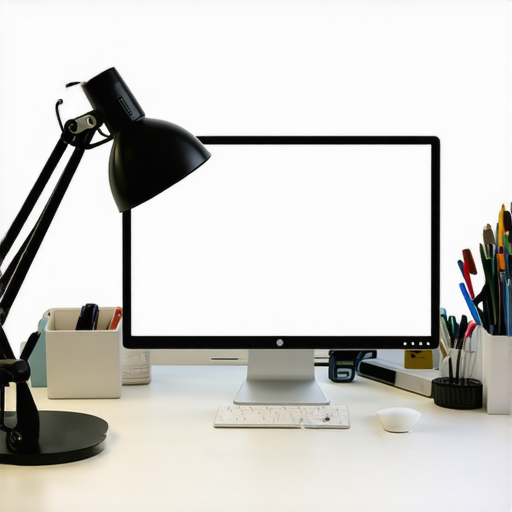
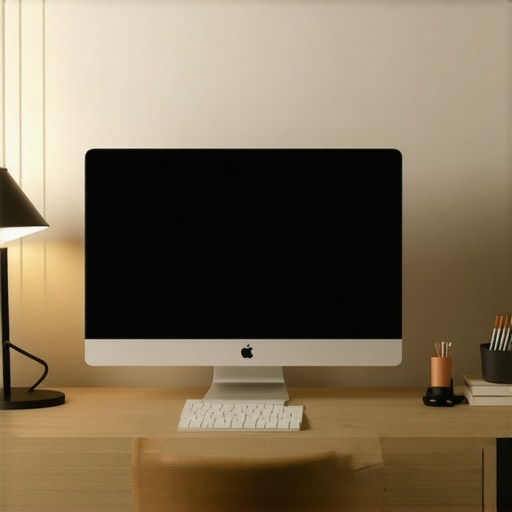
Ever had that frustrating moment during a video call when your face is half-shadowed or your workspace looks dull and uninspiring? I sure have. I remember my first attempt to set up proper lighting for my home office — I bought a cheap desk lamp, hoping it would brighten things up. Instead, I ended up with uneven light, glare, and a headache. It was a clear signal that I needed to rethink my approach. That lightbulb moment pushed me to dive deep into the world of professional lighting solutions, especially ring lights and desk lamps designed for home offices.
Why Proper Lighting Transforms Your Workday
Let me tell you, good lighting isn’t just about aesthetics; it’s about your health, productivity, and confidence. Poor lighting can cause eye strain, headaches, and even make you look tired on camera. On the flip side, the right setup can boost your mood, improve focus, and make your virtual meetings feel more natural. As research shows, proper workspace lighting can increase productivity by up to 20%, which is no small feat. This is why investing in quality lighting tools, like a versatile ring light or adjustable desk lamp, is a game-changer. If you’re tired of squinting at your screen or feeling exhausted after hours of work, then this guide is for you.
Is a ring light or desk lamp really worth the hype?
Early on, I made the mistake of thinking any lamp would do. I bought a generic LED desk lamp that promised brightness but lacked adjustable color temperature or dimming options. It looked good on the surface, but in reality, it cast uneven light and created glare. The truth is, not all lighting solutions are created equal. Choosing the right equipment requires understanding your specific needs and how different types of lights can enhance your workspace. For example, a ring light can provide even, flattering illumination for video calls, while a desk lamp with adjustable brightness helps reduce eye strain during long work sessions. Want to learn how to select the perfect setup? Stick around — I’ll walk you through the practical steps to transform your home office lighting today.
And don’t worry, I’ll also share some insider tips and common pitfalls to avoid. For instance, one mistake I made early on was ignoring the importance of color temperature — choosing lights with too warm or too cool tones can make your workspace uncomfortable. For more insights, check out our detailed guide on lighting your workspace effectively.
Ready to shed some light on your home office? Let’s get started with the essentials that will make your workspace brighter, healthier, and more inviting.
Start with Precise Placement of Your Light Sources
When I first set up my desk lamp, I placed it too close to my face, which created harsh shadows and glare. To fix this, I moved the lamp about 2-3 feet away and slightly above eye level, much like how a professional photographer positions their lighting for even coverage. Use a flexible arm or adjustable stand to fine-tune the height and angle until your face is evenly lit without glare or shadows. This simple step transformed my appearance on video calls and reduced eye strain, making my work sessions more comfortable.
Choose the Right Brightness and Color Temperature
Matching your lighting to your environment is crucial. I experimented with different settings on my LED desk lamp, starting with a warm tone (around 3000K) to mimic natural sunlight. However, I found that a neutral white (around 4000K) provided clearer visibility without feeling cold. For a ring light, I set the brightness to a level that illuminates my face evenly without washing out my features. Remember, too warm lights can make your workspace look cozy but dull, while too cool lights can appear sterile. Use the adjustable features of your lighting tools to find that sweet spot — it’s worth the time. For more detailed advice, see our guide on how to choose the perfect desk lamp.
Layer Your Lighting for Depth and Focus
Relying solely on a desk lamp or ring light creates flat lighting that can be unflattering or insufficient. Instead, I added a bias light behind my monitor, which reduces eye strain and adds depth to my scene. Think of it like a stage lighting setup — key lights, fill lights, and background lights work together to create a balanced scene. You can use inexpensive LED strips or small accent lights, positioned to eliminate shadows behind you. This layering makes your setup look more professional and inviting. For tips on bias lighting, visit bias lighting tips.
Avoid Common Mistakes with Your Lighting
One mistake I made early on was ignoring the importance of diffusing my light sources. Direct light creates unflattering shadows and highlights. I solved this by attaching a simple diffuser or even a white cloth over my lamp. Additionally, I kept my light sources consistent — mixing cool and warm lights can lead to color mismatches that make your face look odd on camera. Always test your setup in a video call to see how it appears on screen. For more insights, check out effective desk lighting tips.
Optimize Your Setup for Different Tasks
Switching between focus work and video conferencing requires different lighting setups. When I need to concentrate, I dim my desk lamp and turn on a softer bias light. For video calls, I increase the brightness of my ring light and adjust the color temperature to look natural. Using smart lighting or adjustable fixtures makes this process seamless. Remember, the goal is to create an environment that minimizes eye fatigue and enhances your appearance on camera. For more ideas, explore the top ring lights and desk lamps.
Keep Your Workspace Consistent and Functional
Finally, once you find a setup that works, document your preferred settings and positions. I used a small notepad to record my ideal brightness and color temperature, so I can replicate it easily. Regularly check your lighting as your workspace evolves — moving your desk, changing monitors, or adjusting decor can alter light distribution. Consistency is key for a professional appearance and comfortable working conditions. If you need expert help, consider reaching out through our contact page.
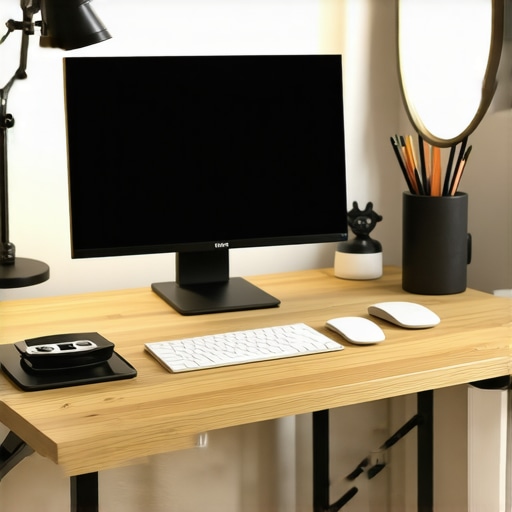
Many home office enthusiasts believe they can simply buy the brightest desk lamp or the most expensive ring light and call it a day. However, this approach often leads to subpar results and missed opportunities for optimal workspace illumination. In my experience, there are several misconceptions about home office lighting that can hinder your progress. Let’s dig deeper and uncover what most people get wrong about lighting for productivity and camera presence.
Are Bright Lights Always Better for Your Workspace?
Contrary to popular belief, more brightness isn’t always better. Excessively bright lights can cause glare, eye strain, and even headaches. The key is to achieve a balanced environment where your light sources complement each other rather than compete. For example, a common mistake is using a high-wattage bulb without considering the room’s natural light or the color temperature, leading to an unbalanced scene. Instead, aim for a layered lighting setup that combines ambient, task, and accent lighting, creating a comfortable and professional space. For guidance on choosing the right fixtures, check out how to select the ideal desk lamp.
The Hidden Trap of Color Temperature
Many overlook the importance of color temperature, opting for either warm or cool lights without testing what works best. Warm lights (around 3000K) create a cozy atmosphere but can dull colors and reduce clarity. Cool lights (around 5000K) mimic daylight and enhance visibility, but too cool tones can feel sterile. Achieving the right balance is crucial, especially when video conferencing is involved. A neutral white (around 4000K) often strikes the perfect compromise. Remember, your goal is to look natural on camera and avoid the “yellowish” or “bluish” tint that can distort your appearance. For more tips, explore effective workspace lighting strategies.
Why Overlooking Diffusion Can Hurt Your Setup
One of the most overlooked nuances is light diffusion. Direct light sources create harsh shadows and glare that can be unflattering on camera and uncomfortable for your eyes. Many assume that a powerful lamp with a high lumen count will suffice, but without proper diffusion, the light can be unkind. Using diffusers, white cloths, or even frosted bulbs softens the light, resulting in a more even and natural appearance. This simple adjustment can dramatically improve your video quality and reduce eye fatigue. For practical tips on diffusing light effectively, visit lighting diffusion tips.
Have you ever fallen into this trap? Let me know in the comments.
Once you’ve established an effective lighting setup for your home office, maintaining its performance over time becomes crucial. Just like any other piece of equipment, your lighting tools need regular check-ups to ensure they continue to serve your productivity and aesthetic goals. I personally make it a habit to periodically clean my LED desk lamp and ring light with a soft cloth to remove dust and smudges, which can dim their brightness and reduce clarity. Additionally, checking the integrity of power cords and switches prevents unexpected outages or safety issues. For example, I inspect my ring light’s stand every few months to tighten screws and prevent wobbling, which could affect consistent lighting during calls.
To keep your lighting system in top shape, consider investing in a quality surge protector. It guards against voltage spikes that can damage sensitive LED components, prolonging your equipment’s lifespan. Also, if you’re using adjustable fixtures, routinely test their dimming and color temperature features. This ensures they still perform as expected and allows you to recalibrate your ideal settings, especially after long periods of non-use.
Looking ahead, advancements in smart lighting technology are poised to revolutionize home office setups. Devices integrated with AI and IoT can automatically adjust brightness and color temperature based on the time of day or your activity, optimizing comfort and focus without manual intervention. I predict that in the next few years, we’ll see even more seamless integrations with voice assistants and work management apps, making lighting adjustments as effortless as saying, “Hey, adjust my desk lamp to focus mode.” To stay ahead, exploring these innovations now can give you a significant advantage in creating an adaptive and efficient workspace.
How do I maintain my lighting tools over time
Maintaining your lighting equipment involves regular cleaning, inspection, and calibration. I recommend setting a bi-monthly routine to wipe down fixtures, check connections, and test features like dimming or color temperature controls. If you notice a decrease in brightness or uneven lighting, it might be time to replace bulbs or upgrade to newer technology. Additionally, keeping software or firmware associated with smart lighting systems up-to-date ensures optimal performance and security. For detailed guidance, visit our privacy policy and learn how the latest innovations can keep your setup working smoothly.
Finally, don’t forget to experiment with advanced tips like layering your lighting with bias lights or diffusers to enhance comfort and reduce glare. Implementing even one of these strategies can significantly extend the life and effectiveness of your equipment. Ready to elevate your setup? Try adjusting your ring light’s diffusion with a simple white cloth or diffuser accessory—small tweaks like these can make a big difference in your productivity and camera presence.
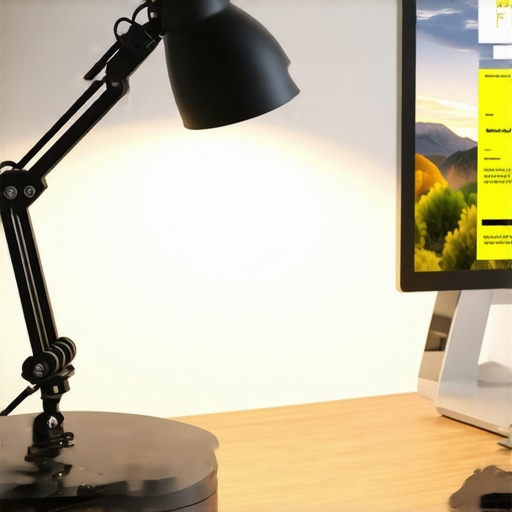
Reflecting on my journey to perfect home office lighting, I realized that the most valuable lessons came from unexpected challenges and simple experiments. Here are the insights I wish I had known earlier, which can save you time and elevate your workspace instantly:
- Layered lighting makes all the difference. Combining ambient, task, and accent lights creates a professional, inviting environment. I once relied solely on my ring light, which left my workspace looking flat. Adding a bias light behind my monitor transformed the scene and reduced eye strain.
- Diffusion isn’t optional. Direct, unfiltered light can be unflattering and uncomfortable. Using a diffuser or even a simple white cloth over your light source softens shadows and produces a more natural glow, especially for video calls.
- Color temperature impacts your mood and appearance. I experimented with different Kelvin settings, discovering that neutral white (around 4000K) struck the perfect balance for clarity and comfort. Warm tones felt cozy but dull, while cool tones made me look too clinical.
- Consistency is key for professionalism. Once you find your ideal setup, document your preferred settings. Regular checks ensure your lighting remains optimal as your workspace evolves or equipment ages.
- Smart lighting is the future. Devices that adjust brightness and color temperature automatically can adapt to your schedule, reducing manual tweaks and enhancing focus.
These lessons have transformed my home office into a bright, comfortable, and productive space. Experimenting with diffusion, layering, and color balance can unlock the full potential of your lighting setup, making every video call and work session more enjoyable.
My Essential Toolkit for Better Workspace Lighting
- A versatile ring light— great for flattering illumination and adjustable brightness.
- An adjustable desk lamp— for task lighting that can be tailored to your needs.
- Bias lighting strips— to add depth and reduce eye strain during long hours.
- Smart lighting systems— for automatic adjustments and seamless control.
Embrace the Bright Future of Your Home Office
Lighting is more than just a utility; it’s an investment in your comfort, health, and professionalism. With the right knowledge and tools, you can create a workspace that not only looks great but also empowers you to perform at your best every day. Start experimenting today, and watch your productivity and confidence soar!
What has been your biggest challenge in setting up your home office lighting? Share your experience below — I’d love to hear your story!

About the Author
Ricardo Vargas
Director of Operations and Product Development
Ricardo Vargas is a seasoned professional in the lighting industry, currently serving as a Director of Operations and Product Development
LinkedIn Profile
This post really hit home for me. I used to rely on a single desk lamp, thinking more light meant better productivity, but I quickly realized that harsh, uneven lighting caused headaches and eye fatigue. Layering different light sources and diffusing the light has made a huge difference in both my comfort and appearance on camera. I especially appreciate the emphasis on color temperature because I found that a neutral white (around 4000K) keeps my workspace lively yet natural. One challenge I faced was finding the perfect placement of my lights to avoid glare, but your tip about positioning them slightly above eye level really helped. Has anyone experimented with smart lighting features to automatically adjust brightness based on time of day or my work focus? I’d love to hear how that has worked for others, as I’m considering upgrading to a smart system soon.
This post really resonates with me, especially the part about layering light sources. I used to depend solely on a bright desk lamp, but I noticed it caused glare on my monitor and made my eyes tired after a few hours. Since adopting a layered approach with a ring light, an adjustable desk lamp, and some bias lighting behind my monitor, my comfort and camera quality have improved significantly. Personally, I’ve been experimenting with smart lighting that adapts to the time of day, and it’s been a game-changer—automatically adjusting brightness and temperature without manual fiddling. I think investing in such tech is worth it, especially for those who spend long hours on video calls. How do others find the reliability of these automated systems—do they truly make a noticeable difference, or do you prefer manual control? Would love to hear your thoughts on integrating smart lighting in a busy home office environment.
This article really nails the importance of layering light sources and understanding color temperature for a productive home office setup. I’ve experimented with different arrangements, and I agree that positioning your lights slightly above eye level makes a huge difference in reducing glare and shadows. I also found that using a diffuser over my desk lamp softened harsh light, which not only improved my on-camera appearance but also greatly reduced eye fatigue during long work sessions. One challenge I’ve faced is balancing the brightness of my ring light with my ambient lighting, especially when natural light varies throughout the day. Has anyone found effective ways to automate this adjustment? I’ve been considering smart lighting systems but wonder about their reliability and ease of integration with existing setups. Would love to hear what works for others or any recommendations on smart solutions that sync well with different work routines.
I really appreciated this detailed guide on home office lighting. One thing I’ve found particularly effective is the use of adjustable color temperature LED panels instead of traditional desk lamps. They give me more control over the ambiance, which is especially helpful during different times of the day or for various tasks. For example, I prefer warmer tones in the evening to relax and cooler light during work hours to stay alert. Additionally, I recently started experimenting with smart lights that can be programmed or controlled via app, which helps maintain consistency across my workspace. Has anyone experienced issues with the reliability or lifespan of smart lighting products? I’d love to hear whether these high-tech options actually make a noticeable difference in daily use. Also, do you think layering different types of lighting—like ambient, task, and accent—truly creates a more professional environment, or can minimal setups be just as effective? Looking forward to hearing everyone’s thoughts and tips.
This post really hits home for me, especially the part about layering your lighting and diffusing sources. I used to rely solely on a bright desk lamp, but I quickly noticed eye strain and uneven lighting on my face during calls. Once I added a ring light and a soft diffuser over my lamp, the difference was night and day. I also found that experimenting with different color temperatures really helps me look more natural on camera. One thing I’ve been curious about is how others manage natural light variations — does anyone calibrate their artificial lights to match changing daylight? Also, I’m considering integrating smart lighting that adjusts automatically; has anyone experienced issues with these systems being accurate or reliable? It seems like a great way to maintain consistent lighting, especially with a busy schedule. Would love to hear your tips or experiences with smart tech for home office lighting!