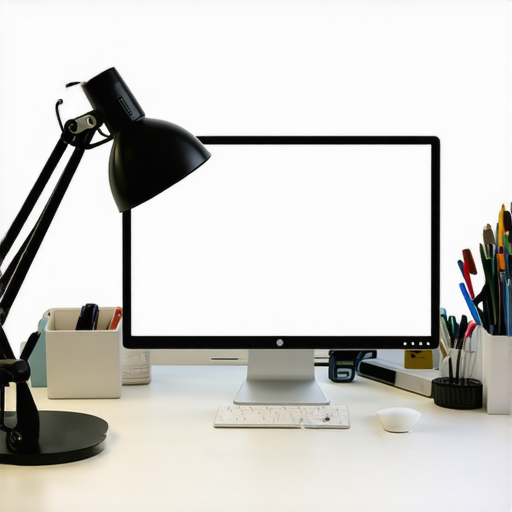
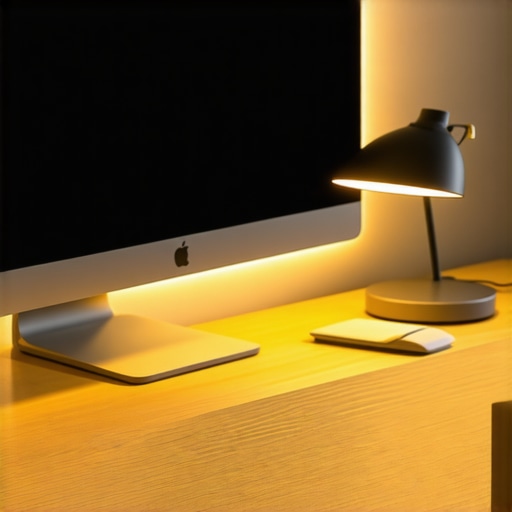
Have you ever sat down at your desk after a long day, only to be greeted by harsh lighting or dim, uninspiring illumination that makes work feel like a chore? I’ve been there. I used to think that any decent lamp would do the trick—until I realized how much better my workspace could be with just the right lighting. That lightbulb moment changed everything for me, and I want to share how you can do the same for your home office.
Why Good Lighting Can Make or Break Your Workday
It’s simple but often overlooked: lighting influences our mood, productivity, and even our health. Poor lighting causes eye strain, headaches, and fatigue. On the flip side, the right setup can boost your focus and make the hours fly by. I learned this the hard way early on, when I spent hours squinting at my screen, trying to ignore the dull glow of a cheap desk lamp. The mistake I made? I didn’t consider the importance of bias lighting or layered illumination, which can dramatically improve your workspace ambiance. If you’re tired of feeling drained or distracted, it’s time to explore some modern lighting solutions that actually work for you.
In this post, I’ll reveal the top bias lighting ideas and desk lamps for home office comfort in 2025. These aren’t just trendy gadgets; they’re practical, scientifically backed ways to create an environment that energizes you instead of draining you. Whether you work from a cozy corner or a dedicated office room, I’ll guide you through choosing the best options to brighten your space, reduce eye strain, and even enhance your mood.
Is All Lighting Created Equal Or Are Some Choices Actually Better?
I’ll be honest—early in my journey, I bought a popular LED desk lamp without much thought. Turns out, I overlooked how important the color temperature and layering of light are. This mistake made my workspace less inviting and even contributed to my eye fatigue. Since then, I’ve experimented with various setups, and I can confidently say that investing in the right bias lights and adjustable desk lamps is worth it. For a comprehensive look at how to optimize your workspace lighting, check out this guide to choosing the perfect desk lamp in 2025. It’s packed with tips that helped me transform my office into a bright, welcoming haven.
So, if you’ve ever felt overwhelmed by the sheer number of lighting options or skeptical about whether new tech can really improve your work environment, don’t worry. I’ll walk you through practical steps and product recommendations that will make the upgrade straightforward and worthwhile. Ready to turn your workspace into a haven of productivity and comfort? Let’s get started!
},
Select Your Ideal Light Source
Start by assessing your current workspace. Do you have a desk lamp, bias lighting, or both? I remember my first attempt involved just plugging in a standard LED lamp, which looked good but caused eye strain after a few hours. To fix this, I replaced it with an adjustable LED desk lamp that offers multiple brightness levels and color temperatures. For detailed guidance, check out this comprehensive guide. When choosing a lamp, prioritize models with adjustable arms and dimmable features to adapt to different tasks and times of day.
Invest in Layered Illumination
Layered lighting involves combining ambient, task, and accent lighting to create a balanced environment. I started by installing a modern LED ceiling fixture for ambient light, then added a bias light behind my monitor to reduce eye fatigue. This setup mimics natural light patterns and enhances contrast, making screens easier on the eyes. For more tips on bias lighting, explore this bias lighting tips article. Think of it as giving your workspace a gentle glow, like moonlight, that complements your main light sources without overpowering them.
Optimize Light Color and Intensity
Color temperature dramatically influences mood and productivity. I learned this when I switched my desk lamp from a warm yellow tone (around 2700K) to a cooler white (around 5000K). The cooler light kept me alert and focused, especially during long work hours. Use a lamp with adjustable color temperature settings to switch from warm to cool depending on your tasks. Remember, warmer tones are better for relaxation, while cooler tones boost concentration. For a deeper dive into this, visit this guide on LED lamps and bias lighting.
Placement Matters for Maximum Comfort
Position your lighting to avoid glare and shadows. Place your desk lamp slightly to the side and above your workspace, aiming it downward at your tasks. I made the mistake of placing my lamp directly in front of me, which caused glare on my monitor. After repositioning it, my eyes felt less strained, and my focus improved. Think of your lighting setup as a stage; proper placement directs the spotlight exactly where you need it. For ideas on arranging your lights, browse this lighting arrangement ideas.
Use Smart Technology for Convenience
Smart lighting solutions can automate your setup. I installed a Wi-Fi enabled desk lamp with voice control, allowing me to adjust brightness and color with simple commands. This feature proved invaluable during calls or when I needed quick adjustments. Consider integrating smart bulbs or switches into your setup for seamless control. For top recommendations, visit this smart lighting suggestions page. Think of it as having a lighting butler who adjusts the ambiance at your command.
Regularly Reevaluate Your Lighting Setup
Your needs may change over time, especially as seasons shift or tasks evolve. I found that periodically tweaking my lighting improved my comfort and efficiency. Schedule a quick review every few months to assess brightness, placement, and color temperature. Adaptation is key to maintaining an optimal workspace environment. For ongoing inspiration, check out this latest lighting ideas.
Many home office enthusiasts believe that brighter is always better when it comes to lighting. However, this is a misconception that can actually undermine your comfort and efficiency. While high lumen outputs and intense lighting might seem like the way to go, the real secret lies in understanding how nuances like light distribution, color temperature, and glare prevention impact your workspace. For example, overly bright or poorly directed lights can cause eye strain, headaches, and even reduce your focus over time. Instead, aim for layered illumination strategies that incorporate adjustable task lights, ambient lighting, and bias lights. This way, you create a balanced environment that supports your productivity without overwhelming your senses. To dive deeper into these advanced lighting principles, check out this comprehensive guide on modern LED solutions.
Why Do Most People Overlook the Power of Proper Placement?
A common mistake is positioning your desk lamp directly in front of your monitor or workspace. This placement often causes glare and reflections, which lead to eye fatigue and reduce screen visibility. Instead, positioning your light sources at an angle and slightly above your workspace can dramatically cut down on glare while providing optimal illumination. This nuanced adjustment might seem minor, but it makes a significant difference in comfort and focus. I learned this the hard way when I moved my light to the side and above my desk, instantly feeling less strain and sharper focus. Remember, proper placement isn’t just about aesthetics; it’s about reducing visual stress and enhancing productivity. If you want to learn how to optimize your setup, explore this guide on desk lamp placement. Have you ever fallen into this trap? Let me know in the comments.
What Are the Hidden Dangers of Relying on Smart Lighting Alone?
Many assume that smart lighting solutions automatically solve all their workspace illumination problems. While these gadgets offer convenience, they can sometimes lead to a false sense of security. For instance, relying solely on voice-controlled or app-managed lights might cause you to neglect the importance of manual adjustments for specific tasks. Moreover, some smart bulbs have inconsistent color rendering, which can distort colors and impact tasks requiring precision, like design work. Scientifically, a study published in the Journal of Environmental Psychology emphasizes that manual control and proper calibration of lighting are essential for optimal visual comfort and mood regulation. Therefore, combining smart technology with traditional adjustable fixtures ensures you maintain control over your environment. To explore top smart lighting options, visit this smart lighting suggestions page. Let’s not forget: technology is a tool, not a cure-all. Stay vigilant about your actual needs versus the features offered by these devices.
Maintaining your workspace lighting setup over time is crucial to ensure lasting comfort, efficiency, and productivity. Just like any valuable investment, your lighting tools require regular attention, updates, and sometimes upgrades to keep them functioning optimally. In this section, I’ll share the specific tools and methods I personally rely on, along with insights into where this trend is headed.
How do I maintain my lighting setup over time?
First, I make it a habit to periodically clean my desk lamps and bias lighting. Dust and grime can diminish light quality and cause flickering, which leads to eye strain. A microfiber cloth and a gentle cleaning solution are enough to keep fixtures shining bright. I also check the connections and cords monthly to prevent any shorts or loose wiring that can compromise safety and performance. For smart lighting systems, I use the corresponding app to run diagnostics and firmware updates, ensuring my devices stay secure and compatible with new features. Regular calibration, especially for color temperature and brightness levels, is essential, particularly if you switch between different tasks or seasons. These small but consistent steps extend the lifespan of your equipment and maintain the quality of your workspace environment.
When selecting tools for maintenance, I recommend investing in a quality multimeter to test electrical connections and ensure your fixtures are receiving proper voltage. Additionally, a good pair of adjustable pliers can help tighten or replace loose connectors without damaging your equipment. For cleaning, use lint-free cloths and avoid abrasive cleaners that could damage sensitive parts. By setting a routine—say, every three to six months—you can catch minor issues before they evolve into costly repairs or replacements. This proactive approach not only preserves your lighting investments but also guarantees that your workspace remains inviting and healthy.
What’s next for workspace lighting tools and trends?
Looking ahead, I believe smart maintenance solutions will become more integrated into our home office setups. Devices that automatically report their status, suggest maintenance tasks, or even perform self-cleaning functions are on the horizon. For example, future smart fixtures might include sensors that detect dust accumulation or flickering, notifying you via your phone or voice assistant. Moreover, advancements in LED technology will likely lead to even longer-lasting, more energy-efficient lighting options that require less frequent upkeep. As these innovations become mainstream, maintaining your workspace lighting will be simpler and more intuitive.
To stay ahead, I recommend trying out a smart lighting control system that can schedule routine checks and adjustments. This not only ensures consistent illumination but also minimizes your manual effort. If you’re interested in exploring such solutions, check out the latest in smart lighting innovations. Embracing these tools and practices now will keep your home office lighting in top shape for years to come, making every workday brighter and more productive.
After optimizing my workspace lighting, I discovered that the secret isn’t just in bright bulbs but in thoughtful placement, layered illumination, and choosing the right color temperatures. The most valuable lesson I learned was that small adjustments—like repositioning a desk lamp or adding bias lighting—can dramatically boost comfort and productivity. For example, I once thought a high-lumen light would solve everything, but it only caused glare and fatigue until I learned to balance ambient, task, and accent lighting. This insight transformed my entire approach to workspace design, making each day more energizing and less tiring. Don’t overlook the power of personal experimentation; your ideal lighting setup is unique and evolves with your needs. Trust me, investing in adjustable fixtures and smart solutions has created a workspace that feels inviting and functional, not just well-lit.
To deepen your understanding, I recommend exploring these tools and resources that helped me refine my setup. First, check out the comprehensive guide to selecting the perfect desk lamp in 2025, which is packed with practical tips on adjustable brightness and color temperature. For bias lighting ideas, the bias lighting tips article offers creative ways to reduce eye strain and improve contrast. Additionally, the ultimate guide to LED lamps and bias lighting helps me choose energy-efficient, mood-enhancing fixtures. Lastly, for ongoing inspiration, I follow latest workspace lighting ideas, which keeps my setup fresh and effective.
Light Up Your Future with Confidence
Remember, your workspace lighting is more than just a technical detail—it’s a vital part of your daily environment that influences your mood, focus, and overall well-being. Now is the perfect moment to experiment with layered lighting, adjustable fixtures, and smart controls to craft a space that truly energizes you. Don’t settle for dull or uncomfortable illumination—embrace the proven strategies and tools that can make every workday brighter and more productive. Your ideal home office setup is within reach, waiting for you to unlock its full potential. Start today, and watch how your work transforms when your environment works for you, not against you.
What’s your biggest lighting challenge? Share below and let’s solve it together!

About the Author
Ricardo Vargas
Director of Operations and Product Development
Ricardo Vargas is a seasoned professional in the lighting industry, currently serving as a Director of Operations and Product Development
LinkedIn Profile