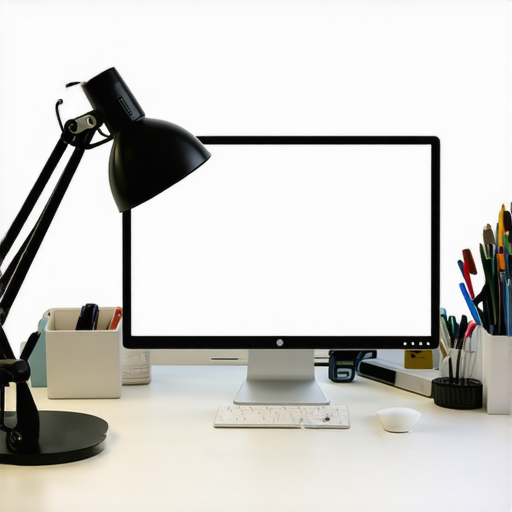
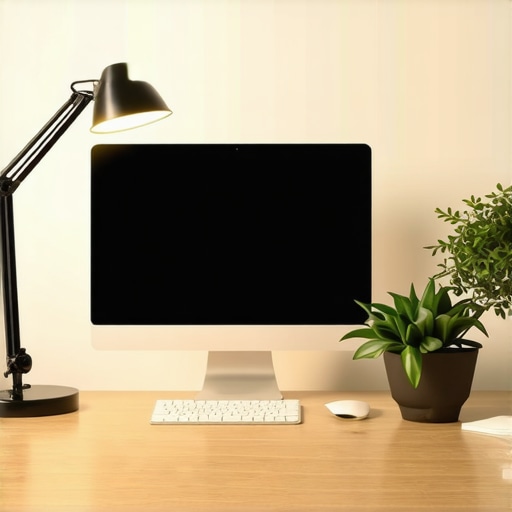
Ever sat down at my desk after a long day, only to realize the lighting is so dim that I can barely see my keyboard? Or worse, I’ve struggled with glare, shadows, and flickering lights that make me want to toss my lamp out the window. That lightbulb moment hit me hard—good lighting isn’t just a luxury; it’s a necessity for a productive, healthy workspace. And let’s be honest, I’ve made my fair share of mistakes, like choosing the wrong type of LED lamp or neglecting adjustable brightness, which only added to my frustrations.
Why Proper Lighting Transforms Your Home Office
Great lighting can dramatically boost your focus, reduce eye strain, and even improve your mood. I learned this firsthand when I upgraded my old desk lamp to a modern LED setup. Suddenly, my workspace felt brighter, clearer, and more inviting. It was like night and day. According to a study published in the Journal of Environmental Psychology, proper lighting can increase productivity by up to 20%. That’s not just a number—it’s a game-changer. But with so many options out there, where do you start? That’s exactly what I want to help you with today.
Is LED Lighting Actually Worth the Hype?
Honestly, I was skeptical at first. I thought all LED lamps were pretty much the same. My early mistake was choosing a cheap, non-dimmable model that flickered under certain conditions. I spent more time fiddling with settings than working. But once I switched to a high-quality LED lamp with adjustable brightness and color temperature, my entire home office experience improved. If you’re wondering whether investing in good lighting is worth it, trust me—it’s worth every penny. Want to see how I chose the right LED lamps? Check out this guide.
And if you’re like me, you might also be considering adding a ring light for video calls or content creation. They’re surprisingly versatile and can make your face look vibrant and professional, even in poor lighting. I’ll walk you through the best options and hacks to get the most out of your setup.
Now that I’ve shared my journey, let’s dive into the practical steps to transforming your workspace with the right LED lamps and ring lights. Your brighter, more efficient home office awaits!
Choose the Right LED Lamp for Your Workspace
Start by assessing your space and lighting needs. I remember the first time I replaced my old desk lamp with a high-quality LED model; I chose one with adjustable brightness and color temperature. This gave me control over my environment, making it easier to switch from bright work mode to relaxed reading. When selecting your LED lamp, consider the lumen output—aim for at least 450 lumens for general tasks—and check if it offers dimming options. For detailed guidance, visit this comprehensive guide to ensure you make an informed decision.
Prioritize Adjustable Brightness and Color Temperature
Adjustability is key. I learned this the hard way when I bought a static LED lamp that was either too harsh or too dim. To avoid this, opt for lamps that let you tweak brightness and switch between warm and cool tones. Warm light (around 3000K) is perfect for winding down, while cool light (around 6000K) boosts alertness. This flexibility helps reduce eye strain and enhances focus during long work sessions. For the latest innovations, check this article.
Maximize Your Workspace Lighting with Bias Lights
Bias lighting, subtle backlighting behind monitors, reduces contrast and minimizes eye fatigue. I installed a strip of bias lights behind my monitor, which made a noticeable difference during extended screen time. This technique is especially effective if you work in a dim room or have a large monitor. For tips on how to implement bias lighting, visit this guide. It’s a small change that dramatically improves your visual comfort.
Incorporate Ring Lights for Video and Content Creation
Ring lights are versatile tools beyond vlogging. I started using a ring light for video calls, and my colleagues immediately noticed the difference in my appearance—more vibrant and professional. When choosing a ring light, consider size, color temperature, and whether it has adjustable brightness. For optimal results, position the ring light at face level and slightly above your camera. Want expert hacks? Check this article. It’s a game-changer for remote work and content creation alike.
Combine Lighting Techniques for Maximum Impact
For the best results, layer your lighting: use a high-quality LED desk lamp for task lighting, bias lighting to reduce eye strain, and a ring light for video clarity. During my setup, I initially struggled to balance these elements, but I found that experimenting with placement and brightness levels led to a harmonious environment. Remember, the goal is to eliminate shadows, reduce glare, and create a consistent, comfortable glow. For a complete review of modern LED solutions, explore this resource for inspiration.
Test and Adjust Your Lighting Setup
After implementing these steps, spend time testing your setup at different times of day. I recommend adjusting your lighting until natural light and artificial sources blend seamlessly. Keep a journal of what works best—small tweaks, like angling your lamp differently or dimming your ring light, can make a huge difference. Remember, effective lighting isn’t static; it evolves with your space and needs. For ongoing tips, visit this page.
While it’s tempting to believe that simply installing a bright LED lamp will transform your workspace overnight, there are some hidden nuances that many overlook. As someone who’s experimented extensively with various lighting setups, I’ve uncovered a few common myths that can trip up even seasoned home office users. Let’s dig deeper into what most people get wrong about home office lighting and how to avoid these pitfalls.
Is Brighter Always Better for Your Workspace?
Contrary to popular belief, cranking up the brightness isn’t always the best solution. Excessive luminance can cause glare and discomfort, leading to more eye strain and headaches. The key is to find a balanced lighting environment that combines task lighting with ambient sources. For example, using a high-quality LED lamp with adjustable brightness allows you to tailor the light intensity to your current task, reducing fatigue. Remember, the goal isn’t just brightness but proper distribution of light that minimizes shadows and glare. For insights into the latest LED innovations that can help you achieve this balance, check this guide.
The Myth of One-Size-Fits-All Lighting
Many assume that a single type of lighting suits all tasks and times of day. Warm light might be great for relaxing, but it could hinder focus during work hours. Conversely, cool, bluish tones boost alertness but may feel too harsh in the evening. The real secret is layering different lighting sources and adjusting them throughout the day. For instance, integrating bias lighting behind your monitor reduces eye fatigue, especially in dim rooms, while a versatile ring light can enhance video calls and content creation. Combining these techniques creates a flexible, healthy lighting environment. For more advanced tips, explore this comprehensive guide.
Beware the Overlooked Impact of Color Temperature
Color temperature is often misunderstood. Many think that all LED lamps with similar lumens will produce comparable results. However, the difference between warm (around 3000K) and cool (around 6000K) light can significantly affect your mood and productivity. Warm light creates a cozy atmosphere but may reduce alertness, whereas cool light enhances focus but can cause eye strain if overused. The trick is to use adjustable lamps that let you switch temperatures based on your activity. This nuanced control can prevent common issues like fatigue and discomfort. For a deep dive into selecting the perfect LED lamp, visit this detailed guide.
Have you ever fallen into this trap? Let me know in the comments. The right lighting isn’t just about brightness; it’s about creating an environment that supports your work and well-being. By understanding these hidden nuances, you can design a home office that truly works for you, day after day.
Maintaining an optimal lighting setup in your home office isn’t a one-and-done task. Over time, dust can accumulate on your lamps, bulbs can flicker, and the effectiveness of your lighting can diminish without proper care. That’s why I rely on specific tools and methods to keep my workspace bright, efficient, and comfortable day after day.
How do I maintain my lighting setup over time?
First, regular cleaning is essential. Dust buildup on lamps and diffusers can significantly reduce light output. I use a microfiber cloth and a gentle cleaning solution to wipe down my LED desk lamps weekly. For hard-to-reach spots, a compressed air canister helps remove dust from small vents or fan areas without disassembling the unit.
Second, checking and replacing bulbs or LEDs before they completely fail is a good practice. I keep spare LED modules on hand, especially since many modern lamps allow easy swap-outs. This proactive approach prevents unexpected dark spots during critical work moments.
Third, invest in a quality light meter—like the Sekonic L-858D—which I personally use to measure lumen output and ensure my lighting remains consistent. Over months, LED brightness can slightly diminish, and a light meter helps me decide when to replace or upgrade.
Additionally, software tools can optimize your lighting schedule. For example, smart lighting systems like Philips Hue or LIFX enable you to set routines that adjust brightness and color temperature throughout the day, mimicking natural light cycles. These systems also notify you when bulbs need replacement or if there’s a connectivity issue, making maintenance less guesswork and more proactive.
Looking ahead, trends point toward integrated smart lighting that learns your habits and adjusts automatically, reducing manual maintenance. As this technology evolves, expect even more intuitive ways to keep your workspace optimally lit with minimal effort.
Try this advanced tip today
One tip I highly recommend is installing bias lighting with a smart controller. This enhances visual comfort and reduces eye strain, especially during long screen sessions. You can set it to adjust automatically based on ambient light sensors, keeping your workspace perfectly balanced without constant manual tweaks. For detailed guidance, check this resource. It’s a game-changer for maintaining a healthy, productive environment.
By combining regular cleaning, proactive replacements, and smart technology, you’ll ensure your home office lighting remains effective and energy-efficient for years to come. Don’t forget to schedule monthly checks and keep your tools handy—your eyes and productivity will thank you!
The Hardest Lesson I Learned About Home Office Lighting
One of my biggest mistakes was neglecting the importance of layered lighting. I used a single bright desk lamp and wondered why shadows and glare kept bothering me. It took me months to realize that combining task, ambient, and accent lighting creates a much healthier and more comfortable environment. Don’t make the same mistake—layer your lighting for true comfort and productivity.
My Essential Toolkit for Better Workspace Illumination
- Modern LED Desk Lamps: I swear by adjustable, high-CRI LED lamps that let me control brightness and color temperature. They’re reliable and energy-efficient. Check out this guide for choosing the best.
- Bias Lighting Strips: Installing bias lighting behind my monitor greatly reduced eye strain and made long work sessions more manageable. I use smart-controlled strips that adjust with ambient light. Learn more about bias lighting here.
- Ring Light for Video Calls: A versatile tool that brightens my face and adds a professional touch to remote meetings. I recommend a ring light with adjustable color temperature and brightness. Find out the best options here.
- Smart Lighting Systems: Devices like Philips Hue or LIFX help me automate my lighting schedule, mimicking natural light and maintaining optimal brightness. They’re a game-changer. Discover the latest innovations here.
Your Bright Future Starts Now
Creating the perfect home office lighting environment isn’t just about buying the right tools; it’s about understanding how different lighting layers work together to support your health and productivity. Take small steps today—adjust your desk lamp, add bias lighting, or experiment with a ring light—and watch your workspace transform. Remember, the best lighting setup evolves with your needs, so stay curious and keep tweaking. Your brighter, more efficient home office awaits—are you ready to make that change?

About the Author
Ricardo Vargas
Director of Operations and Product Development
Ricardo Vargas is a seasoned professional in the lighting industry, currently serving as a Director of Operations and Product Development
LinkedIn Profile