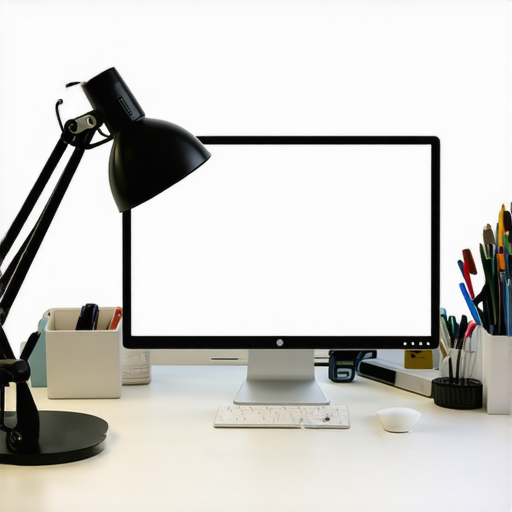
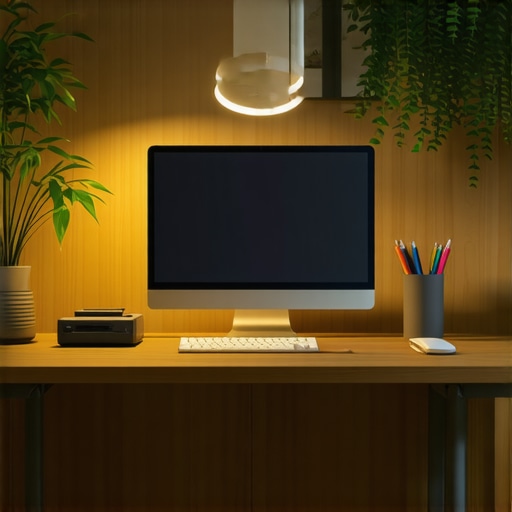
Have you ever sat down at your desk, ready to dive into work or a Zoom meeting, only to realize that your face is swallowed in shadows or washed out by harsh, unflattering light? I’ve been there, fumbling with cheap desk lamps that flicker or produce uneven illumination. One day, I finally snapped and thought, “There has to be a better way.” That lightbulb moment led me down the rabbit hole of researching the best lighting solutions for a productive and visually pleasing home office. Today, I promise to share everything I’ve learned about how to transform your workspace with the perfect combination of ring lights and LED lamps—so you can work, record, and relax under the best possible lighting conditions.
Why Proper Workspace Lighting Matters More Than Ever
In my early days of working from home, I underestimated the power of good lighting. I thought a simple desk lamp would do the trick. But I quickly noticed how poor lighting affected my mood, focus, and even the quality of my video calls. According to a study published in the Journal of Environmental Psychology, lighting can significantly influence productivity and well-being. It’s no exaggeration to say that your workspace lighting can make or break your day.
Recently, I made the mistake of relying on a single, dim overhead light that created uneven shadows and made my face look tired. That’s when I realized my entire setup needed an upgrade. I started experimenting with different solutions, discovering that modern LED lighting options—like ring lights and bias lighting—offer not only better illumination but also a more professional and inviting atmosphere. And trust me, the difference is night and day.
If you’ve ever felt frustrated by your workspace’s dull or harsh lighting, I understand completely. The good news is, with a few strategic choices, you can create a bright, balanced environment that enhances your focus and appearance. In the next sections, I’ll guide you through how to choose the right LED lamps and ring lights, and how to set them up for maximum benefit.
What We’ll Cover Today
We’ll explore the best types of lighting to brighten your home office, how to avoid common mistakes, and some practical tips to get it just right. Whether you’re a content creator, remote worker, or just want a more comfortable workspace, this guide is designed to help you make informed decisions and invest in lighting solutions that truly work for you. Ready to shed some light on your workspace? Let’s get started!
Is Over-the-Top Lighting Worth the Hype?
Many people worry that fancy lighting setups might be a waste of money or look unprofessional. I used to think so too, until I realized that poorly lit videos and blurry photos hurt my credibility. Early on, I bought a cheap ring light without researching the specs, and it barely improved my video quality. Don’t make the same mistake. With the right knowledge, you can find lighting that elevates your workspace without breaking the bank. Want to know how? Keep reading, and I’ll show you the best options backed by real-world experience and expert advice. If you’re curious about how to choose the perfect lighting for your needs, check out [this comprehensive guide](https://lighting.techdeskessentials.com/ultimate-guide-to-led-lamps-and-ring-lights-for-bright-home-office-in-2025) for more insights.
Select the Right Light Sources for Your Workspace
Start by evaluating your current setup. I remember the time I decided to swap my dull desk lamp for a modern LED option. I chose a model with adjustable brightness and color temperature, which allowed me to tailor the light to my needs. To find the perfect fit, check out the guide on selecting desk lamps. This ensures you pick a product that matches your space and workflow.
Position Your Lighting Correctly
Proper placement is critical to avoid harsh shadows and unflattering light. I learned this firsthand when I placed my ring light directly behind my monitor, causing glare. Now, I position it slightly above and in front of me, pointing downward at a 45-degree angle. For detailed positioning tips, explore ring light hacks. Think of your lighting setup like a photographer setting up a portrait; the goal is to illuminate evenly without creating unflattering shadows.
Balance Your Ambient and Task Lighting
Layering different types of light enhances comfort and productivity. I added a bias light behind my monitor, which reduced eye strain and improved contrast. Bias lighting is a subtle backlight that makes your screen pop without overexposing your workspace. Visit bias lighting tips for more ideas. Combining this with a bright, adjustable desk lamp and a ring light creates a balanced environment that minimizes fatigue and boosts focus.
Adjust Brightness and Color Temperature
Flexible control over brightness and color temperature helps adapt to different tasks and times of day. I use a lamp with a touch-sensitive dimmer and a color range from warm to cool white. This versatility allows me to switch from energizing cool light during work to warm, cozy tones when winding down. Look into LED innovations to find models with easy adjustments.
Test and Refine Your Setup
Once your lights are in place, test your setup during video calls and focused work periods. I spent a Saturday afternoon tweaking my ring light angle and brightness until my face looked natural and vibrant on camera. Remember, small adjustments can make a big difference. Use your camera or recording device to preview your lighting and make necessary tweaks. Regularly reassess your setup to maintain optimal conditions as your workspace evolves.
Maintain Your Lighting Equipment
Clean your LED lamps and ring lights regularly to keep illumination at its best. Dust and fingerprints can dim the light output over time. I keep a microfiber cloth nearby and wipe my devices every few weeks, which ensures consistent brightness. For long-term care tips, consult workspace lighting maintenance.
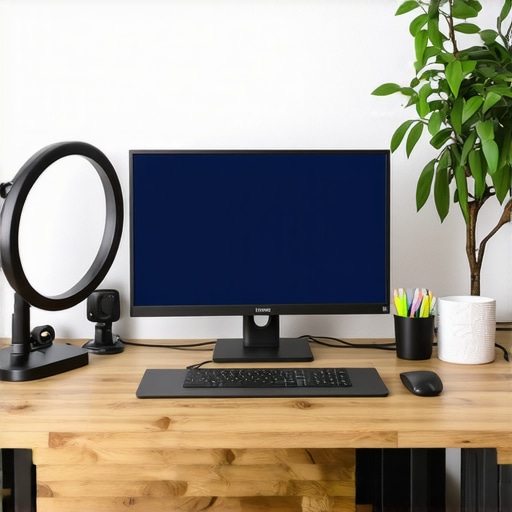
Many people assume that choosing a desk lamp, LED lamp, bias lighting, or ring light is straightforward — just pick the brightest or most popular model and you’re set. However, this oversimplification often leads to subpar results and lingering frustrations. As someone who has experimented extensively with various lighting solutions, I can tell you that understanding the nuances makes all the difference. Let’s dig deeper into what most get wrong and how to avoid these pitfalls that could undermine your workspace’s efficiency and aesthetics.
Why Bigger Isn’t Always Better
One common myth is that bigger or more powerful lighting fixtures automatically improve your workspace. In reality, excessive brightness or overly large fixtures can cause glare, eye strain, and unflattering shadows. The key is balance. For example, a ring light that’s too intense or placed too close can wash out your face or create distracting reflections. Instead, focus on adjustable lights and learn to fine-tune brightness and color temperature, which can significantly enhance your comfort and visual quality. For more insights, check out this guide on selecting the right desk lamp.
Beware of the Color Temperature Trap
Many underestimate how critical color temperature is for workspace lighting. A common mistake is opting for cool white lights because they seem ‘bright,’ but in practice, cool tones can cause fatigue and reduce focus over time. Warm tones may feel cozy but can make your workspace appear dull and less professional, especially on camera. The sweet spot is adjustable lighting that allows you to switch between warm and cool white as needed. An advanced setup that dynamically adjusts color temperature based on the time of day can boost productivity, as supported by studies like the one from the workspace lighting research.
Common Mistake: Ignoring the Room’s Natural Light
Many overlook how natural light interacts with artificial lighting. Relying solely on lamps and ring lights without considering window placement can lead to mismatched lighting conditions — either too warm or too cold, or overly contrasty. For a professional look, aim for a layered lighting approach, combining natural light with well-placed LED lamps and bias lighting. This not only enhances visual harmony but also reduces energy consumption and eye fatigue. Want to optimize your setup? Visit this comprehensive guide.
What About the Shadows and Glare
Shadows and glare are often the sneaky enemies of good workspace lighting. Many think that simply increasing brightness solves visibility issues, but uneven lighting creates shadows that can cause discomfort and reduce focus. Proper placement is crucial — the light source should be positioned to minimize shadows on your face and workspace. For example, positioning your ring light slightly above and in front of you at a 45-degree angle creates a flattering, shadow-free effect. Additionally, diffusers can soften harsh light, making your workspace more comfortable. For advanced tips, see this expert advice on ring light positioning.
Have you ever fallen into this trap? Let me know in the comments. Remember, a well-informed approach to workspace lighting is an investment in your productivity and well-being, so take the time to get it right.
Investing in quality workspace lighting is just the beginning—keeping it functioning optimally over time requires specific tools and habits. From maintaining LED lamps and ring lights to ensuring bias lighting continues to enhance your environment, you need a strategy to sustain your setup. I rely on a few key tools and methods that have proven invaluable in my journey to maintain effective lighting, and I highly recommend them for anyone serious about their workspace.
How do I maintain my lighting equipment over time?
Regular cleaning is essential. Dust and fingerprints can dim the output of LED lamps and ring lights, diminishing their effectiveness. I keep a microfiber cloth nearby to wipe down my devices weekly, which prevents buildup and keeps the light crisp and clear. For more stubborn grime, a gentle, alcohol-free cleaning solution works wonders without damaging delicate surfaces.
Beyond cleaning, monitoring the performance of your lights is crucial. I use a lux meter—an inexpensive device that measures illuminance—to check if my LED lamps and bias lights are delivering consistent brightness. This helps me identify when a bulb or LED array is fading or malfunctioning, so I can replace components before performance drops significantly.
When it comes to replacing parts, I prefer high-quality, compatible bulbs and LED modules. Investing in reputable brands ensures longevity and safety. For example, I stick to LED modules rated for at least 25,000 hours of use, which aligns with modern standards for durability. Check out this guide on LED innovations for insights on selecting long-lasting components.
In addition, software tools can help you optimize your setup. I use a smart lighting control app that allows me to fine-tune brightness and color temperature remotely. This is particularly handy for adjusting bias lighting or ring lights during different tasks or times of day, ensuring consistent quality without manual fiddling.
Looking ahead, I believe smart lighting systems will become even more integrated into workspace setups, offering predictive adjustments and maintenance alerts. Future trends include AI-powered systems that diagnose issues before they impact your environment, saving you time and effort.
Try this: Set a maintenance schedule for your lighting setup
Consistency is key. Establish a quarterly routine to clean, inspect, and recalibrate your lights. Use tools like a lux meter and control apps, and replace components as needed. This proactive approach ensures your workspace remains well-lit, professional, and comfortable over the long haul. For more personalized advice or to address specific issues, don’t hesitate to reach out through our contact page. Keep your lighting shining bright—your eyes, focus, and productivity will thank you!
The Hardest Lessons I Learned About Desk Lamp, LED Lamp, Bias Lighting, Ring Light, Workspace Lighting
One of my biggest realizations was that more lighting isn’t always better. I once went overboard with a massive, ultra-bright ring light and a dozen LED strips, thinking more brightness would equal better work. Instead, I ended up with glare, headaches, and a workspace that felt more like a runway than a cozy office. The lesson? Balance and adjustability are key. A smaller, well-placed ring light with adjustable brightness can outperform a blindingly bright setup any day.
Why I Almost Missed the Significance of Color Temperature
Initially, I believed that cool white lights were the best for productivity because they mimicked daylight. But I soon found that too much cool light caused fatigue and made my face appear harsh on camera. Warm white, on the other hand, created a more inviting atmosphere but sometimes looked dull during the day. The breakthrough came when I chose LED lamps with adjustable color temperature, allowing me to customize my lighting for different tasks and times. Now, I know that flexibility in color temperature transforms a workspace from dull to dynamic.
How Overlooking Natural Light Can Sabotage Your Setup
For a long time, I ignored how my window light interacted with my artificial lights. I relied solely on LED lamps and ring lights, which sometimes clashed with the natural daylight, creating inconsistent lighting that hurt my video calls. Once I started layering natural light with my artificial sources—placing my ring light at an angle to complement the sunlight—I achieved a harmonious, professional look. Remember, natural light is a powerful asset, but it requires thoughtful integration with your artificial lighting.
My Favorite Tools for Maintaining Lighting Excellence
Dusting my LED lamps and ring lights regularly is a simple habit that keeps my setup shining bright. I also use a lux meter to measure light levels, ensuring my workspace remains evenly lit. Investing in high-quality bulbs and LED modules has saved me time and money in the long run, preventing flickering and dimming. For remote adjustments, I rely on a smart lighting app that fine-tunes brightness and color temperature effortlessly. These tools and habits keep my workspace lighting at its peak, supporting my focus and comfort every day.
What I Wish I Knew When I Started
Before diving into the world of workspace lighting, I underestimated how critical placement, layering, and flexibility are. I wish I had known to prioritize adjustable, layered lighting solutions from the beginning. If you’re serious about creating a professional, comfortable home office, take the time to research and invest in quality gear. It’s an investment in your productivity and well-being that pays off over time. For comprehensive guidance, explore this detailed guide and start transforming your workspace today.

About the Author
Ricardo Vargas
Director of Operations and Product Development
Ricardo Vargas is a seasoned professional in the lighting industry, currently serving as a Director of Operations and Product Development
LinkedIn Profile
As someone who’s recently upgraded my home office lighting, I can totally relate to the importance of layered lighting and proper placement. I started with just a standard desk lamp and quickly noticed how uneven the lighting made me look on video calls, plus it caused eye strain after long hours. Switching to a combination of adjustable LED desk lamps and a ring light has really transformed my workspace—making it more professional, comfortable, and even boosting my mood during work days. One thing I’ve learned is that the position of your lighting fixtures makes a big difference; I used to place my ring light directly behind my monitor, which caused glare, but now I position it slightly above and in front at a 45-degree angle, minimizing reflections and shadows. For anyone unsure about how much lighting to use, I’d suggest testing different angles and brightness levels during a typical work session to find that sweet spot. Have others experimented with dynamic color temperature controls to adapt lighting throughout the day? I’d love to hear what setups work best for different tasks or times of day.
I really appreciated this deep dive into lighting strategies for a home office. As someone who also struggled with uneven lighting and eye strain, I found that adjustable LED desk lamps with neutral white tones have been a game-changer for me. What I’ve noticed is that even the best lighting setups can be compromised if natural light isn’t factored in properly. I’ve started using sheer curtains to diffuse sunlight, which has helped blend natural and artificial light seamlessly. It makes a huge difference during the day, especially on sunny days when glare can become an issue. Meanwhile, I’m curious—has anyone experimented with smart or app-controlled lighting to automatically adjust brightness and temperature based on the time of day or your activity? I’d love to hear if that helps streamline the process or if manual adjustments still work best for everyone.
Reading through this guide really resonated with me, especially the part about avoiding excessive brightness. I used to go overboard trying to light my entire workspace with super bright LEDs, thinking more was better. But I quickly realized that too much light causes glare and even headaches—definitely not what you want during long work sessions. Since then, I’ve focused on using adjustable lights with a softer, diffuse glow, which helps me reduce eye strain and creates a much more comfortable environment. I’ve also started experimenting with smart lighting apps that let me control brightness and color temperature remotely, which adds a layer of convenience. When it comes to placement, I found that positioning my ring light just above eye level and slightly in front of me yields a natural, flattering look. Has anyone tried integrating circadian rhythm lighting, where the LED color temperature shifts throughout the day to mimic natural sunlight? I’d love to hear if that has made a difference in your focus and overall mood at work.
This post hits so many key points I’ve experienced myself. Proper lighting truly makes a noticeable difference in both video call quality and overall comfort during long workdays. I started with just an overhead lamp, and the inconsistency in lighting was problematic. Since adding a ring light positioned slightly above eye level and an adjustable desk lamp with warm-to-cool temperature options, my workspace feels more inviting and professional. One thing I found particularly helpful was experimenting with the placement of the ring light; once I moved it to a 45-degree angle, shadows reduced dramatically.
I wonder how others integrate natural light into their workspace—do you find it complements your artificial lighting, or do you prefer to keep it separate? Also, for those using smart lighting systems, have you noticed a real difference in productivity or mood? I’m considering exploring circadian rhythm lighting myself. It seems like a smart way to optimize focus throughout the day. Would love to hear about others’ setups and experiences!
This article really hits home for me as I’ve recently been upgrading my home office lighting. I used to rely on just a standard desk lamp, but I noticed how uneven the lighting was and how it affected my video calls, making me look tired or washed out at times. After adding a good ring light and adjustable LED desk lamps, the whole workspace feels more professional and comfortable. I especially agree with the importance of proper placement; positioning the ring light slightly above and in front of you at a 45-degree angle makes a huge difference in reducing shadows and glare.
I’m curious, though, how do others here approach balancing natural light with artificial lighting? I find natural light helps during the day but can sometimes create inconsistencies, especially on sunny days. Do smart lighting systems that adjust color temperature throughout the day help you stay focused and reduce eye strain? Would love to hear everyone’s experiences on this!