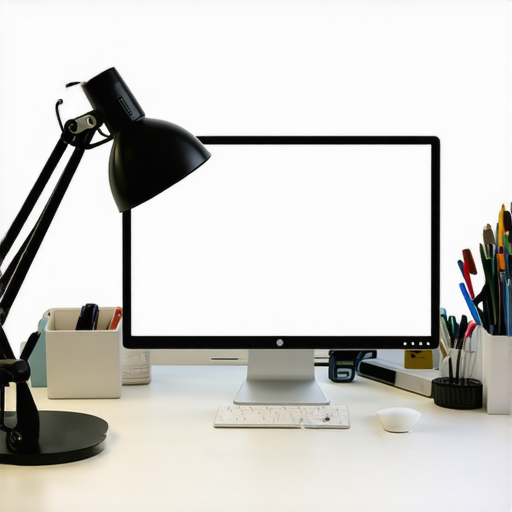
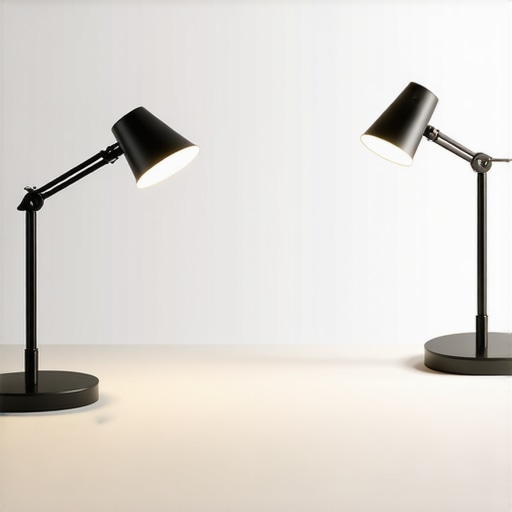
I vividly remember the moment I realized my workspace was draining my energy, not boosting my creativity. It was late afternoon, and the dim, yellowish glow from my old desk lamp struggled to keep up with the demanding tasks I faced. No matter how much I fiddled with the brightness settings, it just didn’t feel right anymore. That light was more of a burden than a boost, casting shadows on my focus and making my eyes strain. It hit me—good lighting isn’t just a luxury; it’s a necessity for productivity and well-being.
Transforming Your Workspace Lighting for Better Focus
Are you tired of flickering, inadequate lighting that leaves you frustrated? Do you often find yourself squinting or adjusting your screen because your environment isn’t conducive to work? Believe me, I’ve been there, and I’ve learned that the right combination of LED lamps and ring lights can make all the difference. In 2025, the landscape of workspace lighting is evolving rapidly, offering smarter, more energy-efficient options that enhance comfort and efficiency. Today, I’ll guide you through selecting the best lighting solutions tailored to your needs, ensuring your workspace energizes rather than exhausts.
Is All the Buzz About Ring Lights and LED Lamps Just Hype?
Here’s a mistake I made early on: I assumed that a bright light was enough, without considering the quality or how it affected my eyes or mood. It’s tempting to think that any LED lamp will do the trick, but the truth is, not all lighting is created equal. The quality of light, color temperature, and even Flicker-Free technology can significantly impact your focus and overall health. As an example, good bias lighting reduces eye strain and enhances contrast on your screen, which can improve your work stamina—something I only discovered after some costly experiments. Curious how to choose the right lighting that offers real benefits? Check out detailed guides like this [ultimate guide to desk lamps and bias lights in 2025](https://lighting.techdeskessentials.com/ultimate-guide-to-desk-lamps-bias-lights-ring-lights-in-2025) for comprehensive insights.
Pick the Right Light Source for Your Needs
Start by evaluating your workspace’s size and natural lighting. For focused tasks like editing or writing, a desk lamp with adjustable brightness and color temperature is essential. I remember choosing a sleek LED lamp with tunable settings, which allowed me to shift from cool to warm light throughout the day, reducing eye strain and maintaining alertness. Consider how much task-specific illumination you need and select a lamp that offers flicker-free, high CRI lighting to ensure colors appear vivid and natural.
Optimize Your Lighting Layout for Efficiency
Position your light sources to minimize shadows and glare. Place your LED lamp at an angle that illuminates your workspace evenly, avoiding direct light into your eyes or onto your screen. Use innovative LED lamps that feature diffuse covers to spread light seamlessly. In my setup, I installed a bias lighting strip behind my monitor, which helped reduce screen contrast and eye fatigue. Think of your lighting as layering ingredients in a recipe—it’s about balance and placement for the perfect result.
Incorporate Ring Lights for Video Clarity
If your work involves frequent video calls, a ring light can dramatically improve your appearance and environment. To get it right, adjust the brightness and color temperature to match your natural lighting—warm tones for comfort, cool for clarity. I experimented with a smaller ring light, following tips from experts to position it directly in front of me, about eye level. It eliminated shadows on my face and made my video calls look professional. Think of a ring light as a spotlight—when used correctly, it elevates your visual presence without overwhelming your background.
Utilize Bias Lighting to Enhance Focus
Bias lighting is subtle backlighting behind your monitor that reduces eye strain and improves contrast perception. In my case, a simple LED strip behind my monitor made a noticeable difference during long work sessions. To implement effectively, match the bias light’s color temperature with your workspace lighting—preferably around 6500K for daylight simulation. Check out this guide which offers practical tips. Remember, bias lighting isn’t meant to be a primary source but an enhancer of your overall lighting harmony—like a soundtrack enriching a movie scene.
Adjust and Test Regularly for Comfort
Once your lighting setup is in place, spend time experimenting with different configurations. Use dimmers and adjustable color temperatures to refine the ambiance. I once spent an afternoon rearranging my desk, changing the angle of my LED lamp and tweaking my bias lighting, which ultimately resulted in a setup where I could work comfortably from morning till late evening without fatigue. Think of this as tuning an instrument—small adjustments can produce a harmonious working environment that feels natural and minimizes stress. Remember to review your setup periodically, especially as seasons change or tasks evolve, to keep your workspace optimized for maximum productivity and comfort.Many people believe that simply adding a ring light or upgrading to an LED lamp guarantees optimal workspace lighting, but this is a misconception rooted in oversimplification. The real challenge lies in understanding the nuances and avoiding common pitfalls that even experienced users can fall into. For instance, a widespread myth is that brighter always means better; however, excessively bright lighting can cause glare and eye strain, undermining your productivity. Instead, prioritizing adjustable brightness paired with proper diffusers leads to a more comfortable and effective environment. Additionally, many overlook the importance of color temperature; choosing the right tone, such as warm or cool white, can greatly influence focus and mood. One advanced mistake is ignoring the impact of indirect lighting, which creates a balanced ambiance and reduces harsh shadows—crucial for detailed tasks. From my experience, relying solely on a ring light for video calls can also backfire; without proper positioning and dimming options, it may create unflattering reflections or uneven lighting. To avoid these traps, it’s essential to consider a layered approach, combining task lighting, bias lighting, and ambient sources tailored to your specific needs. Studies, such as those highlighted by lighting experts, confirm that a well-balanced setup enhances concentration and reduces fatigue significantly, especially during long work sessions. So, the next time you overhaul your workspace lighting, ask yourself: am I focusing only on the flashy solutions, or am I embracing the subtle, yet impactful, nuances that truly optimize comfort and productivity? If you’ve ever fallen into this trap, let me know in the comments—sharing your experience might help others rescue their workspace from the common pitfalls of improper lighting.Once you’ve invested in quality lighting equipment like a versatile desk lamp, effective ring light, or bias lighting, ensuring their longevity and consistent performance is key to maintaining a productive workspace. Regular maintenance involves simple yet crucial steps: dusting fixtures with a soft cloth to prevent dust buildup, checking for loose connections, and replacing worn-out bulbs or LEDs promptly. For electronic components, consider using software tools to monitor power consumption and performance, preventing overheating or malfunction. Many LED lamps come with adjustable settings; periodically recalibrating these ensures optimal brightness and color temperature tailored to your evolving needs. In the future, expect advancements like smart lighting systems that automatically adjust based on ambient light or time of day, reducing manual intervention and supporting your productivity seamlessly. How do I keep my lighting tools working seamlessly over time? I recommend establishing a routine maintenance schedule—monthly dusting, yearly hardware checks, and keeping firmware or software up to date when applicable. My personal favorite is a dedicated cleaning kit with compressed air and microfiber cloths, which keeps dust and fingerprints at bay without damaging sensitive components. Remember, consistent care extends the lifespan of your lighting investment and preserves the quality of illumination, crucial for sustained focus. A tip I swear by is integrating smart plugs or timers that automate turning lights on or off, saving energy and preventing accidental neglect. For more insights on maintaining modern workspace lighting, check out this detailed guide on [workspace lighting maintenance](https://lighting.techdeskessentials.com/workspace-lighting-transform-your-office-with-modern-led-solutions). Regularly adjusting and testing your setup ensures you reap the full benefits of your high-quality equipment long-term. Don’t hesitate to experiment with different brightness levels or color temperatures during your routine checks—small tweaks can significantly enhance your comfort and focus. Give this a try today and see how a little proactive maintenance can keep your workspace shining bright and working flawlessly for years to come. 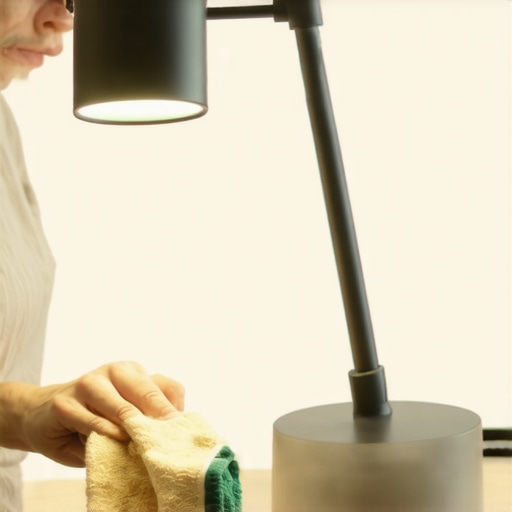
Three Surprising Truths I Learned About Workspace Lighting
- Overly Bright Isn’t Always Better: I used to think cranking up the brightness was the way to go, but I realized that glare and eye strain actually hinder productivity. Adjustability and diffusers are game-changers, creating a comfortable environment that keeps me focused without discomfort.
- Color Temperature Shapes Your Mood: Warm lights felt cozy, but for tasks requiring alertness, cool white tones made all the difference. Balancing these tones depending on the time of day significantly improved my energy levels and focus.
- Layering Lights Enhances Comfort: Combining task lighting, bias lighting, and ambient sources creates a harmonious setup. This layered approach minimizes shadows and reduces fatigue, turning my workspace into a sanctuary of efficiency.
My Personal Arsenal for Bright Workspace Success
- Ultimate Guide to Desk Lamps and Bias Lights in 2025: This comprehensive resource helped me select adjustable, flicker-free LED lamps and bias lighting that align perfectly with my needs.
- Top Bias Lighting Ideas for a More Comfortable Home Office: I trust this for innovative tips on enhancing contrast and reducing eye strain, making long work sessions more bearable.
- Effective Desk Lighting Techniques: This resource offers actionable advice on positioning and layering lights, which transformed my workspace into a balanced lighting haven.
Let Your Workspace Shine Bright—and Your Skills
“
Embracing the nuances of workspace lighting isn’t just about comfort—it’s about unlocking your full productivity potential. As lighting technology keeps evolving, the possibilities to customize your environment for maximum efficiency are endless. Don’t wait to experiment with different combinations, and remember, small adjustments can lead to big improvements. Your perfect workspace lighting setup is within reach, and it’s a shining testament to how thoughtful design impacts our daily lives.
“
What’s the biggest challenge you’ve faced when trying to improve your workspace lighting? Share your experience below—your insights might inspire someone else to find their own perfect light.
**

Reading this post truly resonated with my own experience. I used to rely on basic LED desk lamps, thinking they were enough, but I quickly realized that not all lights are created equal—especially for long work sessions. The part about layering lighting and considering color temperature was a game-changer for me. I’ve started incorporating bias lighting behind my monitor, which has noticeably reduced eye fatigue and improved my focus over the day. It’s impressive how subtle adjustments, like position and brightness, can make such a difference. One thing I’ve found helpful is using smart dimmers to automate changes based on time or task, creating a more dynamic environment. Have any of you experimented with automated lighting? What little tricks have made your workspace more comfortable and productive? I’d love to hear how others optimize their lighting setups for different tasks or times of day.
This post really hits home for me. I’ve been experimenting with different lighting setups, and I agree that layering lights makes a huge difference. The emphasis on color temperature and flicker-free LEDs is something I’ve overlooked in the past, but it’s definitely worth paying attention to. I recently added a bias lighting strip behind my monitor, and the reduction in eye strain was noticeable. What surprised me was how much positioning plays a role—getting the light at the right angle and height took some trial and error but really paid off. I’m curious, how do others balance ambient, task, and accent lighting to get that perfect harmony? Also, with more remote work, I wonder if integrating smart lighting controls could help automate and optimize our setups throughout the day. Would love to hear anyone’s experience or tips on fine-tuning this!” ,
I really appreciated the emphasis on layering lights in this post. It’s a game-changer for anyone working long hours at their desk. I recently upgraded my setup, adding a dimmable LED desk lamp with adjustable color temperature and a bias lighting strip behind my monitor. The difference in eye comfort and screen visibility is remarkable. One thing I’ve noticed is that the positioning of these lights can be tricky—especially the bias lighting. Getting the right angle to avoid glare and reflections made a huge difference. I also started experimenting with smart lighting controls that sync with my work schedule, which automates brightness adjustments throughout the day. Has anyone tried integrating smart technology in their workspace lighting? I’d love to hear about what works or what pitfalls to avoid. Creating an effective and comfortable lighting environment really boosts productivity and reduces fatigue into the long hours—it’s worth experimenting with different setups!