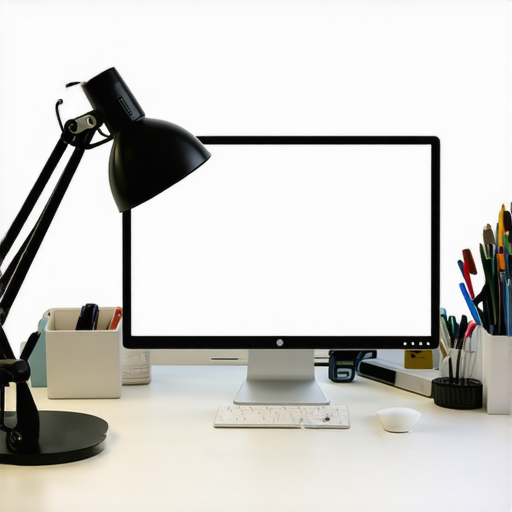
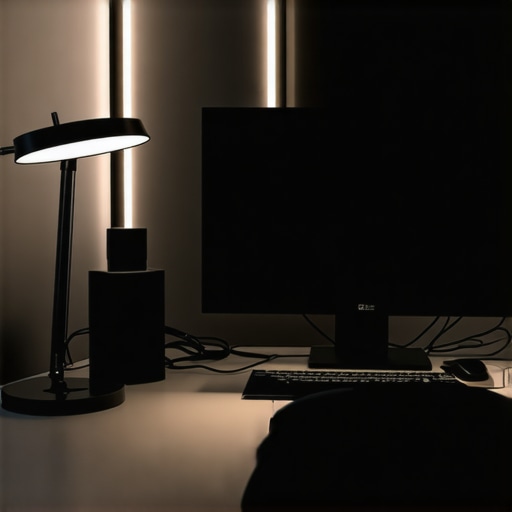
Ever found yourself squinting at your computer screen, feeling the glare burn into your eyes, or worse, struggling to focus because of the poor lighting in your home office? I sure have. There was a time when I thought a simple desk lamp would do the trick, but my productivity and comfort suffered more than I realized. It was only after a frustrating series of eye strain and headaches that I discovered the transformative power of proper workspace lighting—specifically, bias lighting and modern desk lamps designed for 2025’s home offices.
Why Paying Attention to Your Office Lighting is More Important Than Ever
In 2025, our work environments continue to evolve, many of us working remotely or in hybrid setups. The right lighting isn’t just about making your space look good; it directly impacts your health, productivity, and overall well-being. Poor lighting can contribute to eye fatigue, headaches, and even disrupt your sleep patterns. According to a study published by the Lighting Research Center, bad lighting can reduce your alertness and productivity by up to 40%. That’s a staggering number, and it made me realize I’d been neglecting one of the simplest ways to improve my workspace.
Early on, I made a critical mistake—assuming that brightness alone would suffice. I cranked up my overhead lights and thought I was set. But all I got was glare, shadows, and a constant feeling of discomfort. It was a rookie move, and I quickly learned that effective workspace lighting requires a layered approach, combining ambient, task, and accent lighting. That’s precisely what this guide aims to help you master, so you can avoid the same pitfalls and create a workspace that’s not only efficient but comfortable and healthy.
Is Fad Lighting Just a Waste of Money?
Many folks worry that investing in bias lighting or specialized desk lamps might be unnecessary or expensive. I was skeptical too, until I realized that the right lighting could actually save you money in the long run by preventing eye strain and reducing fatigue. Plus, with the latest innovations in LED technology—most notably, those highlighted on this resource—you can achieve professional-grade illumination without breaking the bank. I once bought an overpriced lamp that flickered constantly, just to learn that smarter, energy-efficient options are out there, designed explicitly for modern workspaces. So, don’t dismiss this as a luxury—think of it as an investment in your well-being and work efficiency.
Ready to discover the best ways to light up your workspace effectively? Let’s dive into the practical steps you can take today to transform your home office into a bright, inviting, and productive environment.
Layer Your Lighting for Comfort
Start by dividing your lighting setup into three layers: ambient, task, and accent lighting. Use a combination of ceiling fixtures or smart bulbs for overall brightness, task lamps for focused work near your keyboard, and bias lighting behind your monitor to reduce eye strain. I once replaced my harsh overhead lights with a warm-toned LED ceiling lamp and added a small, adjustable desk lamp. Initially, it looked cluttered, but the difference in comfort was immediate, and my headaches decreased significantly.
Choose the Right Desk Lamp
Match Your Needs with the Correct Features
Select a desk lamp that offers adjustable brightness and color temperature. For example, a lamp with tunable white light allows you to switch from cool white for detailed tasks to warm white for relaxing breaks. I found that automatically adjusting brightness based on the time of day helped maintain alertness. Visit this guide for a comprehensive comparison of top desk lamps for 2025.
Implement Proper Placement
Position your lamp to minimize glare on your screen and avoid casting shadows. A good rule is to place the lamp on the opposite side of your dominant hand, with the light shining towards your workspace. I experimented with different angles until I found a setup that reduced reflections and worked well for long hours. Remember, a poorly placed lamp can cause more strain than good.
Harness Ring Lights and LED Innovations
Ring lights aren’t just for filming; they can evenly illuminate your face during video calls, reducing shadows and enhancing visibility. For workspace lighting, consider an adjustable ring light with dimming features, like those discussed here. I tried a compact ring light and positioned it slightly above my monitor. The result was a clear, professional appearance on video and a balanced overall light in my room.
Adopt Modern LED Technology
Invest in energy-efficient LED lamps with smart controls. LED technology has advanced to include features like flicker-free operation, customizable color temperatures, and remote control via apps. I replaced my old incandescent bulbs with innovative LED lamps that adapt to my work schedule. This not only improved lighting quality but also reduced power bills and eye fatigue over time.
Fine-Tune with Color and Brightness Settings
Adjust the color temperature to match your activity: cooler light for focus, warmer tones for relaxation. Brightness should be sufficient without creating glare—test your setup by working for an hour and adjusting until the light feels natural. I found that a small dial on my desk lamp made frequent adjustments easy, keeping my eyes comfortable during intense work sessions.
Experiment and Personalize Your Setup
Combine different lighting sources and configurations until you find what works best for you. Take notes on what reduces eye strain and boosts alertness. I once used a makeshift combination of a clip-on lamp, overhead light, and bias lighting, which seemed chaotic but ultimately created a balanced environment. Remember, the goal is to make your workspace feel inviting and functional—real change often begins with small tweaks.
Even seasoned enthusiasts often get blindsided by subtle misconceptions about bias lighting, workspace lighting, ring lights, LED lamps, and desk lamps. A common myth is that brighter always equals better—many believe cranking up the brightness will reduce eye strain, but in reality, excessive illumination can lead to glare and discomfort, negating any benefits. Instead, understanding the nuanced balance of light intensity and color temperature is crucial; for example, warmer tones tend to relax the eye, while cooler ones boost alertness, as supported by research from the Lighting Research Center.
Let’s also address a frequent mistake: failing to consider the placement and angle of your lighting fixtures. Improper positioning of desk lamps or ring lights can cause unwanted shadows or reflectivity on screens, leading to increased eye fatigue and headaches. Advanced users know that adjustable arms with precise tilt controls can prevent these issues, but many overlook this detail, opting instead for fixed or suboptimal angles.
Furthermore, many underestimate the importance of layered lighting. Relying solely on a desk lamp or overhead light might seem sufficient, but it often results in uneven illumination that can strain your eyes. Integrating ambient, task, and accent lighting creates a harmonious environment—this is why many top-rated setups combine multiple sources, as detailed in this comprehensive guide.
A sophisticated aspect that confuses many is the role of bias lighting behind monitors. While it reduces eye strain in theory, improper bias lighting can inadvertently cause color distortion on your screen or increase contrast, which might worsen discomfort over time. The key is selecting bias lights with adjustable brightness and color temperature, tailored to your specific monitor and workspace conditions. For precise recommendations, see this expert resource.
Addressing advanced concerns, some believe that LED technology alone guarantees optimal lighting. In practice, the quality and flicker rate of LEDs play a crucial role. Cheap LED lamps may flicker at frequencies below human perception but still cause visual fatigue and headaches with prolonged use. Investing in flicker-free LED lamps with high CRI (Color Rendering Index) ensures more natural lighting, which is vital for extending concentration and reducing eye strain. For top-tier options, visit the latest LED innovations.
In my experience, understanding these nuances has dramatically transformed my workspace, but the biggest trap to avoid is assuming one-size-fits-all solutions work universally. Always customize your setup based on your unique environment, tasks, and sensitivity. Adjusting color temperature, placement, and layering has made a measurable difference in my comfort and focus. Have you ever fallen into this trap? Let me know in the comments.
Maintaining an optimal lighting setup in your home office isn’t a one-and-done task; it requires intentional tools, regular upkeep, and strategic adjustments to sustain long-term benefits. As technology advances, so do the solutions that help keep your workspace lighting effective and efficient. Personally, I rely on a combination of smart LED controllers and dedicated app-based management tools that seamlessly integrate with my existing setup, allowing me to fine-tune brightness and color temperature with precision and ease. These tools ensure my lighting remains ideal, whether I’m deep in concentration or taking a well-deserved break.
For example, I use a smart LED lamp compatible with home automation systems, which I automate based on my daily schedule. This not only conserves energy but also adjusts lighting conditions to match my circadian rhythm, reducing eye strain over months of consistent use. I recommend exploring the latest LED innovations to find energy-efficient, flicker-free options that integrate smoothly with your existing environment. Investing in quality, programmable lighting is crucial for durability and ensuring your setup adapts over time without becoming obsolete.
Alongside hardware, maintaining your lighting system involves periodic cleaning and calibration. Dust and grime on lamps or ring lights can diminish illumination efficiency, forcing you to increase brightness unnecessarily and potentially cause glare. I set monthly reminders to wipe my fixtures and verify that the color temperature and brightness settings remain aligned with my preferences. If your lighting uses smart controls, updating firmware regularly is essential to access new features and security improvements. Following the manufacturer’s instructions for firmware updates prevents compatibility issues that could compromise your lighting quality.
In the future, I’d predict a growing integration between AI-driven lighting systems and your daily productivity patterns. Imagine a setup that automatically adjusts to your work phases or even mood, based on sensors detecting your focus level or eye fatigue. It’s an exciting direction that promises to make workspace lighting even more intuitive and beneficial.
How do I maintain my bias lighting and desk lamps for long-term results?
Consistent maintenance begins with selecting tools like adjustable, flicker-free LED fixtures, and keeps going through diligent cleaning, firmware updates, and adaptive automation. Monitoring your lighting’s performance and making small adjustments can prevent issues before they turn into discomfort or damage. Try scheduling monthly reviews of your setup—test the lighting at different times of day, verify the color consistency, and ensure your controls respond promptly. Over time, this proactive approach not only prolongs the lifespan of your equipment but also preserves the health and productivity benefits you seek from optimal workspace illumination.
Remember, your lighting system is as much about ongoing care as it is about initial setup. For further tips or personalized advice, feel free to reach out via this contact page. Don’t forget: a well-maintained lighting environment is the foundation of a productive, healthy workspace—so stay attentive and adapt your tools as needed. Start by trying an adjustable, flicker-free LED lamp with smart controls; it’s a small investment that yields consistent, significant benefits over time.
The Hardest Lesson I Learned About bias lighting, workspace lighting, ring light, led lamp, desk lamp
One of my biggest surprises was realizing that simply increasing the brightness of my desk lamp didn’t always reduce eye strain—in fact, it often made it worse. I used to think more light meant better focus, but that misconception led to glare and discomfort. The breakthrough came when I understood that layered lighting and proper placement could dramatically improve my comfort and productivity. It taught me that quality, adjustable lighting tailored to my needs beats sheer intensity every time.
3 Myths About bias lighting, workspace lighting, ring light, led lamp, desk lamp That Held Me Back
First, I believed that expensive lighting meant better results, but affordable, well-designed LED lamps with smart controls often outperform pricier options. Second, I thought brightness alone was enough; instead, adjusting color temperature and layering my lights made a bigger difference. Third, I assumed all bias lighting was a luxury—turns out, it’s a health essential, especially for long hours in front of screens. Busting these myths helped me create a workspace that balances comfort and efficiency effectively.
What Experts Won’t Tell You About bias lighting, workspace lighting, ring light, led lamp, desk lamp
Many professionals keep quiet about the significance of proper light layering and placement, often focusing only on aesthetics. What they don’t tell you is that the right combination of ambient, task, and accent lighting can prevent eye fatigue and even improve your mood. Additionally, experts emphasize investing in flicker-free, high-CRI LED lamps with adjustable color temperatures, which many overlook. These insights transformed my understanding and application of workspace lighting, making a tangible difference in my daily productivity.
Curated Gems for Brightening Up Your Office Life
- Smart LED Lamps with App Control: I trust brands that offer flicker-free, energy-efficient LED lamps compatible with smartphones. Their adaptability allows me to customize my workspace lighting, aligning with my natural rhythms.
- Adjustable Ring Lights: For video calls, I rely on ring lights that diffuse light evenly and reduce shadows. They’ve become an essential tool for maintaining a professional appearance without eye strain.
- In-Depth Guides on Light Selection: Resources like this guide helped me understand the nuances of choosing the perfect desk lamp, from brightness to color temperature, ensuring my setup adapts to different tasks and times of day.
- Innovative Bias Lighting Reviews: Recognizing bias lighting’s benefits was a game-changer, but selecting quality options mattered. I recommend checking out carefully curated reviews on this resource for tips on finding the best bias lighting for long-term health.
Light Your Future—Act Now for a Brighter Tomorrow
Your home office lighting setup has the potential to transform your work experience, but it starts with taking action today. By experimenting with layered lighting, investing in quality LED fixtures, and personalizing your environment, you can enjoy sustained comfort and productivity. Remember, the key lies in continuous refinement—small adjustments can lead to big improvements over time. So, why not start with a flicker-free, app-controlled LED lamp and see how it changes your workday for the better? Your brighter, healthier workspace awaits—embrace it now, and watch your productivity flourish.
What’s the biggest lighting challenge you’ve faced in your workspace? Share your experience below, and let’s work together to shed light on solutions that make a real difference.
,

About the Author
Ricardo Vargas
Director of Operations and Product Development
Ricardo Vargas is a seasoned professional in the lighting industry, currently serving as a Director of Operations and Product Development
LinkedIn Profile
Reading this guide really highlights how much the right lighting impacts not just our comfort but our overall health while working from home. I’ve also found that implementing layered lighting — combining ambient, task, and bias lighting — makes a noticeable difference in reducing eye fatigue over long work sessions. What I’ve learned is that placement is key; even a small adjustment in the angle of my desk lamp has made my screen reflections much less bothersome, leading to fewer headaches. I’m curious, how do others find the optimal color temperature for different work tasks? Do you switch between warmer and cooler tones depending on the time of day or task type? I’d love to hear your strategies to tailor lighting for maximum comfort and productivity.