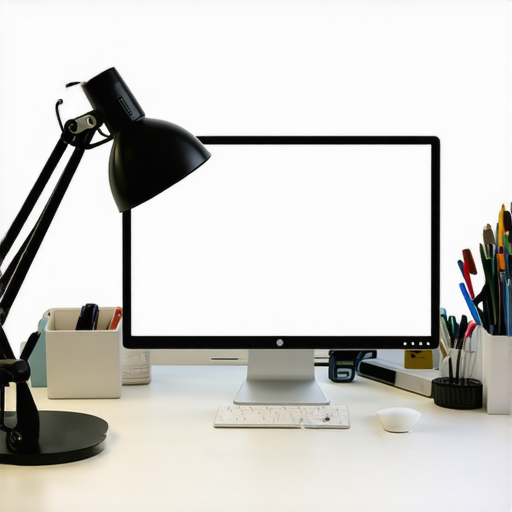

There was a moment I won’t forget—sitting at my cluttered desk late at night, the glow from my tiny, flickering desk lamp casting uneven shadows across my workspace. Frustration bubbled up as I fumbled with cords, trying to get the lighting just right, only to be disappointed again and again. It struck me then—lighting isn’t just about visibility, it’s about creating an environment that fuels focus, boosts mood, and makes work less of a struggle. I realized I wasn’t alone in this struggle; many of us try to make do with inadequate lighting, unaware that a simple upgrade can transform our entire workspace.
So, today, I want to help you avoid the common pitfalls I faced. We’ll explore the ins and outs of choosing the perfect ring light, desk lamp, or bias lighting solution that can turn your workspace from drab to fab. Whether you’re working from home, streaming, or creating content, the right lighting is your secret weapon.
Why Proper Workspace Lighting Makes All the Difference
Ever wonder why some videos look crisp and professional while others are grainy or poorly lit? Bright, even illumination can dramatically enhance your productivity and even your mood. According to a study published in the Journal of Environmental Psychology, good lighting reduces fatigue and increases concentration. Yet, many of us underestimate the power of proper lighting, sticking to outdated or insufficient options that dull our motivation.
When I first experimented with my setup, I made the mistake of relying solely on overhead fluorescents—harsh, unflattering, and hard on the eyes. That was a rookie error I soon corrected by upgrading to a combination of ring lights and adjustable desk lamps, which offered personalized control over brightness and color temperature. This change made everything feel more vibrant and inviting, and my work improved as a result.
If you’ve ever faced the frustration of poor lighting, you’re not alone. Perhaps you’ve tried to improve your setup, only to feel overwhelmed by too many options or unsure which features truly matter. That’s exactly what we’re going to unravel together. By the end of this guide, you’ll understand how to select effective lighting solutions tailored to your unique needs. Curious whether investing in a ring light or bias lighting could be worth it? Let’s dive deeper and find out.
Is the Hype Around Ring Lights and Desk Lamps Justified?
Early on, I made the mistake of dismissing certain lighting options as mere trends. But dismissing their benefits meant I wasted research time and money on products that didn’t deliver. The truth is, the right lighting enhances video quality, reduces eye strain, and even impacts your productivity positively. To get the lowdown on what works, I recommend checking out detailed guides like this comprehensive review of desk lamps and bias lighting.
Now that we’ve established why, let’s explore how you can build a lighting setup that truly works for you. The secret starts with understanding your space, needs, and budget. Ready to get your workspace shining brighter? Let’s proceed with practical advice on choosing and setting up your ideal lighting system.
Assess Your Workspace Environment
Start by evaluating your current lighting. Take note of natural light sources—windows, doorways—and existing artificial lights. I once set up my desk without considering how daylight changed throughout the day. On a cloudy afternoon, my workspace looked dull, and I struggled to see clearly. Recognizing these variations helps you identify gaps and opportunities for improvement.
Identify Your Specific Lighting Needs
Determine what tasks require optimal lighting. Are you performing detailed work, streaming videos, or creating content? For example, I realized I needed closer, adjustable light sources when editing photos. This insight guided me to choose task-specific lighting like a flexible desk lamp that I could direct precisely where needed.
Choose the Right Light Sources
Pick a Desk Lamp for Focused Illumination
Select a lamp with adjustable brightness and color temperature. A good example is my experience with a lamp featuring a flexible arm, allowing me to tailor light direction. This flexibility meant less eye strain and better focus during long sessions. Check out this guide to find the best fit for your needs.
Consider LED Innovations for Brightness and Energy Efficiency
Invest in energy-efficient LEDs that emit consistent, flicker-free light. I upgraded from incandescent bulbs to LEDs, noticing a sharper, more comfortable glow that didn’t heat up my workspace. Discover the latest LED innovations to maximize your setup.
Integrate Layered Lighting for Balance
Create a layered approach: combine ambient, task, and accent lighting. I added a bias light behind my monitor to reduce eye strain and improve contrast, which you can learn more about at this article. This layering prevented harsh shadows and fostered a cozy atmosphere.
Adjust and Fine-Tune Your Setup
Once installed, experiment with positioning and intensity. I initially placed my lamp too high, causing glare. After repositioning it at eye level with a softer glow, work became noticeably more comfortable. Use dimmers and adjustable fixtures to fine-tune lighting conditions, ensuring they adapt to your tasks and time of day. Regular adjustments prevent your setup from becoming static and inefficient.
Leverage Specialized Lighting for Enhanced Effects
If you create videos or participate in conference calls, ring lights can dramatically improve your video quality. I tried a ring light that softened shadows and highlighted my face—making my streams look professional. Explore these hacks to optimize your ring light use.
Remember, effective workspace lighting isn’t a one-time setup. Regular review and adjustment ensure your environment remains comfortable, productive, and visually appealing. By systematically evaluating and upgrading your lights, you set the stage for better focus, higher productivity, and a more inviting space.
Many assume that choosing a desk lamp, LED light, or ring light is straightforward—just pick the most powerful bulb or the trendiest design. However, as an expert who has tinkered extensively with workspace setups, I can tell you there’s more beneath the surface. A common myth is that brighter always equals better. In reality, excessive brightness can cause glare and fatigue, especially if the light spectrum isn’t appropriate for your tasks. Opting for high lumen counts without considering color temperature or glare risks making your workspace uncomfortable and inefficient.
Why do so many get blindsided by light quality and ignore the nuances? Let’s dig deeper.
One major mistake I’ve seen many make is focusing solely on the aesthetics or wattage, neglecting how different lights interact with natural light and other fixtures in your environment. This oversight can diminish the benefits of even the most expensive setup. For instance, a popular misconception is that ring lights are only useful for photography or content creation. But, when correctly integrated with bias lighting, they can significantly reduce eye strain and improve contrast, making your overall workspace healthier and more productive. To truly optimize your lighting, it’s crucial to understand the hidden factors—like spectral quality, placement, and layered lighting—that affect your environment’s comfort and effectiveness. An article I recommend exploring is the comprehensive guide on [workspace lighting transformations](https://lighting.techdeskessentials.com/workspace-lighting-transform-your-office-with-modern-led-solutions). It dives into nuanced strategies that go beyond basic setups. Remember, the key isn’t just light—it’s smart light. So next time you shop for a desk lamp or ring light, ask yourself: Am I considering how this light interacts with my space, my eyes, and my tasks? If not, you might be missing out on a simple upgrade that could dramatically impact your productivity and well-being. Have you ever fallen into this trap? Let me know in the comments.Maintaining your workspace lighting setup is crucial to ensure consistent performance and avoid unnecessary replacements. One of the most effective ways to preserve your LED lamps and ring lights is regular cleaning. Dust, fingerprints, and pet hair can accumulate on lens surfaces, diminishing brightness and color accuracy. I personally schedule a quick wipe-down of my lights every month using a soft microfiber cloth and a gentle screen cleaner, which keeps the light crisp and vibrant. For more technical details on LED longevity, I recommend checking this resource that explores energy-efficient lighting care.
Lessons That Brightened My Perspective
One of the most valuable insights I gained was realizing that not all lights are created equal—sometimes, a dim or poorly placed lamp can do more harm than good, leading to eye strain and fatigue. I learned that focusing on spectral quality and glare reduction made a noticeable difference in my comfort and productivity.
Another surprise was discovering how layering different types of lighting—ambient, task, and accent—could transform a dull space into an energizing environment. This approach isn’t just about aesthetics; it’s about creating a balanced luminance that adapts to my needs throughout the day.
I also found that regular maintenance, such as cleaning lenses and adjusting brightness, sustains the benefits of my setup. Small routine tweaks can prolong the lifespan of quality lighting and ensure consistent performance.
Finally, I understood that investing thoughtfully in lighting isn’t just a comfort upgrade—it’s a productivity booster. Prioritizing your lighting choices can unlock new levels of focus and creativity you might not have realized were possible.
Tools and Resources That Made a Difference
My go-to resource is the comprehensive guide on workspace lighting transformation. It offers practical tips on selecting and arranging lighting for optimal impact, based on real-world experience.
For choosing the perfect desk lamp, I trust the latest expert advice. It helped me understand how adjustable features and color temperature influence focus and comfort.
When exploring advanced lighting options like bias and accent lights, I refer to industry insights and reviews, such as these curated articles. They’re invaluable for making informed choices tailored to your workspace.
Lastly, I recommend engaging with dedicated forums and communities on lighting solutions—sharing experiences and troubleshooting tips has been a game-changer for me in maintaining an efficient setup.
Ignite Your Workspace Today
If you’re ready to elevate your workspace lighting, remember that it’s not about buying the most expensive gear but about understanding what genuinely enhances your environment. Small adjustments can create a ripple effect, boosting your mood and productivity in ways you didn’t expect. So, what’s one lighting change you’re excited to try first? Share your plans below and let’s brighten each other’s days!

About the Author
Ricardo Vargas
Director of Operations and Product Development
Ricardo Vargas is a seasoned professional in the lighting industry, currently serving as a Director of Operations and Product Development
LinkedIn Profile