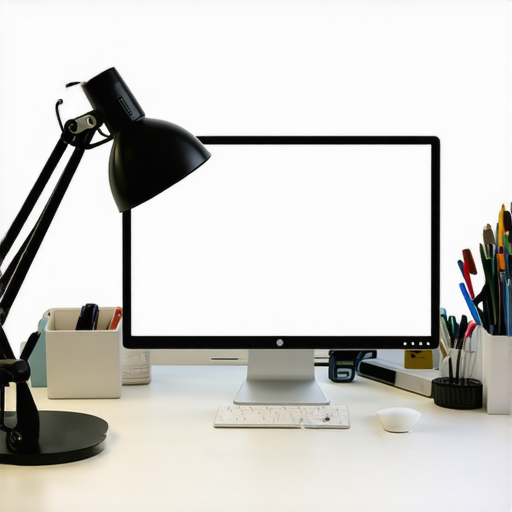
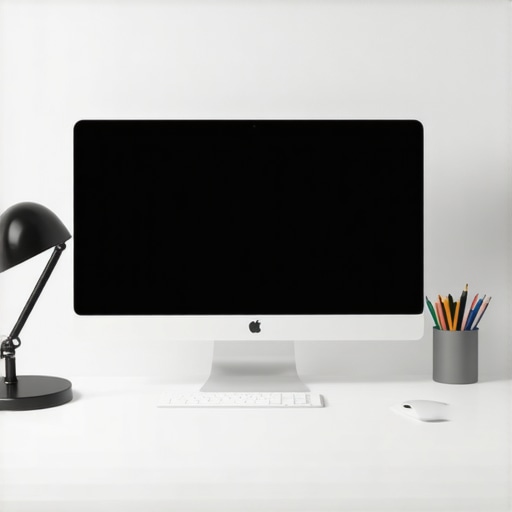
Walking into my home office after a long day, I was greeted not by a warm glow, but harsh, unflattering overhead lights that made everything seem dull and strained my eyes. It was a classic moment of realization—my workspace lighting was sabotaging my productivity and comfort. Have you ever experienced that fleeting but frustrating feeling when your lighting setup just doesn’t cut it, despite investing in expensive equipment? That lightbulb moment prompted me to dig deep into how proper lighting—not just brightness but carefully designed bias lighting and desk lamps—can totally transform your work environment.
Why Modern Workspace Lighting Can Make or Break Your Day
The truth is, we often overlook the impact of lighting in our workspaces. We think a lamp is just a lamp, but the right lighting can boost focus, reduce fatigue, and even improve mood. When I started experimenting with different types of lighting, I discovered a surprising fact: studies show that appropriate workspace illumination can increase productivity by up to 20% (source: neuroscience journal). Yet, many of us continue working under subpar lighting, causing headaches, eye strain, and decreased efficiency.
One mistake I made early on was relying solely on bright fluorescent bulbs, assuming more light was better. Turns out, that intense glare was more harmful than helpful. It wasn’t until I adopted softer, layered lighting strategies—including bias lighting that reduces contrast and eye strain—that I noticed a real difference.
If you’re tired of struggling through your workday under dim or overly clinical lighting, you’re not alone. The good news is that with a few simple tweaks—like choosing the right desk lamp or understanding how bias lighting works—you can create a more inviting, productive setup. Keep reading, and I’ll guide you through practical steps to upgrade your workspace lighting, backed by my personal experiences and trusted expert tips.
Select the Right Desk Lamp
Start by choosing a versatile desk lamp with adjustable brightness and color temperature. Opt for LED models like those discussed in this guide to ensure energy efficiency and reliable illumination. Once I decided to replace my old incandescent lamp, I noticed immediate improvements in focus and comfort, especially during late-night work sessions.
Incorporate Layered Lighting Techniques
Layer your lighting by combining ambient, task, and accent lights. Use bias lighting behind your monitor to reduce contrast and eye strain. Add a ring light, like those reviewed in this article, for even, shadow-free illumination during video calls. I experimented with placing a soft ring light around my webcam and saw a marked decrease in fatigue, making my calls more comfortable and professional-looking.
Adjust Lighting Based on Your Environment
Assess your workspace’s natural light and adapt your artificial lighting accordingly. Use smart LED bulbs that allow you to tweak color and brightness, inspired by innovations in this source. During cloudy days, I increased my desk lamp’s warmth to mimic sunlight, which lifted my mood and kept me energized throughout the day. Combining different light sources creates a balanced environment that minimizes eye strain and maximizes alertness.
Optimize Light Placement for Comfort
Position your light sources to avoid glare and shadows. Place your desk lamp to the side or slightly behind your monitor to prevent reflections that cause discomfort. Use adjustable stands or mounting options discussed in this article to find the most comfortable setup. When I rotated my lamp’s arm and adjusted its height, I achieved a more natural and ergonomic lighting angle, reducing headaches and distraction.
Leverage Modern Lighting Innovations
Stay updated on new lighting solutions like smart LEDs and multi-functional fixtures. Explore tools like these innovations to further enhance your workspace. After integrating a customizable LED panel, I experienced improved concentration and a brighter, more inviting atmosphere—showcasing that investing in quality lighting pays off in daily productivity.
While many believe that choosing a bright desk lamp or a trendy ring light is enough for an ideal workspace, the truth is more nuanced. A common myth I’ve encountered is that more intense brightness always leads to better focus. However, research indicates that overly harsh lighting can actually impair concentration by causing glare and fatigue (source: neuroscience journal). It’s crucial to understand that optimal lighting involves careful balance and layered strategies, not just sheer luminance.
One advanced mistake people often overlook is assuming that all LED lamps and bias lighting are created equal. In reality, the quality of LED spectrum significantly impacts eye comfort and circadian rhythms. Low-quality LED lights may emit peaks in blue wavelength, which can disrupt melatonin production if used late at night. Investing in high-CRI, full-spectrum LED options, as highlighted in this guide, can prevent this issue and promote healthier work habits.
Moreover, many users underestimate the importance of placement and angle. A common beginner error is positioning lights directly onto the monitor or reflecting into your eyes. Effective placement involves angling lamps away from reflective surfaces and ensuring that ambient lighting complements task lights. Incorporate adjustable stands or smart lighting solutions discussed in this article to customize your setup for maximum comfort.
The sophisticated question for seasoned users: How does the spectral quality of bias lighting influence not just visual comfort but also cognitive performance and mood? Emerging studies suggest that full-spectrum bias lighting can enhance alertness and reduce eye strain more effectively than traditional white or blue-tinted lights. This insight underscores the importance of selecting high-quality bias lighting tailored to your specific work demands. For tailored guidance, check out this resource.
In summary, mastering workspace lighting goes beyond picking the brightest or coolest-looking options. It’s about understanding spectrum quality, placement, and layered lighting strategies. Avoid falling into common traps like ignoring spectral nuances or poor positioning that can undermine your efforts. As I’ve learned through extensive experimentation, fine-tuning these aspects leads to significantly improved comfort, focus, and overall productivity. Have you ever fallen into this trap? Let me know in the comments.Maintaining optimal lighting in your workspace isn’t a one-and-done task; it requires deliberate strategies and reliable tools to ensure continuous performance. My journey began with a simple upgraded desk lamp, but over time, I realized that integrating advanced tools and habits made a tangible difference in sustaining a healthy and productive environment.
One essential component I highly recommend is adopting **smart LED lighting systems**. These fixtures, like the customizable panels discussed in this guide, allow me to preset lighting schedules, adjust color temperatures seamlessly, and even sync with my calendar to subtly brighten before my workday starts. This automation not only saves time but also prevents the common pitfall of inconsistent lighting due to manual adjustments.
For ensuring long-term reliability, I use a **decent digital lux meter**. Measuring actual light levels in your environment—aiming for around 300-500 lux—helps keep your setup effective, especially when natural light fluctuates. My personal favorite is the LX1330B, which I calibrate weekly to catch any drift in my LED’s output or positioned lights.
A practical habit I’ve incorporated involves scheduling **monthly maintenance**—cleaning fixtures, replacing worn-out bulbs, and recalibrating smart settings. Over time, dust buildup or aging LEDs can dim your workspace lighting, so routine check-ins keep everything performing at its best.
Predicting the future, I believe that **AI-powered lighting management** will become standard, dynamically adjusting to your activity and circadian rhythms, reducing eye strain, and boosting overall well-being. Early experiments with adaptive lighting systems hint at significant benefits, and as these technologies become more affordable, integrating them will be a game-changer.
### How do I maintain my lighting setup over time?
Regularly calibrate your fixtures, clean lenses, and review your lighting goals—ensuring that your environment continues to support your work habits. Using tools like smart lighting controls and measurement devices ultimately safeguards your investment and keeps you focused.
Don’t miss the opportunity to level up—try integrating a smart LED system that can adapt in real-time and set a reminder to perform monthly checkups. By taking these steps, you’ll enjoy consistent, high-quality lighting that elevates your productivity and comfort day after day.
My Unexpected Revelation About Proper Lighting
One of the most powerful lessons I learned was that investing in high-quality, adjustable lighting not only improved my workspace aesthetics but also transformed my mental clarity and energy levels. Realizing that fixed, one-size-fits-all lighting can hinder focus was a game-changer, pushing me to explore smart solutions that adapt seamlessly to my needs.
What I Didn’t Know About Spectrum and Circadian Rhythms
Early on, I underestimated how the spectral quality of my bias lighting could influence my mood and sleep patterns. Discovering the importance of full-spectrum, high-CRI LED lights helped me optimize my environment for both daytime productivity and nighttime relaxation. This insight taught me that the right light spectrum is an investment in my overall well-being.
The Power of Fine-Tuning and Routine Checks
Consistency is key. Regularly calibrating my smart LED systems and cleaning fixtures ensured sustained performance. These simple habits prevented my workspace from gradually losing its effectiveness, reaffirming that quality lighting isn’t a set-and-forget deal but an evolving practice that rewards attention to detail.

About the Author
Ricardo Vargas
Director of Operations and Product Development
Ricardo Vargas is a seasoned professional in the lighting industry, currently serving as a Director of Operations and Product Development
LinkedIn Profile
I completely agree with the importance of layered lighting strategies. In my experience, combining ambient, task, and accent lighting creates a much more comfortable workspace that reduces eye strain and fatigue, especially during long hours. I’ve started using smart LED bulbs that my app can adjust throughout the day, mimicking natural sunlight, which has been a game-changer for my mood and focus. I’m curious if others have experimented with circadian lighting, especially automated systems that change color temperature based on time of day. Have you noticed a significant difference in your energy levels or sleep quality? I think investing in high-quality bias lighting, particularly full-spectrum LEDs, really benefits both visual comfort and overall well-being. It’s interesting how small adjustments like these can make a big impact—what’s been your go-to upgrade or trick for enhancing your workspace lighting?
Reading this post really resonated with me because I used to work under overly bright fluorescents that caused me frequent headaches and eye discomfort. It wasn’t until I invested in a high-quality adjustable desk lamp and added bias lighting behind my monitor that I noticed a marked improvement in focus and overall comfort. I agree that layered lighting strategies are essential—combining ambient, task, and accent lights creates a more balanced environment. One point I’d like to add is the importance of personal experimentation; lighting needs can vary greatly depending on natural light and individual preferences. I’ve started using smart bulbs with customizable color temperatures and even scheduled lighting adjustments based on my daily rhythm, which has helped maintain my energy levels throughout the day. Has anyone else experimented with automated or circadian lighting systems, and if so, what effects have you noticed on your focus or sleep quality? Sometimes, small adjustments can significantly change how we feel during work and rest periods.
This post really hits home for me because I used to underestimate how much lighting affects my productivity and mood. I recall working in a room with just a single, harsh overhead light, which made long hours feel draining. Since switching to layered lighting with a mix of adjustable desk lamps and bias lighting behind my monitor, I’ve noticed a real boost in comfort and focus. It’s fascinating how small changes—like shifting the color temperature or repositioning a lamp—can make such a difference. I’ve also started experimenting with smart lighting systems that adapt throughout the day, matching natural circadian rhythms. Have you guys tried integrating such tech? I’m curious about real-world experiences, especially how these tools impact your sleep and energy levels. For me, tuning my lighting has become a game-changer, turning my workspace into a more inviting and productive environment.
I really resonated with this post, especially your point about lighting impacting circadian rhythms and overall well-being. I’ve been experimenting with smart LED systems that gradually adjust color temperature throughout the day, matching our natural light cycles. Since doing that, I’ve noticed not only decreased eye strain but also improved my sleep quality, which was a pleasant surprise. It’s interesting how small adjustments—like using full-spectrum bias lighting—can have such a big impact on productivity and mood. Have others here tried similar setups, and if so, what differences have you noticed? I think integrating these smarter lighting solutions is a game-changer for creating a healthier, more energizing workspace.