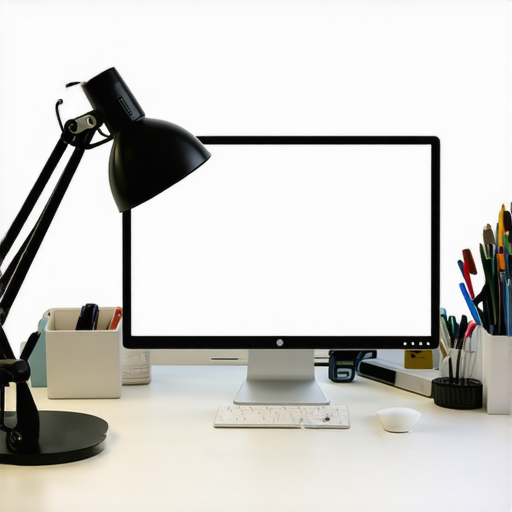
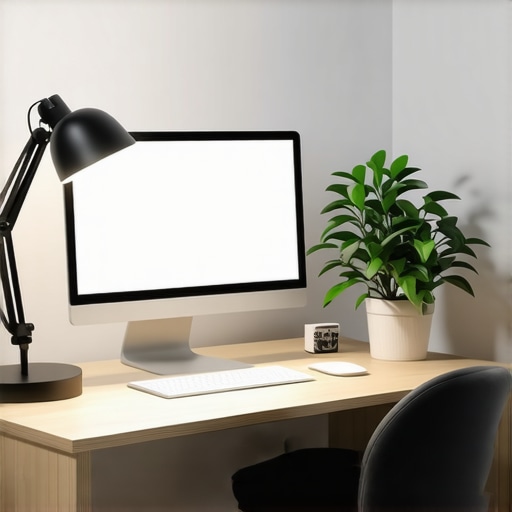
I remember the moment vividly—staring at my cluttered desk, surrounded by dim, flickering lights that made my eyes strain and my mood plummet. It was one of those nights when I realized that no matter how much effort I put into my work, poor lighting was sabotaging my productivity and well-being. That lightbulb moment led me down a rabbit hole of researching workspace illumination, and what I discovered changed my entire approach. If you’ve ever felt that your workspace lighting isn’t quite right—either too harsh, too dull, or just not conducive to focus—you are not alone. Many of us underestimate how crucial proper lighting is for our mood, eye health, and efficiency.
Why Good Lighting Could Be a Game-Changer for Your Workday
Proper workspace lighting isn’t just about aesthetics; it directly impacts your focus, productivity, and even your health. According to a study published in the Journal of Environmental Psychology, appropriate lighting can boost concentration and mood, significantly reducing fatigue over long work hours. Yet, despite its importance, many of us stick with outdated desk lamps or neglect lighting altogether—often because we’re unsure about what to look for or whether investing in better lamps is worth it.
Over time, I’ve experimented with various solutions—from traditional incandescent bulbs to smart LED setups—and found that the right combination can transform an entire work environment. Modern LED lamps and ring lights, in particular, offer customizable brightness, color temperature options, and even bias lighting that reduces eye strain and improves focus. If you’re tired of squinting at your screen or struggling with the lighting that just doesn’t work with your space, this guide will help you avoid common mistakes and find the ideal lighting setup.
But I also want to warn you about a mistake I made early on: I bought the most popular lamp without considering the specific needs of my workspace, leading to wasted money and unmet expectations. Trust me—knowing what to look for and how to tailor your lighting can make all the difference. Curious about how to select perfect LED solutions? That’s what we’ll dive into next.
Ever wondered if the hype around certain lighting tech is justified? Let’s explore that—starting with whether ring lights are really a must-have or just a passing trend in workspace enhancement.
Choose Your Light Source Wisely
Start by selecting the right type of lighting for your workspace. Opt for modern LED lamps because they are energy-efficient and offer customizable brightness and color temperature. For example, when I upgraded my desk lamp using tips from this guide, I immediately noticed less eye strain and a more inviting ambiance. Consider a lamp with adjustable arms and dimming features to tailor the light to different tasks.
Incorporate Bias Lighting to Reduce Eye Strain
Adding bias lighting behind your monitor can drastically cut down glare and minimize eye fatigue. Imagine a gentle glow that frames your screen—this is what bias lighting provides. To implement this, position a soft, warm light strip or lamp behind your monitor, matching the ambient light to reduce contrast. For detailed steps, see this resource. I experimented by attaching ambient bias lighting, and it transformed my evening work sessions, making them more comfortable and less tiring.
Set Up a Ring Light for Video Clarity
If your work involves video calls or content creation, a ring light becomes essential. Think of it as illuminating your face evenly, eliminating shadows and giving you a professional look. Start by selecting a ring light with adjustable brightness and color temperature—this flexibility is key. My first attempt was hasty; I bought a popular model without researching this comprehensive guide. Proper placement—about 18 inches in front of you—improved my video quality instantly. Experiment with angles and brightness until your face is evenly lit without harsh glare.
Align Your Light with Your Work Dynamic
Match your lighting setup to your daily tasks. For focused work, high-CRI LED task lamps with adjustable brightness are ideal—they show colors accurately and enhance focus. When I organized my desk following tips from this guide, I added a dedicated task lamp with a flexible arm, which allowed me to direct light precisely where needed. For relaxed periods, softer ambient lighting fosters a calm environment, especially if you’re working into the evening.
Create a Cohesive Lighting Environment
Integrate your multiple light sources into a harmonious setup. Consider using smaller lamps, bias lights, and a ring light in unison, not in isolation. Use dimmers or smart lighting systems for seamless control—this ensures your workspace adapts to different times and tasks effortlessly. My own setup changed significantly after I combined these tips, managing to switch from bright midday illumination to cozy evening lighting without clutter or confusion.
Test and Refine Regularly
Finally, maintain an active approach—regularly assess your lighting quality and comfort. Move lamps around, tweak brightness, and change color temperatures based on the time of day and specific needs. I found that what worked in the morning was too harsh in the evening, prompting me to create different lighting profiles. Document your favorite configurations or save settings if your smart lights support it. This iterative process ensures your workspace remains conducive to productivity and well-being, avoiding the dullness or glare that can creep in over time.Many people assume that investing in a bright, high-end ring light or a sleek LED desk lamp automatically ensures optimal workspace illumination. However, in my experience, this approach often overlooks critical nuances that can make or break your lighting setup. For example, the myth that more light always equals better focus is widespread, but too much brightness can cause glare and eye strain, counteracting its intended benefits. The real secret lies in understanding the *quality* versus the *quantity* of light, and how different types like bias lighting contribute to reducing contrast-induced eye fatigue.
One trap I see frequently is choosing a trendy light without assessing its color rendering index (CRI). High-CRI lights, which render colors more accurately, are essential if you work with detailed visuals or color-sensitive tasks. This nuance is often dismissed in favor of brightness alone, but as experts have shown, CRI significantly influences visual comfort and accuracy, especially during long work sessions. For instance, a study published in the Journal of Vision highlights how proper light quality can improve task performance and reduce fatigue.
Another common misconception involves using multiple light sources without considering their synergy. Many believe layering more lights enhances ambiance, but conflicting color temperatures from different fixtures can create a disjointed and uncomfortable environment. The key is achieving harmony—matching warm and cool tones appropriately to mimic natural light cycles. A cohesive setup not only improves focus but also supports your circadian rhythm, which is critical for long-term well-being. This insight is detailed in advanced workspace lighting guides, emphasizing how strategic placement and color consistency matter.
What about the *hidden trap* of over-tilting your desk lamp or ring light? I used to rotate my lights excessively to eliminate shadows, but this often cast uneven light patterns, causing more eye strain. Optimal placement is about balance—aiming for even, diffused illumination at eye level. When I aligned my lighting based on ergonomic principles, my comfort improved drastically. Remember, more adjustment doesn’t always mean better; sometimes, simplicity achieves the best results.
For those seeking a deeper understanding, exploring how bias lighting can reduce contrast and enhance visual clarity is worthwhile. Effective bias lighting behind your monitor can significantly diminish eye fatigue, especially in low-light environments. To master this, consider guidelines from this resource, which explains how different bias lighting techniques contribute to overall visual comfort.
Are you falling prey to these misconceptions? Ensuring your workspace lighting aligns with your specific needs—and understanding the advanced nuances—will definitely boost your productivity and eye health. Don’t overlook the importance of color rendering, harmony, and ergonomics. If you’re ready to refine your setup, check out how modern LED solutions can transform your space here. Have you ever fallen into this trap? Let me know in the comments.Investing in quality lighting tools is just the beginning; keeping your workspace illumination effective over time requires deliberate maintenance and smart practices. Personally, I rely on adjusting and upgrading my setup periodically to ensure it continues to meet my evolving needs. Start by routinely inspecting your desk lamp and other light sources to check for dust buildup or flickering, which can diminish their effectiveness and lifespan. Replace bulbs or upgrade fixtures as necessary—LED bulbs typically have longer lifespans, but they still benefit from occasional checks. I recommend setting a quarterly reminder to evaluate your lighting comfort and make incremental adjustments, such as dimming or changing the color temperature, to match changing work tasks and daylight cycles. Additionally, integrating smart lighting systems can simplify this process—program your lights to adjust brightness and warmth based on the time of day or your workload. As I adopted automated controls, I found it easier to maintain a consistent, healthy illumination environment, which reassures me that my workspace remains optimized without constant manual tweaks. For more advanced approaches, consider installing bias lighting behind your monitor to reduce glare and eye fatigue—a small change that yields significant benefits, especially for long hours. Check out this guide for practical tips on maintaining your bias lighting effectively. Don’t forget, technology is rapidly evolving—keeping your tools updated can future-proof your setup, ensuring continued benefits from newer, more efficient innovations. I highly suggest trying a smart, adjustable LED desk lamp that can be controlled via app; it offers customizable settings that adapt to your daily routines effortlessly. Regular maintenance and thoughtful upgrades are the keys to long-term workspace illumination success, so step up your game and make lighting a continuous priority in your workspace management strategy.
The Hardest Lesson I Learned About workspace lighting,ring light,bias lighting,desk lamp,led lamp
One significant insight was realizing that not all lights are created equal; the cheapest options can sometimes cause more harm than good, leading to eye fatigue and reduced focus. Investing in quality, high-CRI LED lighting transformed my long work hours from tiring to manageable.
My Biggest Misstep with Lighting That Taught Me Patience
I once bought a trendy ring light without considering its compatibility with my setup or adjustable features. The harsh glare and uneven illumination made me appreciate the importance of adjustable, diffused light sources tailored to your workspace. It’s a reminder that research before purchase beats impulse buying every time.
Hidden Power of Bias Lighting That Changed My Routine
Integrating bias lighting behind my monitor significantly reduced eye strain, especially during late-night tasks. This subtle glow balances contrast and minimizes fatigue, a trick I wish I knew from the start. Discover how bias lighting can elevate your workspace [here](https://lighting.techdeskessentials.com/bias-lighting-tips-to-enhance-your-home-office-setup).
The Unexpected Effect of Proper Placement of Lights in My Setup
Initially, I thought moving lights around was trivial, but discovering the perfect balancing point for my desk lamp and ring light eliminated glare and shadows, boosting my confidence and focus. Proper placement is a game-changer; don’t overlook it in your setup.

About the Author
Ricardo Vargas
Director of Operations and Product Development
Ricardo Vargas is a seasoned professional in the lighting industry, currently serving as a Director of Operations and Product Development
LinkedIn Profile