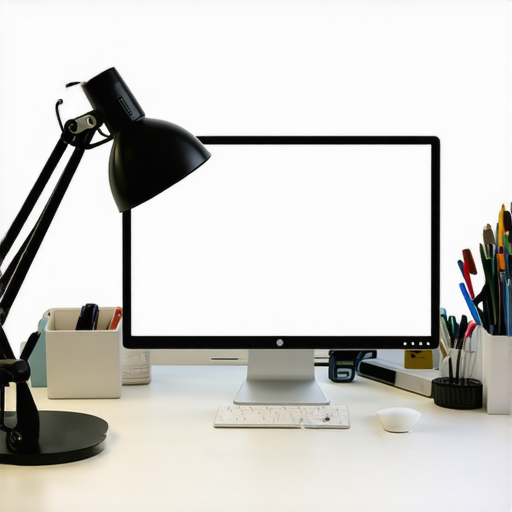
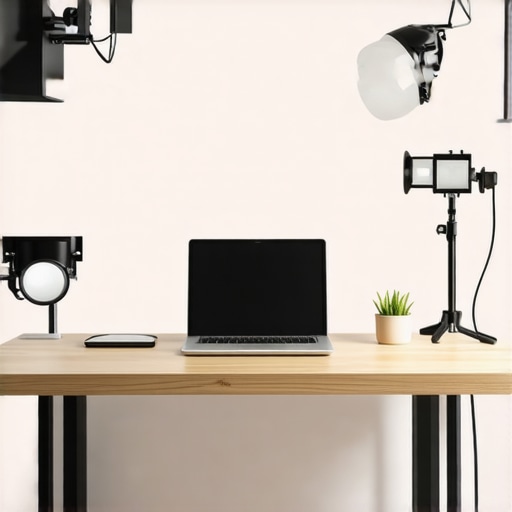
Picture this: It’s late at night, and I find myself in front of my computer, trying to film a quick video call. Suddenly, I notice a dull shadow cast on my face, making me look tired and a bit unprofessional. I’ve been there—struggling with poor lighting, wishing I could just press a button and instantly upgrade my workspace. That lightbulb moment hit me hard: I needed better lighting, and not just any, but something that could transform my entire setup.
Why Good Workspace Lighting Is More Important Than Ever
In 2025, our homes—be it our work desks or creative corners—are more crucial than ever. With remote work, content creation, and virtual meetings dominating our routines, the quality of our lighting can make or break our professional image and productivity. Believe it or not, research shows that proper lighting can boost focus and reduce eye strain, directly impacting our efficiency (source: effectiveness of desk lighting in 2025).
But here’s the tough part: finding the right lighting isn’t just about picking a bright bulb. It’s about understanding the types of lights that suit your space and needs—be it a ring light for selfies, bias lighting for minimizing glare, or an adjustable LED desk lamp for task work. My early mistake was investing in a generic desk lamp without considering color temperature or brightness, which resulted in a harsh glow and even headaches. I discovered that choosing the right lighting setup requires more than just picking something shiny; it’s about creating an environment that complements your work style and enhances your visual comfort.
So if you’ve ever felt frustrated trying to get your lighting right, you’re not alone. Thankfully, this guide aims to demystify the options and teach you how to select, position, and optimize your workspace lighting for 2025. Ready to shed some light on the best solutions? Let’s dive into what makes a lighting setup truly effective and how you can implement these tips today.
Is All the Buzz About Ring Lights Worth the Hype?
When I first heard about ring lights, I was skeptical—another gimmick, I thought. Turns out, I made the mistake of assuming they were only for beauty bloggers. In reality, ring lights are one of the most versatile tools for improving focus, reducing shadows, and achieving even, flattering illumination across your workspace. The key is in understanding their purpose and application—something I learned the hard way early on. Want to avoid my mistake? Stay tuned for the practical tips that helped me transform my lighting setup and could do the same for you.
Choose the Right Light Sources for Your Setup
Start by selecting lighting tools that serve specific functions in your workspace. For general ambient light, consider a high-quality LED desk lamp like the latest LED lamps which offer adjustable brightness and color temperature. If you want to eliminate shadows during video calls, a ring light centered in front of your face can provide even, flattering illumination—think of it as the facial lighting used in professional photography. For reducing eye strain during prolonged tasks, bias lighting behind monitors softly elevates contrast and minimizes glare, bringing a subtle glow that’s easy on the eyes. Combining these elements strategically creates a balanced environment tailored to your work style.
Position Your Lighting Equipment for Maximum Impact
Placement Matters: Angle and Distance
Proper positioning transforms your lighting from average to professional. I learned this firsthand when I initially placed my ring light too low, resulting in harsh shadows under my chin. Moving it above and slightly in front of me diffused shadows and produced a glow that felt natural. Think of your light sources as actors on a stage; their angles determine the scene’s mood. For desk lamps, positioning the light to the side at about 45 degrees prevents glare while illuminating your workspace effectively. Regularly adjust and test to find the sweet spot where light complements your face and desk without causing discomfort.
Utilize the Power of Diffusers and Reflectors
Adding accessories like diffusers softens harsh direct light, creating a gentle and even glow. During a messy morning setup, I taped a plain white paper over my LED lamp to diffuse the beam—instant improvement. Reflectors—such as whiteboards or foam boards—bounce light back onto shadowed areas, filling in dark corners without extra equipment. These simple tools are budget-friendly and surprisingly effective, helping you craft professional-quality lighting without complex setups.
Adjust Brightness and Color for Comfort and Clarity
The key to comfortable workspace lighting lies in fine-tuning brightness and warmth. I once experimented with my LED desk lamp’s color temperature, shifting from a cool white to a warmer tone during late nights; it reduced eye fatigue and made long working sessions more bearable. Match your lighting to your activities: cooler tones (5000K-6500K) boost alertness for intense tasks, while warmer tones (2700K-3000K) create a relaxing ambiance. Use dimmers or adjustable features to modulate light intensity based on the natural daylight and your task needs, preventing headaches and fostering a productive environment.
Test and Refine Your Lighting Setup Regularly
Lighting isn’t a set-and-forget element; it evolves with your workspace and seasons. I found that as daylight hours changed, I needed to tweak my desk lamp’s position and brightness. Conduct experiments: sit back, assess your workspace from the camera or your eyes, and make incremental adjustments. Taking periodic snapshots or sketches can help track what setup works best. Remember, the goal is harmony—balanced light that enhances your focus and reduces eye strain, not just brightening for the sake of brightness.
Implementing these steps might seem straightforward, but they collectively create a workspace that feels professional and is easy on your eyes. Once you understand the fundamentals of positioning, accessorizing, and adjusting your lighting tools, you’ll notice a significant difference in both comfort and productivity. Don’t hesitate to visit resources like workspace lighting guides to inspire further customization of your setup.
Many enthusiasts and even seasoned professionals fall prey to misconceptions when selecting lighting for their workspace, particularly regarding ring lights, desk lamps, bias lighting, and LED solutions. Let’s dig deeper into what most people overlook—and how understanding these nuances can elevate your setup beyond the basics.
Why Relying Solely on Brightness Can Sabotage Your Lighting Strategy
It’s a common belief that brighter lights always translate to better illumination. However, this oversimplification ignores the importance of light quality, color temperature, and diffusion. For example, a highly luminous ring light with poor diffusion can cause glare, eye strain, and unflattering facial highlights during video calls. Conversely, a softer, well-diffused light at a moderate brightness can produce more natural results. Advanced users recognize the need to tailor brightness levels to ambient lighting and tasks, which you can achieve with adjustable LED lamps like those described in this guide.
Don’t Fall for Color Temperature Traps
Many assume that cool white (above 5000K) is always ideal for productivity, and warm white (below 3000K) is only for relaxation. This myth overlooks the nuanced role of color temperature in calibration. Experts suggest dynamically adjusting temperature based on the time of day and task type—cooler temps in the morning to boost alertness, warmer tones in the evening to promote winding down. Misusing color temperature, like leaving a room lit exclusively with cool lighting late into the night, can disrupt circadian rhythms, as highlighted in recent circadian lighting research. Check out this comprehensive article for customization strategies.
Beware the Overdependence on Looks Over Function
It’s tempting to focus on how a light appears in photos or videos, but neglecting its functional impact can be a costly mistake. For instance, some premium-looking ring lights lack adjustable brightness or fail to support flicker-free operation, leading to headaches and lower-quality video. Similarly, bias lighting that doesn’t match monitor brightness can cause eyestrain. Advanced setups incorporate flicker-free LEDs with customizable settings, like those discussed in this resource. Knowing how to evaluate the technical specs ensures your choices serve your productivity and comfort.
Can You Overthink Your Lighting?
While understanding these nuances is crucial, there’s a risk of overcomplicating your setup—a trap I encountered myself. Spending excessive time fine-tuning every parameter might lead to analysis paralysis, delaying improvements you could have made in minutes. The key is to balance attention to detail with practicality. For most, a layered approach—using a decent LED desk lamp, a diffuser-equipped ring light, and bias lighting—is enough to achieve professional results without obsessing over every Kelvin or lumen. Remember, consistent testing and gradual adjustments outperform overhauling your entire setup at once. If you want to stay ahead, consider exploring modern LED solutions that simplify these complexities.
In summary, avoiding these common myths and understanding the hidden complexities of workspace lighting empower you to craft environments that not only look good but also enhance your efficiency and well-being. Have you ever fallen into this trap? Let me know in the comments.
,
Investing in quality lighting equipment like ring lights, desk lamps, and bias lighting is just the beginning. To keep your setup performing at its best over time, consistent maintenance and smart tool selection are essential. I personally rely on a few tried-and-true methods and tools to ensure my workspace remains bright, comfortable, and efficient.
How Do I Maintain My Lighting Equipment Over Time?
First, regular cleaning is a must. Dust and fingerprints can diminish the effectiveness of your LEDs and diffusers, leading to uneven lighting or reduced brightness. I use a microfiber cloth combined with a gentle, alcohol-based cleaner to wipe down my LED lamps every few weeks. This simple step keeps the light emission clear and consistent. For ring lights, I periodically check and replace any worn-out diffusers, which can become cloudy or discolored over time, affecting light quality.
Next, investing in compatible replacement parts and upgrades prolongs your equipment’s lifespan. For example, I always keep spare bulbs or LED modules compatible with my ring light handy, so I can swap out any faulty components immediately instead of waiting for repairs. Staying updated with firmware or control app updates also ensures your smart lighting tools benefit from the latest features and security improvements.
Using appropriate tools for maintenance is crucial. I recommend a small, non-abrasive brush for cleaning vents and remote-controlled dimmers, and a multimeter to check the electrical connections periodically. Ensuring that your power supplies are clean and free from dust reduces fire risks and maintains steady operation. Be sure to unplug devices before cleaning or servicing to prevent electrical hazards.
Why Quality Tools Matter
Choosing robust, reliable tools for maintenance saves you money and stress in the long run. For instance, a proper multimeter like the Fluke multimeter allows me to troubleshoot and ensure my LED strips are receiving consistent voltage, preventing flickering issues. Likewise, investing in high-quality cleaning supplies ensures that your diffuser surfaces stay clear, preserving the soft, even glow essential for eye comfort and professional-looking videos.
Trend-wise, the future points toward smarter, self-diagnosing lighting setups that can alert you to issues before they become noticeable. Companies are increasingly integrating IoT sensors that provide real-time feedback on light health, lifespan, and performance metrics, which I foresee becoming mainstream in the next few years.
What’s the Best Way to Set Up Routine Maintenance for Your Workspace?
Establishing a monthly check-in routine works best. Schedule a quick inspection of all your lights and accessories, clean diffusers, test connections, and update firmware if applicable. Keep records of what was checked or replaced—this tracking helps identify patterns and plan future upgrades or repairs. Remember, a well-maintained lighting system not only ensures consistent brightness but also extends the lifespan of your equipment, saving you costs and frustration down the line.
So, take a minute today to grab that microfiber cloth, inspect your diffuser, or update your control app. Doing so can make a significant difference in your workspace’s illumination quality and overall productivity. Looking for more tips? Check out the advanced workspace lighting guides to stay ahead.
3 Lessons I Wish I Had Known Sooner About Creating the Perfect Workspace Illumination
- Relying solely on brightness can backfire: I once believed cranking up my LED desk lamp was the answer, but I overlooked how color temperature and diffusion impact visual comfort. Matching brightness with quality, diffused light makes a real difference.
- Positioning is everything: Placing my ring light too low caused shadows and glare. Elevating it slightly above eye level and experimenting with angles transformed my video calls into professional-looking broadcasts.
- Don’t ignore layering your lighting: Combining different light sources—like a bias light behind my monitor with a warm desk lamp—created a balanced environment that boosted focus and reduced eye strain, proving that layering is key to superior workspace lighting.
- Overthinking can stall progress: I spent too much time fine-tuning every detail, which delayed improvements. Sometimes, a simple setup with adjustable features is enough; clarity and comfort matter more than perfection.
My Top Tools to Elevate Workspace Illumination
- Quality LED desk lamps: I trust models with adjustable color temperature and dimming capabilities, like those detailed in this guide. They offer flexibility for various tasks and times of day.
- Versatile ring lights: Equipped with diffusion filters and adjustable brightness, my ring light helps me achieve even facial lighting during video calls. Check out these top picks for a seamless setup.
- Bias lighting solutions: Soft backlights behind monitors, like those discussed in this resource, reduce glare and eye fatigue, especially during long work sessions.
- Maintenance essentials: Regular cleaning of diffusers with microfiber cloths and checking connections with reliable tools ensures consistent performance. For advanced troubleshooting, tools like the trusted multi-meter come in handy.
Let’s Light the Path for Your Success
Optimizing your workspace lighting isn’t just about equipment—it’s about creating an environment where you thrive. With these insights and tools, you’re well on your way to a setup that boosts your focus, reduces strain, and makes every virtual meeting look more professional. Remember, the right lighting can be a game-changer, and adapting these strategies will help you stay ahead in 2025. Ready to make your workspace shine? Share your experience or ask questions below—I’d love to hear how you’re customizing your lighting for maximum impact.

About the Author
Ricardo Vargas
Director of Operations and Product Development
Ricardo Vargas is a seasoned professional in the lighting industry, currently serving as a Director of Operations and Product Development
LinkedIn Profile