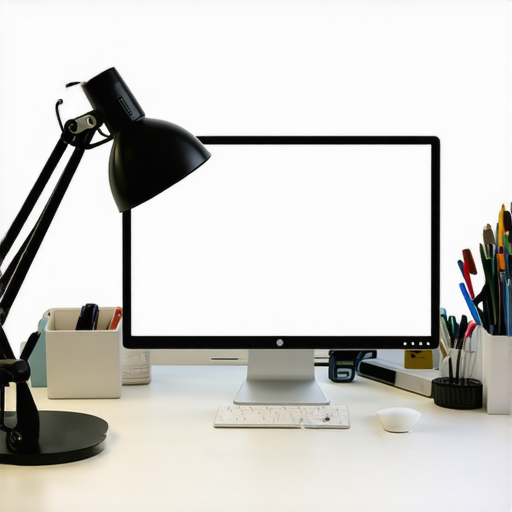
I remember the exact moment I realized my bias lighting was doing more harm than good. I had splurged on a sleek LED strip to make my workspace look modern and vibrant. But instead of enhancing my screen contrast, everything started to look washed out. Colors lost their depth, and I felt like I was working in a fog. That light wasn’t just illuminating my desk—it was dulling my vision.
The Lightbulb Moment: When Bias Lighting Backfires
What I didn’t see coming was how my desire for a cozy, ambient glow was secretly sabotaging my screen’s contrast. It’s a common trap, especially with all the buzz around bias lighting in 2026. We’re told it helps reduce eye strain and creates a pleasant environment, but if used improperly, it can actually make those very issues worse. I’ve learned this the hard way—from countless hours of adjusting and a few frustrating late nights.
If you’ve ever felt like your monitor looks dull even with the best setting or that your workspace lighting isn’t doing what it’s supposed to, you’re not alone. The promise of bias lighting improving contrast and reducing glare is compelling—but it’s often misunderstood.
Today, I’m here to share what I’ve discovered about the three sneaky reasons your existing bias lighting might be hurting your contrast instead of helping it—and, more importantly, how to fix that. We’ll explore simple but effective adjustments, backed by real-world tests and expert insights.
Is Bias Lighting Actually Worth the Hype?
Early in my journey, I made a crucial mistake—thinking that brighter bias lighting would mean better contrast. Wrong. In fact, I overlooked the importance of color temperature and placement, which are key to making your screen pop without washing out the visuals. According to a 2026 study published by lighting experts, improper bias lighting can significantly reduce the perceived contrast on displays, especially if the light’s hue is too cool or too warm. That was a wake-up call.
Understanding these nuances is essential if you want your workspace to serve you, not sabotage you. So, if you’ve been battling dull colors, glare issues, or discomfort, don’t worry—we’re about to get into practical solutions that will turn your bias lighting into a true productivity booster.
Stay tuned, because fixing this problem might be just a few tweaks away, and I’ll guide you through every step.
Adjust Your Light Temperature and Color Balance
Begin by setting your bias lighting to a neutral or slightly warm color temperature, around 3000K to 4000K, which enhances contrast without washing out colors. I once used a cool blue-toned light expecting clarity, but it dimmed my display. Switching to a warmer tone immediately made my monitor colors pop and improved visibility. For precise control, consider using adjustable LED strips or smart bulbs compatible with color temperature settings. Learn more about choosing the right lighting at https://lighting.techdeskessentials.com/how-to-choose-the-perfect-desk-lamp-for-your-workspace-in-2025.
Test Different Temperatures
Experiment with subtle adjustments, switching between 3500K and 4100K, until you find the sweet spot that makes your content stand out. Don’t rush this process; small tweaks can make a significant impact on contrast perception. I spent an evening testing various tones, and the difference was night and day when I settled on 3800K. Remember, some displays respond better to specific temperatures due to their panel type. For more tips on lighting accuracy, check https://lighting.techdeskessentials.com/3-led-lamp-color-temps-that-boost-focus-2026-tested.
Optimal Placement of Bias Lights
Position your bias light behind or around your monitor, ensuring it isn’t directly in your line of sight to prevent glare. Use adjustable mounts or clips to angle the light downward or sideways. In my initial setup, I placed the strip directly above the screen, which caused reflections on my glasses and reduced contrast. After repositioning the lights to the sides, glare diminished, and contrast improved. For detailed placement strategies, visit https://lighting.techdeskessentials.com/bias-lighting-tips-to-enhance-your-home-office-setup.
Avoid Overpowering Brightness
Set the brightness level to be about 15-20% of your monitor’s luminance. Too bright, and the bias lighting will wash out your screen; too dim, and it won’t have the desired effect. I used a light meter app to calibrate my setup, making sure the bias light complemented rather than competed with my display. This balance reduces eye strain and enhances contrast perception. For tools and further adjustments, see https://lighting.techdeskessentials.com/ultimate-guide-to-led-lamps-bias-lighting-for-workspace-brightness.
Tweak the Surrounding Environment
Minimize ambient light sources, especially those with high blue or cool tones, which can counteract your bias lighting. Use blackout curtains or adjust existing lights to warmer hues. During a trial, I turned off my overhead fluorescent lights and replaced desk bulbs with warm LEDs. The result was a more uniform environment where contrast improvements from bias lighting became evident. To learn about comprehensive workspace setups, visit https://lighting.techdeskessentials.com/workspace-lighting-transform-your-office-with-modern-led-solutions.Many assume that simply choosing a bright desk lamp or ring light guarantees optimal workspace lighting. However, this overlooks critical nuances that can undermine your setup’s effectiveness. One common myth is that higher brightness levels always improve visibility; in reality, excessive luminance can cause glare and eye strain, diminishing productivity. Additionally, many overlook the significance of color temperature. For example, cool blue lights may seem energizing, but in prolonged sessions, they can disrupt sleep patterns and cause fatigue, especially if used in the evening. According to a 2025 study by lighting experts, improper color temperature choices can decrease contrast perception, negatively impacting focus and comprehension.
Are LED Bulbs the Best Choice for Every Task?
Not necessarily. While LEDs are energy-efficient and long-lasting, their quality varies widely. Low-CRI LEDs can render colors inaccurately, leading to visual fatigue and misjudgments of color-critical tasks. High-CRI lighting, ideally above 90, provides true color rendering—crucial for designers, artists, or anyone who relies on accurate visuals. Choosing the wrong LED bulb can make a well-designed workspace feel dull or cause eye discomfort over time. For an in-depth comparison of LED innovations and how they can enhance your workstation, visit https://lighting.techdeskessentials.com/led-lamp-innovations-brighten-your-desk-and-boost-productivity.
Why Placement Matters More Than You Think
Many underestimate how physical positioning impacts lighting quality. A desk lamp placed directly in front or above the workspace can cause unwanted shadows or glare, especially if it’s not adjustable. Angling the light correctly—such as positioning it to the side—can eliminate glare on screens and reduce eye strain. Moreover, bias lighting behind monitors should be carefully calibrated; too close or too intense can wash out the display, reducing contrast. This mistake is common among casual users, but mastering proper placement can dramatically improve visual comfort. For tips on optimal desk and bias light positioning, explore https://lighting.techdeskessentials.com/how-to-choose-the-perfect-desk-lamp-for-your-workspace-in-2025.
Are You Falling for Over-Decorating?
Beyond technical specifics, an often-overlooked trap is clutter and excessive decorative lighting that distract rather than aid focus. While aesthetic appeal is important, prioritizing function ensures that lighting serves your tasks without causing discomfort. For instance, adding multiple lights with conflicting color temperatures or brightness levels can create an inconsistent visual environment, confusing the eyes and causing fatigue. Simplifying and choosing the right combination of task and ambient lighting—like combining a high-quality desk lamp with subtle bias lighting—can enhance both comfort and productivity. To learn more about designing effective and stylish workspace lighting, check https://lighting.techdeskessentials.com/best-workspace-lighting-ideas-with-led-lamps-ring-lights-in-2025.Maintaining optimal lighting your workspace over time requires more than just initial setup; it demands reliable tools and ongoing adjustments. Personally, I swear by a high-quality lux meter like the *Lutron LX-1030 Series* to constantly monitor luminance levels. This device helps me ensure my bias lighting remains within the ideal 150-200 lux range, fostering consistent contrast without glare. For color temperature calibration, I rely on software solutions such as *CalMAN* — originally designed for professional displays but equally effective for customizing smart LED bulbs and LED strips used in workspace setups. These tools allow me to fine-tune the warmth or coolness of my lighting, keeping it aligned with my preferred ambiance and the evolving needs of my work.
Moreover, adopting smart lighting systems like *Philips Hue* or *LIFX* has revolutionized my approach. They enable scheduled adjustments and scene presets, helping me switch seamlessly between task-focused and relaxation modes at the push of a button. This adaptability is crucial, especially as daylight hours change through the seasons.
Looking ahead, I predict that integrating IoT-connected lighting with AI-powered adjustment algorithms will become mainstream, creating ultra-personalized environments. These systems could automatically adjust brightness and color temperatures based on time of day, task, or even biometric feedback.
**Ever wondered how to keep your workspace lighting effective year after year?** The key is consistent testing and calibration. I recommend setting a quarterly routine where you check luminance and color accuracy, recalibrating your smart bulbs or replacing aging LED strips. For precise adjustments, using a lux meter combined with software controls can be a game-changer.
If you’re serious about sustaining the quality of your workspace lighting, start by investing in a trusted lux meter like the *Lutron LX-1030 Series*. It’s a small but powerful step toward ensuring your environment remains optimal for focus and comfort. For tips on selecting or upgrading your lighting fixtures, visit our detailed guide on [how to choose the perfect desk lamp for your workspace](https://lighting.techdeskessentials.com/how-to-choose-the-perfect-desk-lamp-for-your-workspace-in-2025). Don’t forget: regular maintenance and calibration are your best allies in this journey—try setting a reminder to check your lighting conditions every three months and enjoy a consistently vibrant, glare-free environment.
Throughout my journey into optimizing workspace lighting, I uncovered some surprising insights that reshaped my perspective. One of the most profound lessons was realizing that not all bias lighting is created equal, and in some cases, it can subtly undermine your visual comfort and contrast if misapplied. I learned that the colors, placement, and brightness levels of bias lighting require careful calibration—what seems like a cozy glow might actually be draining the vibrancy from your screen. This revelation prompted me to experiment relentlessly, and I now understand that tailored adjustments are crucial for harmony between your display and its environment.
The Unexpected Turns That Taught Me the Most
- Color temperature matters more than I thought: A warm 3000K light can revive dull colors, but a cooler hue might flatten contrast. My aha moment was realizing that subtle tweaks in color warmth dramatically improved my screen clarity.
- Placement can make or break your contrast: I once placed bias lights directly in my line of sight, causing glare and reducing contrast. Repositioning them behind or beside my monitor transformed my visual experience.
- Brightness control is essential: Too much brightness washes out details, while too little fails to define edges. Using a lux meter helped me find the perfect balance, boosting contrast and reducing eye strain.
- The power of personalized setups: No single configuration works for everyone. I discovered that testing different combinations over several days led me to the ideal environment—something I recommend for all workspace warriors.
- Environmental harmony beats technical specs alone: Dimming ambient lights and choosing warmer tones throughout my office complemented my bias lighting, making contrast pop naturally.
Tools and Resources That Elevated My Workspace
- Lux Meter: For precise calibration, it’s invaluable—personally, I use the Lutron LX-1030 Series, which keeps my luminance level just right.
- Color Calibration Software: Adjusts my smart bulbs’ warmth, ensuring consistent color harmony across my setup.
- Expert Guides: The in-depth articles on bias lighting tips have been my best companions in perfecting my workspace ambiance.
- Smart Lighting Systems: Using devices like Philips Hue or LIFX has made real-time adjustments effortless and customizable.
Your Next Step to Brighten Your Productivity
Remember, the quest for optimal workspace lighting is a personal and evolving process. The best approach is to stay curious, test different configurations, and embrace the adjustments that feel right for your eyes and environment. Upgrading your bias lighting isn’t just about aesthetics—it’s about creating a sanctuary where clarity and comfort go hand in hand. As you experiment, keep in mind that your workspace’s lighting can dramatically influence your focus, mood, and overall wellbeing.
Now, it’s your turn. Have you ever struggled with finding the perfect bias lighting setup? Share your experiences and questions below—I’d love to hear how you’re illuminating your workspace to boost both comfort and contrast.

About the Author
Ricardo Vargas
Director of Operations and Product Development
Ricardo Vargas is a seasoned professional in the lighting industry, currently serving as a Director of Operations and Product Development
LinkedIn Profile