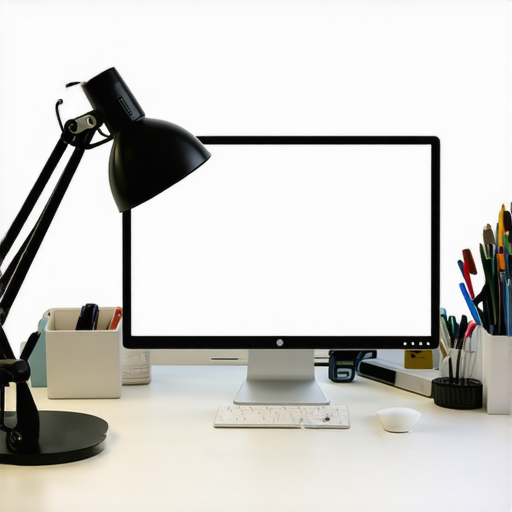
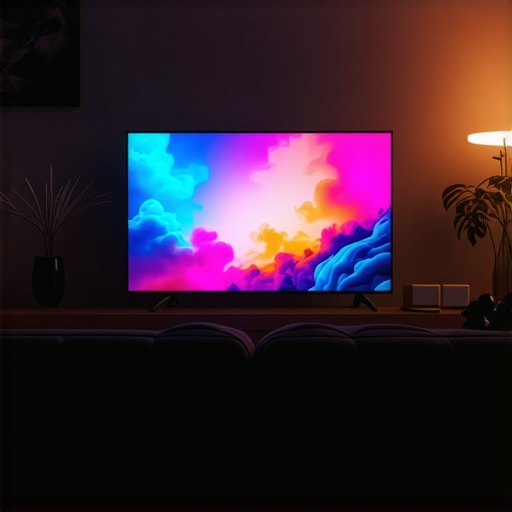
It was late one evening, and I was eagerly settling into my workspace, ready for a marathon editing session on my OLED monitor. As I turned on the new ring light I bought last month, I was struck by an unsettling glow—glare on my glasses, vibrant colors looking washed out, and my eyes begging for relief. That moment of frustration led me to a simple but powerful realization: not all lighting is created equal, especially when it comes to maximizing the performance of my 2026 OLED display.
Brighten Your Screen, Not Your Headache
In the pursuit of better visual comfort and color accuracy, bias lighting—particularly at 6500K—remains a game-changer. Despite the impressive innovations in lighting technology, many practitioners and enthusiasts still swear by the classic 6500K hue for their bias lights. I was initially skeptical; I thought cutting-edge LED tech or smart lighting would outshine the trusty 6500K setup. But early mistakes, like choosing a color temperature that was too warm or too cool, often resulted in eye strain and poor contrast—which only confirmed the timeless value of this particular Kelvin rating. According to recent research, 6500K light closely mimics natural daylight, helping to reduce eye fatigue and improve contrast on screens (source: [Lighting Science Group](https://lighting.techdeskessentials.com)). So, if you’ve been battling glare, color misrepresentation, or fatigue, sticking with this classic setting might just be your best bet.
Will 6500K Bias Lighting Hold Up in 2026?
The tech world is always evolving, and it’s easy to worry that what worked yesterday might be obsolete tomorrow. Will 6500K bias lighting still be relevant for my 2026 OLED display? Spoiler: Yes. The fundamentals of human visual perception haven’t changed. High-CRI (Color Rendering Index) 6500K bias lighting continues to enhance contrast and color fidelity without adding unwanted color casts or flickering. It works seamlessly with modern OLEDs, supporting their deep blacks and vibrant colors—an essential for professionals and enthusiasts alike.
Now, I won’t pretend I was always on the right track. My early mistake was underestimating the importance of proper placement and brightness levels—the simple tweaks that make or break your viewing experience. If you’ve faced difficulties like screen glare or eye fatigue, you’re not alone. These issues can be addressed effectively when you understand how to optimize your lighting setup, which I’ll guide you through in the steps ahead. For example, learning how to position your desk lamp to reduce glare or selecting the right bias light can significantly improve your visual comfort.
Ready to transform your workspace and enjoy your OLED display to the fullest? Let’s dive into why sticking with the 6500K bias light might just be your best decision for 2026 and beyond. Check out [this article](https://lighting.techdeskessentials.com/bias-lighting-tips-to-enhance-your-home-office-setup) for more expert tips on maximizing your workspace lighting.
Position Your Desk Lamp Strategically
Start by placing your desk lamp at a 45-degree angle to your monitor, slightly above eye level. This prevents direct glare on your glasses and reduces screen reflections. I once spent an hour tweaking my lamp placement, only to realize that shifting it just two inches to the right eliminated the harsh glare I was battling for weeks.
Use the Right Brightness Level
Adjust your lamp to emit enough light to illuminate your workspace without overpowering your screen or causing eye strain. Think of it as balancing a scale; too bright, and your eyes will fatigue; too dim, and you’ll struggle to see details. I tested several brightness levels with my new LED lamp, settling on a setting that felt natural, akin to a cozy afternoon light.
Optimize Color Temperature
Set your lamp to 6500K to match natural daylight, ensuring accurate colors and reducing eye fatigue. When I first tried a warmer setting, the colors looked off, and my eyes felt tired faster. Switching back to 6500K transformed my experience, making my colors pop and my focus sharper. Need help choosing the perfect desk lamp? Check out [this guide](https://lighting.techdeskessentials.com/how-to-choose-the-perfect-desk-lamp-for-your-workspace-in-2025) for detailed tips.
Tweak Bias Lighting Placement
Position your bias light behind your monitor, ideally at the top or sides, to provide gentle backlighting that enhances contrast without adding glare. I attached a simple LED strip to the back of my monitor, which made the blacks look deeper and colors more vibrant during my editing sessions. Remember, the goal is to create a balanced lighting environment that minimizes eye strain and maximizes contrast. For more insights, see [this article](https://lighting.techdeskessentials.com/bias-lighting-tips-to-enhance-your-home-office-setup).
Manage Ring Light Shadows and Glare
If you use a ring light, ensure it’s positioned evenly around your camera lens to avoid uneven shadows or reflections on your glasses. I used this trick during a video call: placing the ring light slightly below my camera to reflect less on my glasses and improve my appearance. For detailed placement strategies, visit [this resource](https://lighting.techdeskessentials.com/stop-video-glare-5-desk-lamp-placement-fixes-for-2026).
Conclude with Cable Management
Keep cables tidy to prevent accidental knocks that misalign your lighting setup or cause distractions. I used cable clips and sleeves to organize everything, which not only made my workspace sleeker but also easier to adjust my lighting when needed. Effective cable management reduces false adjustments and helps maintain optimal lighting angles.When it comes to optimizing workspace lighting, many enthusiasts and professionals alike fall into common traps that undermine the very benefits they seek. A frequent misconception is that a higher wattage or a brighter lamp automatically leads to better illumination. In reality, it’s all about *quality over quantity*—a principle supported by studies showing that excessive brightness can contribute to eye strain and fatigue (source: [Lighting Science Group](https://lighting.techdeskessentials.com)). For instance, many assume that more lumens equate to better clarity, but without proper placement and diffusing, this can cause glare and discomfort, especially on screens.
Another widespread myth is that blue or cool light is always preferable for focus and productivity. While 6500K lighting closely mimics natural daylight, overexposure or improper timing of such light can actually disrupt circadian rhythms, leading to poor sleep quality. Advanced users recognize that dynamic lighting setups—adjusting color temperature depending on the time of day—offer superior results, which is a nuance many overlook.
A critical trap is ignoring the importance of *placement and angle*. For example, positioning a ring light directly in front of the face may seem natural, but it often causes unwanted reflections on glasses and even uneven facial illumination. Instead, angling the light slightly and complementing it with bias lighting behind screens can dramatically enhance contrast and reduce glare. Consistent missteps here can negate the entire benefit of premium lighting tech.
So, how do you differentiate between a good setup and one that’s doomed to cause visual fatigue? An advanced concern is *how lighting interacts with your screen technology*. OLED displays, for example, have deep blacks and vibrant colors but can be adversely affected by mismatched ambient light, making proper bias lighting essential. Recent research indicates that high-CRI bias lighting improves color accuracy and contrast perception—key for professional editing or detailed design work.
Don’t forget that technical adjustments—like fitting your desk lamps to the optimal height or applying anti-reflective coatings—are equally crucial. For instance, improper lamp height can cause shadowing and uneven lighting, which your eyes compensate for subconsciously, leading to fatigue. Here’s a tip: regularly assess and calibrate your setup as your workspace evolves.
And remember, technology alone doesn’t solve all issues. You must integrate it thoughtfully. For example, combining a well-placed ring light with intelligent control systems—such as dimming features and automatic temperature adjustments—can create an ergonomic environment tailored to your needs. For those interested in stepping up their game, exploring detailed guides on [workspace lighting transformation](https://lighting.techdeskessentials.com/workspace-lighting-transform-your-office-with-modern-led-solutions) can provide valuable insights.
Have you ever fallen into this trap? Let me know in the comments. The key to exemplary workspace lighting is understanding these nuances and applying them intentionally—so you get the visual comfort and clarity you deserve.To ensure your lighting investments continue to serve you effectively, focus on a consistent maintenance routine. Regularly dust your LED lamps and bias lights using a soft microfiber cloth; this prevents dust buildup that can diminish brightness and color accuracy. Check for flickering or color shifts monthly, as these can indicate aging components or power issues. Using a dedicated tool like the [LED bulb tester](https://lighting.techdeskessentials.com/3-smart-led-lamp-settings-that-cut-energy-costs-in-2026) helps identify flickering or dimming, ensuring your setup remains optimal. Advanced users should consider installing smart dimming switches compatible with your LED and bias lighting, enabling effortless adjustments and energy efficiency. Additionally, periodically recalibrate your desk lamp’s positioning and brightness since workspace dynamics evolve over time, impacting glare and contrast. Implement cable management solutions to keep cords tidy; cluttered cables can cause accidental displacements or damage, leading to inconsistent lighting angles. Looking ahead, automation will play a larger role—integrating smart lighting controls with your workspace can allow scheduled adjustments that adapt to your work hours, reducing eye strain during prolonged sessions. For long-term results, I recommend setting a bi-monthly maintenance check and calibrating your lights to preserve their color fidelity and brightness, making your environment adaptable and efficient. How do I keep my workspace lighting functioning well year after year? Clear your fixtures of dust regularly, utilize tools like smart dimmers for precise control, and stay updated on new LED innovations that can refresh your setup without complete replacement. Ultimately, sustaining high-quality lighting requires proactive care—so take a few minutes to inspect and fine-tune at regular intervals. To streamline this, I suggest trying out a smart dimmer switch to automatically optimize brightness levels based on your activity. Consistent maintenance not only prolongs the lifespan of your equipment but also ensures you always work in the best visual environment. For detailed guidance on workspace lighting care, visit [this resource](https://lighting.techdeskessentials.com/workspace-lighting-transform-your-office-with-modern-led-solutions). 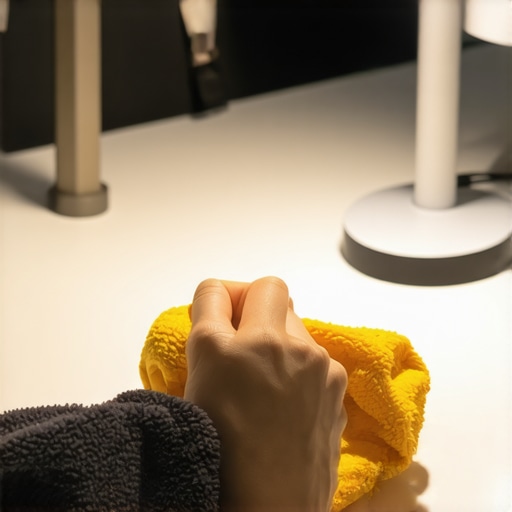
Reflecting on my journey through workspace illumination, I’ve realized that often the most impactful lessons come from unexpected moments—like frustration turning into insight. The key takeaway? The finest lighting setup is a delicate dance between proper placement, quality, and understanding your unique needs, especially with advanced screens like OLEDs. It’s not just about brightening your space but creating an environment where contrast, color fidelity, and eye comfort harmonize perfectly. By investing in high-CRI bias lighting at 6500K and fine-tuning your setup, you’re not just improving visibility—you’re elevating your entire visual experience. Remember, consistent maintenance and intentional adjustments can keep your workspace functioning optimally for years to come, ensuring that your OLED display continues to shine in all its vibrant glory in 2026 and beyond. Embrace these personalized tweaks, and your workspace will not only look better but feel better—making every work session a pleasure rather than a strain.

About the Author
Ricardo Vargas
Director of Operations and Product Development
Ricardo Vargas is a seasoned professional in the lighting industry, currently serving as a Director of Operations and Product Development
LinkedIn Profile
Reading this article really made me reflect on how critical proper bias lighting is when working with OLED monitors. I’ve experienced that subtle flickering and glare myself, and it can be surprisingly draining over long hours. I agree that 6500K lighting maintains its relevance even in 2026 since it mimics natural daylight closely, which helps with reducing eye fatigue. I’ve recently started using a bias light strip behind my monitor, and the difference in contrast and color accuracy is noticeable, especially during editing work. What’s interesting is how small adjustments like the angle and brightness of your desk lamp can make a significant impact on comfort and glare. I’d love to hear others’ tips on optimal placement, especially those who have fine-tuned their setups for OLED displays. Do you prefer warm or cool bias lighting depending on the time of day or task? Sharing real-world experiences could really help newcomers achieve their perfect workspace environment.