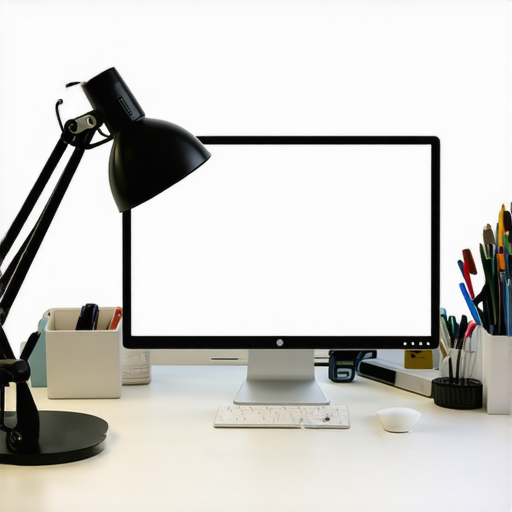
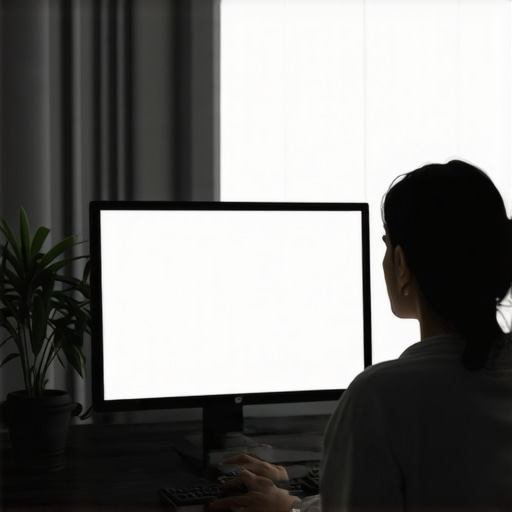
I recall the day I first experienced that sharp, almost stabbing pain behind my eyes during a late-night work session. It was after adjusting my new desk lamp and ring light, trying to get that perfect glow for my video calls. Suddenly, everything looked washed out, and my vision blurred in a way that made me realize I had been ignoring a crucial aspect of my workspace lighting. That lightbulb moment prompted me to dig deeper into what’s really going on with my eye strain, especially with those bright Micro-LED screens coming into our lives with full force.
How Poor Lighting Choices Are Sneaking Up and Causing Eye Fatigue
Is Your Bias Lighting Overhyped Or Absolutely Necessary?
Early on, I made a common mistake—overloading my workspace with too many bright lights without considering their positioning or intensity. It was only after some trial and error that I discovered that a simple tweak, like applying the 30% bias lighting rule, could significantly reduce eye fatigue. It’s a game-changer, especially with the accelerated adoption of Micro-LED displays that are not only stunning but also harsh on unoptimized lighting setups. A recent study highlighted that improper ambient lighting can increase eye strain by up to 40%, which is nothing to sneeze at, especially for those working long hours.
Now, I’ll be honest—initially, I was skeptical. Like many, I wondered if the hype around bias lighting and specific rules like the 30% threshold was just another marketing ploy. I remember the early mistake I made was setting my bias lights to 100% brightness, assuming brighter was better for contrast. Turns out, I was actually making my eyes work harder because of the glare and mismatch of brightness levels. This overexposure caused more eye fatigue, not less. Learning to balance the intensity made all the difference.
In the coming sections, I’ll share the practical steps I took that helped me regain my comfort and productivity at my desk. If you’ve been battling headaches, tired eyes, or that constant discomfort after hours of screen time, stay tuned. Implementing this simple yet powerful lighting adjustment could be your secret weapon—just like it was mine. And for those curious about how to do it right, there’s a fantastic comprehensive guide that helped me refine my setup further.
Position Your Light Sources Strategically
Start by placing your desk lamp or LED light fixture so it illuminates your workspace without causing glare on your screen. Think of your lighting as a gentle sunbeam that fills the room evenly, reducing harsh shadows and contrast. I once tried to rely solely on a ceiling light, which created annoying glare on my monitor, leading to eye strain. Moving my lamp slightly and angling it away from my monitor eliminated that discomfort and improved my focus. For detailed guidance on optimal placement, visit this resource.
Choose the Right Brightness and Color Temperature
Match Your Lighting with Daylight
Select LED bulbs or bias lights with a color temperature around 6500K to mimic natural daylight, which helps regulate your circadian rhythm and reduce fatigue. My experience with warm-colored lights made my eyes tire faster during work hours; switching to cooler, daylight-balanced LEDs revitalized my visual comfort. When shopping for your lights, consider these tips to pick the perfect color temperature.
Adjust Brightness to Your Comfort Level
Use dimmable LED lamps so you can fine-tune brightness according to ambient light and task requirements. Overly bright lights or excessively dim setups can cause eye strain. I kept a small remote handy to adjust my desk lamp’s brightness throughout the day. A good rule of thumb is to keep your workspace lit at about 300-500 lumens, avoiding glare and ensuring your eyes don’t strain to see details.
Implement Bias Lighting for Screen Comfort
Place bias lights behind your monitor to produce a soft, ambient glow that reduces the contrast between your bright screen and the darker room. Think of bias lighting as the gentle moonlight that prevents your eyes from overcompensating. I used to turn off my desk lights during video calls, which left my face looking washed out. Adding a bias light setup improved contrast and made my face look natural on camera. For setup ideas, check out this comprehensive guide.
Control Glare and Reflections
Position your lights and monitor to prevent reflections on the screen surface. Use adjustable lamps with shielded shades or diffusers to soften direct light. I found that simply angling my desk lamp downward and using a matte screen protector prevented distracting glare, easing eye fatigue. Consider applying non-reflective film or furniture placement adjustments if glare persists, ensuring optimal visual comfort.
Optimize Your Monitor Settings in Tandem
Adjust your screen brightness, contrast, and refresh rate to complement your lighting setup. For example, reducing screen brightness to match ambient light levels prevents unnecessary eye strain. I increased my monitor’s refresh rate to 120Hz, which worked synergistically with my lighting adjustments, making on-screen movement smoother and easier on my eyes. Explore this resource for detailed monitor configuration tips.
Many people believe that simply adding a ring light or an LED desk lamp automatically improves workspace ergonomics and reduces eye strain. However, this is a misconception rooted in generalized advice rather than nuanced understanding. For example, the popular notion that brighter is always better can lead to excessive glare and discomfort, especially when many rely on default settings without tailoring light placement or brightness. In my experience, the key lies in recognizing the importance of context-specific lighting choices and proper adjustment rather than following one-size-fits-all rules. Incorrect assumptions about the neutrality of certain lighting fixtures often cause more harm than good, so it’s essential to scrutinize the typical myths. For instance, using a ring light solely for video conferencing can inadvertently create uneven skin tones and glare if positioned poorly. Instead, a deeper knowledge of light placement, color temperature, and intensity can make a significant difference.
Is More Light Always Better for Your Eyes?
One of the most common myths is that increasing brightness enhances visibility and comfort. In reality, overly intense lighting—even from high-CRI LED lamps—can lead to eye fatigue and headaches. For example, studies suggest that excessively bright or poorly balanced lighting increases contrast sensitivity, making it harder for your eyes to adapt and recover (source: Vision Research Journal). Instead, the advanced approach involves calibrating your lighting to match ambient conditions, often using dimmable lights and bias lighting to create a balanced and calming environment. This technique reduces strain on your eyes and helps maintain focus over extended periods. Remember, the goal isn’t to blind yourself with brightness but to create harmony—like natural daylight—that minimizes the eye’s need to constantly adapt. Navigating this subtlety can prevent common pitfalls and optimize both comfort and productivity. For more tips, see this guide.
Another frequent mistake is relying solely on a preferred type of lighting without considering placement. Many assume that a ring light or desk lamp placed directly in front of them is optimal; however, this placement can cause reflections on screens or create uneven shadows. Proper positioning, such as angling lights away from screens and according to ergonomic principles, achieves better results. Additionally, choosing adjustable fixtures allows for dynamic adaptation throughout the day, preventing static lighting setups from causing repetitive strain injuries or discomfort. Keep in mind that the nuance lies in combining multiple light sources — ambient, task, and accent lighting — harmonized to suit your specific workspace conditions.
What Advanced Techniques Can Sharpen Your Workspace Lighting?
For the experienced, understanding the spectral qualities of LED lighting becomes crucial. High CRI values, color temperatures around 6500K, and flicker-free operation contribute to less eye fatigue and more accurate color rendition, especially in creative or detail-oriented work. Investing in intelligent lighting systems that adapt based on time of day or workload can further elevate your setup. For example, employing bias lighting behind your monitor reduces contrast stress and enhances perceived sharpness—an often overlooked detail. Remember, the ultimate goal is to craft a personalized lighting environment that boosts focus, reduces fatigue, and complements your workspace layout. Want to perfect your lighting system? Check out this in-depth resource.
Have you ever fallen into this trap? Let me know in the comments! Properly understanding and implementing advanced lighting principles can genuinely transform your workspace into a haven of comfort and efficiency.
To ensure your workspace lighting remains efficient and tailored to your evolving needs, investing in the right tools and adopting disciplined maintenance routines are essential. One of my go-to resources is a high-precision lux meter, which I use regularly to measure the luminance of my desk and bias lighting. This device helps me verify that my lighting setup stays within the optimal range of 300-500 lumens, preventing over-illumination that can cause eye fatigue. For example, I frequently check the brightness behind my monitor, ensuring it stays balanced with my ambient lighting.
Besides hardware, software tools play a crucial role. I rely heavily on smart lighting controls that allow me to automate brightness adjustments based on the time of day or screen content. My preferred system integrates seamlessly with my LED desk lamp, enabling me to preset lighting scenes optimized for focus or relaxation. These controls help maintain consistent lighting conditions, reducing the need for manual adjustments that can be overlooked over time.
Additionally, I use specialized calibration tools like colorimeters to fine-tune my monitor and bias lights for accurate color rendition, especially important when working on visual projects. Regular calibration ensures that my screen’s white point and contrast are aligned with my ambient lighting, which I verify monthly. This process is vital in preventing subtle color shifts and contrast discrepancies that lead to eye strain.
Looking ahead, I predict that the integration of IoT-enabled lighting systems with AI-driven sensors will become standard. These advancements will allow for real-time adjustments based on ambient conditions, personal preferences, and even circadian rhythms, further reducing fatigue and enhancing productivity. Staying ahead with these tools will keep your workspace not only comfortable but also future-proof.
How do I keep my lighting setup in top shape over time?
Maintaining your workspace lighting requires regular inspections and calibration. I recommend bi-monthly checks using a lux meter to measure luminance levels, ensuring consistency. If your LED lamps or bias lights start to dim or flicker, replacing them promptly prevents discomfort. Additionally, software-based controls should be reviewed periodically to update presets and software firmware for optimal performance. Dusting fixtures and cleaning diffusers also helps maintain brightness and color accuracy. This disciplined approach ensures your lighting continues to support your eyes and productivity over the long term. For detailed maintenance strategies, I suggest consulting this resource.
Implementing these tools and routines has personally transformed my workspace into a haven of comfort and efficiency. I encourage you to try using a lux meter to measure your lighting levels this week; it could be the first step toward a more ergonomic setup.
What I Wish I Knew When I Started Adjusting My Desk Lighting
One of the most eye-opening lessons was realizing that not all bright lights are created equal—particularly with the rise of Micro-LED screens. I used to assume that brighter was always better, but I discovered that proper positioning and balanced brightness levels are essential to prevent eye fatigue. Also, understanding the color temperature’s role in mimicking natural daylight transformed my approach to choosing LEDs, reducing strain and boosting focus. Finally, I learned that small adjustments, like angling my desk lamp or adding bias lighting behind my monitor, can make a huge difference—it’s about harmony, not just illumination.
Build Your Ideal Workspace with These Tools
For me, a lux meter became an indispensable tool to measure and fine-tune my lighting setup, ensuring I stayed within the optimal 300-500 lumens range. I also rely on smart lighting controls that adapt brightness based on the time of day, making my workspace responsive and comfortable. Investing in a high-CRI colorimeter helped calibrate my monitor and bias lights for accurate colors and reduced eye fatigue during long sessions. Lastly, exploring resources like this guide provided me with invaluable insights to keep my setup efficient and evolving.
Your Next Step Towards Comfortable Productivity
Creating a workspace that supports your eyes and enhances focus isn’t just a one-time effort—it’s an ongoing journey. I encourage you to experiment with different lighting setups, measure their effects, and listen to how your eyes respond. With the right tools and a willingness to tweak your environment, you can elevate your work experience to new heights. Remember, the future of workspace lighting is smart, personalized, and geared towards your comfort—don’t wait to make it your reality. Are you ready to transform your workspace lighting today?

About the Author
Ricardo Vargas
Director of Operations and Product Development
Ricardo Vargas is a seasoned professional in the lighting industry, currently serving as a Director of Operations and Product Development
LinkedIn Profile
Reading this post really resonated with my own experience of that sudden eye pain after setting up a new desk lamp. It’s amazing how much subtle adjustments can make a difference, especially with those high-brightness Micro-LED screens now common in our devices. I’ve found that investing in dimmable, flicker-free LED lights and positioning them correctly has been a game-changer for me. I used to think more light meant better visibility, but as the post highlights, balancing the intensity and placement is crucial.
What really stood out is the mention of bias lighting behind monitors. I recently added a bias light to my workspace, and the difference in contrast and eye comfort is significant. Does anyone have tips on how to calibrate bias lighting effectively, or how often should it be checked? I’d love to hear more about tools or techniques other readers use to optimize their lighting for long work sessions—seeing the subtle impact can really help prevent long-term discomfort.
This post really hits home for me, especially the part about how improper lighting can sneak up and cause long-term eye fatigue. I’ve been noticing increased discomfort during extended screen time, and I suspect my lighting setup was part of the issue. The advice on strategic placement and choosing the right brightness and color temperature is invaluable—I’ve actually started experimenting with different color temps and realized how much of a difference it makes in reducing eye strain. I also appreciate the focus on bias lighting; it’s often overlooked but apparently quite effective at reducing contrast-related fatigue. I’ve been using a simple bias light behind my monitor, but I wonder, how often should I re-calibrate or adjust it for optimal effect? Do people here use any specific tools or routines for ongoing calibration? It seems like a small tweak, but it’s made a noticeable difference in my comfort level, especially during long work sessions. Would love to hear other experiences on maintaining optimal workspace lighting over time.