My Journey to Better Workspace Lighting: From Dim to Bright
Last year, I found myself struggling with eye strain and fatigue during long work hours. It was then I realized my workspace lighting was not doing me any favors. I started exploring various lighting solutions, and that’s when I discovered the magic of bias lighting and LED lamps. Since then, my desk has become a haven of productivity and comfort. Today, I want to share my personal insights and tips on how you can upgrade your workspace lighting in 2024 for a more vibrant and efficient environment.
Why Bias Lighting Became My Secret Weapon for Better Focus
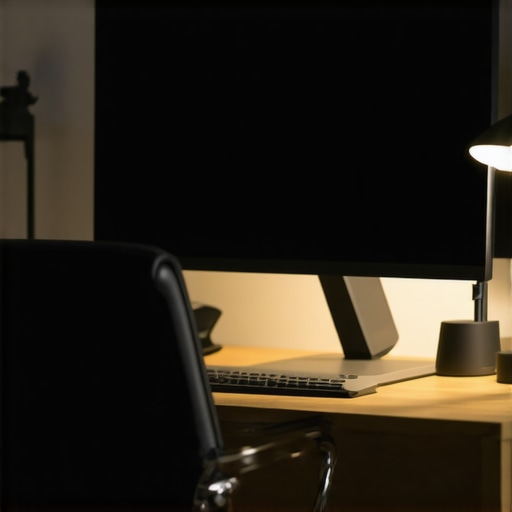
Bias lighting, as I learned from reputable sources like Ultimate Guide to Bias Lighting, helps reduce eye strain by providing a gentle backlight behind screens. I integrated a strip of bias lighting behind my monitor, which not only eased my eye fatigue but also made the display colors appear more vivid. This simple addition transformed my workspace, making late-night work sessions much more comfortable.
Choosing the Right LED Lamp: My Personal Approach
Finding the perfect LED desk lamp was daunting at first. I wanted something adjustable, energy-efficient, and with warm light options. After some research and personal testing, I settled on a lamp with dimming capabilities and a color temperature control. The right LED lamp can dramatically enhance your workspace ambiance, boost your mood, and improve productivity. For more on selecting suitable desk lamps, I recommend reading How to Choose the Perfect Desk Lamp.
What’s the Best Way to Combine Bias Lighting and LED Lamps?
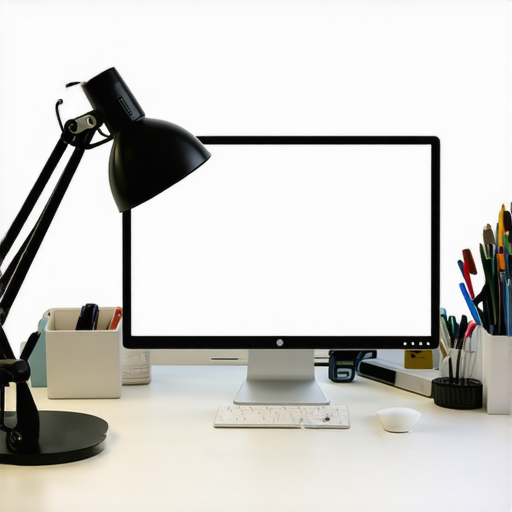
In my experience, combining bias lighting with a good desk lamp creates a layered lighting environment that is both functional and relaxing. I use bias lighting behind my monitor for reduced eye strain and a focused task light on my desk for detailed work. This combo provides flexibility and comfort, especially during long hours. The key is to ensure the lighting is not harsh or overly bright, which can negate the benefits. For more innovative tips, check out LED Lamp Innovations.
How can I ensure my workspace lighting adapts to different tasks and times of day?
This is a question I often ask myself. Fortunately, modern LED lamps offer adjustable brightness and color temperature, allowing me to customize lighting based on my needs. Dimming features and smart lighting options make it easy to switch from bright task lighting during the day to softer tones in the evening, creating a cozy atmosphere. Implementing these features can significantly improve your work environment and overall well-being.
If you’re considering upgrading your workspace lighting, I encourage you to explore various options and experiment with layering different light sources. Feel free to share your experiences or ask questions in the comments below. For additional ideas, you might find this bias lighting ideas article helpful.
How Can Smart Lighting Transform Your Workspace for Different Tasks?
One of the most promising developments in workspace lighting is the advent of smart LED solutions. These systems allow you to customize brightness, color temperature, and even set schedules that adapt to your daily routine. For example, during intense focus sessions, cooler, brighter light can boost alertness, while warmer, softer tones in the evening promote relaxation. Integrating smart lighting controls with your existing setup can be seamless and highly effective. For insights into the best smart lighting options, visit Effective Workspace Lighting.
What Are the Practical Benefits of Layered Lighting in a Home Office?
Layered lighting involves combining ambient, task, and accent lighting to create a balanced and flexible environment. Ambient lighting provides overall illumination, often from ceiling fixtures or LED panels. Task lighting, such as adjustable desk lamps, targets specific areas for detailed work. Accent lighting adds depth and reduces harsh shadows, enhancing visual comfort. This layered approach not only improves efficiency but also reduces eye strain and fatigue, especially during long working hours. Implementing this strategy can be as simple as adding a bias light behind your monitor and an adjustable desk lamp for task needs. Discover more about layered lighting at Workspace Lighting Solutions.
How Do You Balance Aesthetics and Functionality in Workspace Lighting?
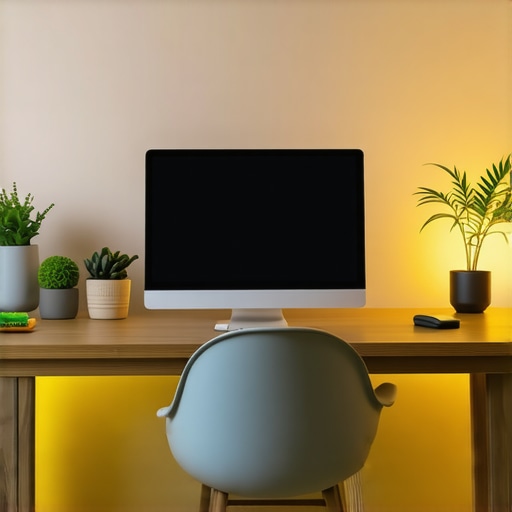
Striking the right balance involves choosing fixtures that are both visually appealing and practically effective. Modern LED lamps and bias lighting come in sleek designs that can complement your decor while providing optimal illumination. Consider adjustable fixtures that allow you to modify intensity and color temperature, ensuring your workspace remains inviting yet functional. Ergonomic placement of light sources is crucial—avoiding glare on screens and shadows on work surfaces enhances comfort and productivity. For expert advice on designing an appealing yet effective lighting scheme, explore Bias Lighting Ideas.
How Can I Future-Proof My Workspace Lighting Setup?
To ensure your lighting system remains relevant as technology evolves, opt for fixtures with upgrade capabilities, compatibility with smart home systems, and energy-efficient features. Modular designs allow easy replacements or additions, and choosing brands with a good track record ensures longevity. Additionally, staying informed about emerging lighting technologies and trends can help you adapt without major overhauls. Regularly reviewing your lighting efficiency and comfort can save costs and improve your workspace ambiance over time. For a comprehensive understanding of future-proof lighting, visit LED Lamp Innovations.
Embracing Personalization: Crafting a Lighting Environment That Resonates
One of the most rewarding aspects of upgrading workspace lighting is the ability to personalize your environment. Over time, I realized that effective lighting isn’t just about brightness; it’s about creating a mood that fosters creativity, focus, and comfort. I experimented with different color temperatures and intensities, discovering that warm light helps me unwind after a long day, while cooler tones boost alertness during intense work sessions. This nuanced control, especially with smart LED systems, allows me to tailor my workspace to my fluctuating needs, making each day more harmonious and productive.
The Subtle Art of Avoiding Glare and Shadows: My Personal Insights
While layering lights can significantly enhance your workspace, I’ve learned that the placement of fixtures matters just as much as their quality. Proper positioning of desk lamps and bias lighting prevents glare on screens and minimizes distracting shadows. I’ve found that adjustable fixtures with flexible arms give me the ability to refine lighting angles, reducing eye strain and maintaining visual clarity. Paying attention to these details turns a simple lighting setup into a finely tuned system that respects both function and aesthetics. For detailed guidance on ergonomic placement, explore ultimate guide to workspace lighting.
Advanced Smart Lighting: Beyond Basic Automation
My journey into smart lighting has been transformative. I started with basic dimming features but soon realized that integrating voice controls and automation routines elevated my workspace experience. Now, I schedule different lighting scenes for focused work, meetings, or relaxation, all with simple voice commands or app controls. The ability to sync lighting with my circadian rhythms has improved my sleep quality and overall well-being. Technologies like adjustable color temperatures and scene presets are game-changers, allowing me to seamlessly transition between different tasks and moods. For those interested in exploring smart lighting further, I recommend checking out LED lamp innovations.
What Deep Considerations Should You Make When Future-Proofing Your Lighting Setup?
Future-proofing isn’t just about choosing the latest gadgets; it’s about anticipating how your needs might evolve. I’ve learned to prioritize modular fixtures that can be upgraded or expanded, ensuring longevity and adaptability. Compatibility with emerging smart home systems and energy-efficient standards is crucial. Additionally, investing in high-quality, durable components reduces the need for frequent replacements. Staying informed about technological trends, such as IoT integration and sustainable lighting, helps me make smarter choices that stand the test of time. To stay ahead, I regularly review my setup and explore new innovations at bias lighting tips.
Would you like to share your own experiences or ask questions about transforming your workspace lighting? Feel free to connect through our contact page. Remember, the right lighting doesn’t just illuminate your space—it illuminates your potential.
Mastering Layered Lighting for Ergonomic Excellence
One of the most sophisticated techniques I’ve adopted is the integration of layered lighting, which involves harmonizing ambient, task, and accent lighting to craft a truly ergonomic workspace. This approach not only enhances visual comfort but also significantly reduces fatigue during prolonged periods of work. By strategically positioning dimmable LED panels for ambient light, adjustable desk lamps for task illumination, and subtle accent lights to highlight decor or architectural features, I’ve created an environment that adapts seamlessly to my changing needs. This dynamic setup fosters focus and relaxation while minimizing glare and shadows. For a comprehensive guide on implementing layered lighting effectively, explore Workspace Lighting Solutions.
Harnessing the Power of Circadian Lighting Cycles
Advancing beyond basic adjustable lighting, I’ve delved into circadian lighting principles, which align artificial light exposure with natural biological rhythms. Modern LED systems now offer tunable color temperatures that can simulate dawn, midday, and dusk, supporting my body’s natural cycles. This not only boosts alertness during peak hours but also promotes better sleep quality after work. Implementing such circadian-aware lighting required meticulous calibration to ensure smooth transitions and avoid disruptive flickering. According to a study published in Lighting Research & Technology, circadian lighting can enhance productivity and overall well-being when correctly applied. If you’re eager to explore this frontier, I recommend investigating Effective Workspace Lighting.
Integrating Smart Controls for Intuitive Lighting Management
My experience with smart lighting controls has been transformative, allowing me to automate and personalize my workspace lighting with unprecedented precision. Using voice commands or smartphone apps, I can effortlessly switch between predefined scenes optimized for focus, relaxation, or meetings. This automation extends to scheduling routines that adapt throughout the day, ensuring optimal illumination without manual intervention. The seamless integration with my smart home ecosystem has further enhanced this experience, enabling me to synchronize lighting with other devices for a holistic environment. For insights into the latest smart lighting innovations, visit LED Lamp Innovations.
Things I Wish I Knew Earlier (or You Might Find Surprising)
The Hidden Power of Layered Lighting
Initially, I underestimated how crucial it is to combine different types of lighting—ambient, task, and accent—to achieve a truly ergonomic workspace. Once I started layering my lights thoughtfully, my focus improved, and fatigue decreased noticeably. It’s like creating a symphony of illumination tailored to each task and mood.
Adjustability Is Your Best Friend
Finding a desk lamp with flexible brightness and color temperature was a game-changer. I discovered that being able to tweak my lighting based on the time of day or task helps me stay comfortable and alert. Don’t settle for static fixtures; adaptability offers a level of control that enhances productivity and well-being.
Bias Lighting Is More Than Just a Trend
Adding bias lighting behind my monitor reduced eye strain and made my screen colors pop. It’s a simple tweak that made a significant difference, especially during long hours. I wish I had started with bias lighting from the beginning—trust me, your eyes will thank you.
Smart Lighting Can Truly Elevate Your Routine
Integrating smart controls allowed me to create lighting scenes for different times of the day, boosting focus or relaxation as needed. Scheduling and voice commands meant I spent less time adjusting and more time working or unwinding. It’s a futuristic upgrade that feels surprisingly natural.
Don’t Forget to Consider Glare and Shadows
Proper placement of fixtures is essential to avoid glare on screens and shadows on work surfaces. Adjustable fixtures and careful positioning have helped me maintain visual clarity and reduce discomfort. Even with excellent equipment, the little details matter immensely.
Future-Proof Your Setup
Choosing versatile, upgradeable fixtures and staying informed about emerging tech ensures my workspace lighting remains relevant. I look for compatibility with smart home systems and energy efficiency, which saves costs and keeps my setup adaptable for years to come.
Resources I’ve Come to Trust Over Time
- Lighting Tech Essentials: A comprehensive source for practical lighting tips and product guides that I’ve relied on for years. Their insights helped me make informed decisions about my workspace lighting.
- Lighting Research & Technology Journal: An academic resource offering in-depth studies on circadian lighting and health impacts, deepening my understanding of how lighting affects well-being.
- Home Lighting Design Blogs: Personal blogs and expert articles that inspire creative layering and aesthetic integration, making my workspace both functional and inviting.
Parting Thoughts from My Perspective
Upgrading your workspace lighting in 2024 isn’t just about brightness; it’s about creating an environment that supports your focus, comfort, and health. Personalizing your lighting setup—layering different sources, adjusting parameters, and integrating smart controls—can transform your daily routine into a more enjoyable and productive experience. If this resonates with you, I’d love to hear your thoughts or tips. Feel free to share your journey or ask questions in the comments below. Remember, the right lighting doesn’t just illuminate your space—it illuminates your potential.

About the Author
Ricardo Vargas
Director of Operations and Product Development
Ricardo Vargas is a seasoned professional in the lighting industry, currently serving as a Director of Operations and Product Development
LinkedIn Profile