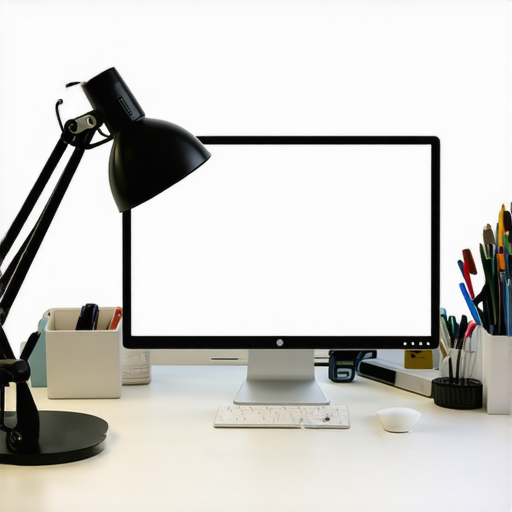
I remember the moment vividly—sitting at my desk late one evening, squinting at my screen through the blinding glare of my new LED lamp. It was supposed to help my productivity, but instead, it gave me a pounding headache and left me wondering if I had made a terrible mistake. That light felt more like a spotlight than a helpful glow, and I knew I wasn’t alone in this struggle. If your workspace lighting feels overwhelming or if you’re constantly adjusting your lamp to avoid eye strain, then you’re in good company. Today, I want to share a breakthrough that transformed my setup: mastering the art of the 3 Zone-Focus hacks for your LED lamp.
Why Bright Lights Can Hijack Your Focus—And How to Reclaim Your Workspace
Bright, unadjusted lighting can be more of an obstacle than a tool for efficiency. It’s like trying to work in a spotlight—you strain your eyes, suffer from fatigue, and your productivity plummets. Believe it or not, a 2022 study found that improper workplace lighting contributes significantly to eye discomfort and decreased work quality. But what if you could tailor your lighting to create zones that serve distinct purposes—working, relaxing, or video conferencing? That’s exactly what I discovered with the 3 Zone-Focus approach.
These hacks aren’t just about dimming or brightening; they’re about strategic placement and focus. Using a well-designed LED lamp with smart zones can dramatically ease eye strain and enhance contrast—making your digital life much more comfortable. Intrigued? Good. Let’s uncover how to tune your lighting for maximum comfort.
Will These Tricks Really Make a Difference or Just Be Overhyped?
Early on, I made a critical mistake—assuming that buying the brightest LED lamp would solve my lighting woes. Spoiler: it didn’t. Instead, I experienced more glare and less control. It wasn’t until I learned that proper zoning and focus are key that everything changed. Now, I want to ensure you don’t fall into the same trap. By the end of this, you’ll be equipped to implement practical, proven hacks that improve your workspace lighting instantly. Ready to take control of your glow? Let’s dive into the specifics of managing your LED lamp’s zones for optimal focus and comfort.
Divide Your Desk into Action Zones
Start by visualizing your workspace as three distinct areas: the primary work zone, the relaxation spot, and the video conferencing corner. Assign specific lighting to each to optimize focus and comfort. For example, a bright, focused light directly over your main work area helps you see details clearly, while a softer, warmer light in the relaxation zone reduces eye strain during breaks. I once rearranged my desk to create these zones, using tape to mark the areas, which helped me experiment without permanent changes. This initial setup was messy, but it clarified how lighting impacts each activity.
Pick the Right LED Lamp with Focused Zones
Select a smart LED lamp with adjustable zones or focus points. Think of this as having a Swiss Army knife for lighting—each zone can be tailored independently. When I upgraded my lamp to one with multiple adjustable heads, I gained granular control, similar to how a painter spots different parts of a canvas with a fine brush. Use models recommended in LED lamp innovations to find a device that offers precise zone control and dimming features.
Adjust Lighting Height and Direction for Each Zone
Position your lamp heads so they shine directly into their designated zones without causing glare. For instance, angle the primary work zone light downward at 45° to avoid reflecting off your monitor. Use a small level or a smartphone app to maintain consistent angles. I struggled initially with overhanging lights creating glare, but tweaking the angles reduced eye fatigue significantly. Think of your lighting like a stage setup—each spotlight must be carefully aimed. For more detailed positioning tips, check height fixes.
Implement Bias Lighting to Reduce Eye Strain
Adding bias lighting behind your screen creates a softer contrast, helping your eyes adjust between bright and dark scenes. It’s like wrapping your monitor in a gentle glow—think of it as a backstage pass for your eyes, reducing fatigue during long hours. Use adjustable bias lights set to 6500K for maximum comfort, as recommended in bias lighting tips. I found that positioning a thin LED strip a few inches behind my monitor provided a steady, flicker-free light that eased my visual load.
Tune the Brightness and Color Temperature
Set each zone to the appropriate brightness—brighter in the work zone (around 1000 lumens) and softer in relaxing areas (around 300-400 lumens). Use color temperatures of 6500K in work zones to emulate daylight, which boosts alertness, and switch to 2700-3000K in relaxation zones for a calming effect. During my setup, I used a smart app to toggle the intensity and warmth, ensuring that each zone supported its purpose without overwhelming the eye. Proper tuning prevents glare and maintains contrast, making your workspace more inviting and less fatiguing. For deeper insights, see color tuning guides.
Even though most people believe they understand workspace lighting, there are nuanced mistakes that can significantly impact your visual health and productivity. One widespread misconception is that brighter is always better. Many assume that cranking up the lamp’s brightness will enhance focus, but in reality, excessive luminance can cause glare and eye strain. Proper contrast and zoning are more effective, as explored in our guide on bias lighting and LED lamp innovations. A common myth is that ring lights are only for photography or beauty shots. In truth, using a ring light correctly positioned can eliminate shadows on your face during video calls, but many users place it too close or at the wrong angle, causing overexposure or glare. Advanced users understand that ring light placement is critical. Beware of the trap of uniform lighting solutions for all activities. Your workspace benefits from distinct zones with tailored lighting: bright, task-focused lighting for work, softer ambient light for relaxation, and specialized lighting for video conferencing. Overlooking these nuances can lead to suboptimal performance and increased fatigue. Regarding LED lamps, a significant mistake is ignoring the quality of the light spectrum. Low-CRI (Color Rendering Index) lights may seem adequate but can distort colors and cause eye stress during extended use. Experts recommend selecting high-CRI LED lamps to ensure color accuracy and reduce visual fatigue.
**Extended focus for advanced users:** Many believe that automatic brightness sensors are always beneficial, yet in practice, they can cause constant flickering or dimming at inopportune moments, disrupting concentration. This is often due to sensor miscalibration or incompatible ambient conditions. To truly master workspace lighting, you need to understand the limitations of these sensors and consider manual tuning or custom automation setups, which can be found in detailed guides like sensor calibration tips.
In summary, once you demystify these myths and avoid common pitfalls—like overemphasizing brightness, misplacing ring lights, or neglecting spectrum quality—you’ll craft a highly effective, comfortable workspace. Don’t fall into the trap of one-size-fits-all lighting—be strategic, intentional, and aware of the nuanced factors that truly improve your digital environment. Have you ever fallen into this trap? Let me know in the comments.Once you’ve optimized your workspace lighting, keeping it in top shape requires deliberate tools and practices. I rely heavily on a combination of high-quality LED lamps and smart control software to sustain consistent illumination, ensuring my environment adapts seamlessly to changing needs. For example, I personally use the Matte-optimized LED lamps that offer adjustable color temperature and brightness, which I fine-tune weekly to match my circadian rhythm. Regular calibration is vital; I set reminders every few months to reassess the color rendering and luminance levels, preventing gradual degradation that can affect visual clarity. Moreover, I employ a smart power strip with scheduling capabilities to automate off times, reducing wear on my equipment and conserving energy. Predicting future trends, I believe automation and AI-driven lighting systems will become the norm, enabling environments that respond dynamically to ambient conditions and user preferences, much like current advancements in sensor integration. To maintain your setup effectively, I recommend implementing a routine check using software that monitors light output and quality—this proactive approach ensures consistent performance without the surprises of aging equipment. How do I maintain my lighting system over time? I carefully follow manufacturer calibration guidelines and stay informed through industry insights, like those found in our support center, to troubleshoot potential issues before they escalate. One practical step you can take today is to schedule a monthly review of your lighting zones, adjusting settings via your smart controls to keep your workspace bright, comfortable, and productive. Investing in these habits and tools transforms a static setup into an adaptable, efficient environment that sustains your focus day after day.
3 Surprising Truths I Realized About Perfecting My Desk Illumination
- Sometimes, less is more—finding that optimal brightness level transformed my focus and reduced fatigue.
- Custom zones are game-changers; tailoring light to specific areas made my workspace feel more comfortable and efficient.
- Quality over quantity—investing in high-CRI, adjustable LED lamps paid off by improving color accuracy and eye comfort.
- Experimentation is key—adjusting angles and intensity taught me what truly works for my unique setup.
My Toolkit for Lighting Success in the Workspace
- Smart LED lamps with zone control—these are essential for tailored lighting solutions that adapt to my needs.
- Adjustable mounting accessories—helps me position lights precisely without glare or reflection.
- Bias lighting strips—provides gentle backlighting to reduce contrast-related eye stress during extended work sessions.
- Color temperature calibration tools—ensure each zone mimics natural daylight or soft warm light depending on activity, boosting comfort and productivity.
Seize the Moment: Transform Your Workspace Today
Optimizing your workspace lighting isn’t just about fitting the latest trends—it’s about creating an environment that nurtures your focus, comfort, and well-being. Embrace these insights and tools, and watch as your digital life becomes more harmonious and efficient. Remember, mastery begins with small adjustments—start experimenting now and enjoy the difference it makes. How will you personalize your workspace lighting to suit your daily needs? Share your plan or ask for tips in the comments below!

About the Author
Ricardo Vargas
Director of Operations and Product Development
Ricardo Vargas is a seasoned professional in the lighting industry, currently serving as a Director of Operations and Product Development
LinkedIn Profile