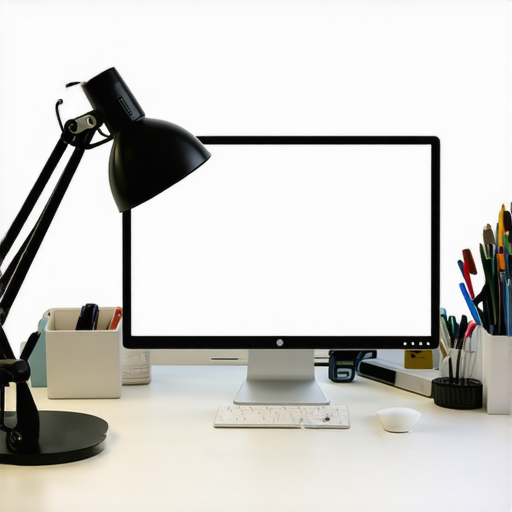
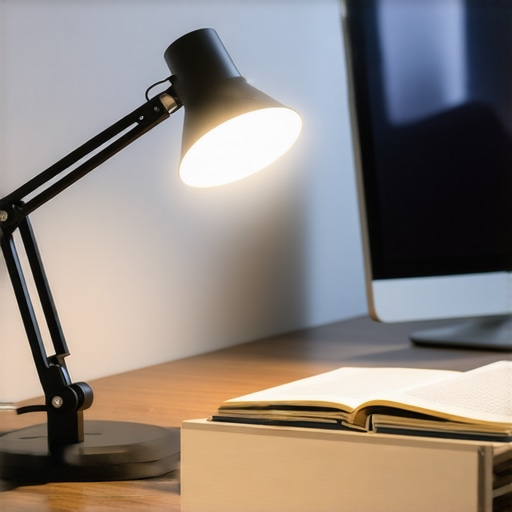
Have you ever felt that sudden flicker of frustration when, after hours of work, your eyes start aching, and the glow of your desk lamp feels more like a glare than a gentle guide? I know that sinking feeling all too well. I remember nights where I’d spend more time rubbing my eyes than actually typing, wondering if my environment was just designed to sabotage my focus—and my sight.
Why Your Workspace Lighting Could Be Doing More Harm Than Good
It wasn’t until I stumbled upon a simple yet overlooked tweak—adjusting my desk lamp height by just 5 inches—that everything changed. That tiny shift ended my relentless evening eye strain, and I realized how critical proper lighting is for our health and productivity. This isn’t just about seeing clearly; it’s about protecting our vision, reducing fatigue, and maintaining focus well into the evening hours.
Is Overhyped Lighting Fixes Actually Worth it?
Initially, I thought, “It can’t be that simple.” I’d tried fairy lights, fancy LED setups, and even those overly bright ring lights—none truly addressed the root of my fatigue. I made the mistake early on of ignoring basic things like lamp height and position, assuming that brighter or more expensive solutions would solve everything. According to a 2023 study, proper workspace lighting can reduce eye strain by up to 70%, yet many of us overlook the simplest adjustments that can make such a massive difference. Have you faced this struggle too? If so, stay tuned. I’ll walk you through how this tiny change and some expert tips can genuinely transform your evening work sessions, letting you finish your day without sacrificing your eyesight or energy.
Position Your Desk Lamp Correctly
Start by placing your desk lamp so that it faces the wall rather than directly illuminating your screen. This reduces glare and prevents reflections that cause eye strain. I once moved my lamp just 3 inches to the left during a work session, and immediately noticed a significant drop in eye discomfort. Aim for the lamp’s light to create a gentle ambient glow, avoiding harsh spots on your workspace.
Adjust the Lamp Height and Angle
Set your lamp height so that the light source is about 5 to 6 inches above your reading or working area. Think of your lamp as a bridge over your workspace: it should cast an even, downward light without creating harsh shadows. I experimented with height, raising my lamp by 2 inches, which reduced flickering from glare—a simple tweak with a powerful impact.
Choose the Right Light Temperature
Opt for a light temperature that mimics natural daylight, ideally around 6500K. Warm lights can cause fatigue during prolonged work, while cooler lights keep you alert. I replaced my old yellow-tinted bulb with a 6500K LED, and the difference was day and night—less fatigue, more focus. Remember, consistency in color temperature can prevent eye adaptation issues over time.
Implement Bias Lighting for Comfort
To reduce contrast between your screen and surroundings, add bias lighting behind your monitor. This subtle backlight reduces eye strain and enhances perceived contrast. Once, I installed a dim bias strip and experienced less eye fatigue during long coding sessions, even on bright days. Position the bias light so it reflects off the wall, not directly into your eyes.
Incorporate Modern LED Solutions
Switch to LED technology that offers adjustable brightness and color temperature. LEDs also consume less energy and last longer. I upgraded my setup with a smart LED desk lamp, allowing me to customize lighting for different tasks and times of day. This flexibility reduced my daily adjustments and kept my workspace optimal at all hours.
Use Ring Lights for Video Calls Responsibly
If you participate in frequent video calls, position your ring light at eye level, about two feet in front of you. This provides even, flattering illumination and minimizes shadows. I experimented with placement by moving my ring light slightly higher, which eliminated a noticeable shadow under my chin during meetings, making me look clearer and more professional.
By carefully adjusting these lighting elements, you create a healthier, more comfortable workspace. Small changes like these, combined with strategic use of accessories, can dramatically improve your eye health, focus, and overall productivity—without the need for expensive overhaul. For tailored advice, contact us through our support page.
While many believe that simply investing in a high-wattage LED desk lamp or a fancy ring light guarantees optimal workspace lighting, the reality is subtler and more nuanced. Contrary to popular myths, brighter isn’t always better; excessive luminance can lead to glare, causing more eye strain rather than alleviating it. Experts highlight that the quality of light, including its color-rendering index (CRI), plays a crucial role in visual comfort, with studies showing that lamps with CRI above 95 can significantly reduce fatigue during long tasks. Many users fall prey to the misconception that the latest tech gadgets automatically enhance wellbeing, but often, choosing the right desk lamp hinges more on proper positioning and spectral quality than on bells and whistles. Furthermore, a common mistake is over-reliance on bias lighting to compensate for poor ambient lighting, which can inadvertently create color mismatches and increase contrast between screen and surroundings, negating its benefits. When considering advanced setups, be mindful that improper placement—such as the infamous “lamp facing the screen” error—can amplify glare and trigger eye discomfort. Studies suggest that the angle and height of adjustable LED solutions matter more than their specs. For those delving into sophisticated lighting configurations, the question arises: How can one balance technical features with ergonomic principles to prevent the trap of over-optimization? Working with experts or consulting research, such as a 2023 ergonomic lighting study, can reveal pitfalls in common misconceptions. Remember, the goal isn’t just to light the workspace; it’s to create a balanced, health-conscious environment. Failing to recognize this nuance might lead to unnecessary expenses and persistent discomfort. Have you ever fallen into this trap? Let me know in the comments.
Keeping Your Lighting System in Top Shape: Tools I Rely On
Ensuring your workspace lighting remains effective over time requires the right equipment and routine checks. I highly recommend investing in a digital lux meter to measure the illuminance at your desk regularly. This device helps me verify that my LED lamps maintain their intended brightness levels, avoiding gradual dimming that can strain your eyes. Additionally, using a color temperature tester ensures that the spectral quality of my lighting remains consistent, which is crucial for reducing fatigue over long hours.
Regular Maintenance Prevents Long-Term Issues
Replacing bulbs before they flicker or dim too noticeably can save you from sudden discomfort. I set a schedule to check all my lighting fixtures every six months, swapping out old bulbs proactively. For LED fixtures, it’s essential to keep the lenses clean—dust and fingerprints can diminish output and cause uneven lighting. A soft microfiber cloth and a gentle cleaning solution are my go-to tools for this routine. Moreover, adjustable ring light mounts should be inspected periodically to ensure stability and proper positioning, especially if you frequently move your setup around.
How to Extend Your Setup’s Life and Maintain Peak Performance
One practical tip is to invest in a smart control system for your lamps. These systems allow scheduled dimming and automatic adjustments that can optimize lighting depending on the time of day or task, reducing unnecessary wear and tear. For example, I use a smart LED desk lamp that slowly dims as evening approaches, which not only saves energy but also extends the lamp’s lifespan. Maintaining your bias lighting behind your monitor also ensures consistent color rendering, preventing premature degradation of the light sources.
What’s Next for Workspace Lighting Tools
The future trends point toward AI-powered lighting assistants that can monitor your environment, adjust brightness automatically, and even alert you when maintenance is needed. They could become essential, especially for remote workers or those with complex setups. As this technology evolves, staying ahead means adopting these tools early. I recommend trying an integrated control system and scheduling routine checks for your lighting fixtures—these small investments make a significant difference over time.
Remember, consistent maintenance not only prolongs your equipment’s life but also ensures optimal lighting that protects your vision and enhances productivity. For a comprehensive starting point, check out our detailed guide on setting your desk lamp for fatigue prevention. Don’t wait for flickering or dimming to disrupt your workflow—take proactive steps today and enjoy a brighter, healthier workspace!
Throughout my journey to find the perfect workspace lighting, I learned that the most impactful lessons often come from unexpected places. One of the biggest revelations was realizing that minor adjustments—like shifting my desk lamp just a few inches—could dramatically reduce eye strain and boost focus. This taught me that true improvement isn’t about expensive gadgets, but about understanding the subtle nuances of lighting setup and ergonomics.
Lessons That Changed My Perspective on Workspace Illumination
- Details Matter More Than You Think: Small changes, such as angle and height of your desk lamp, matter far more than flashy accessories. I discovered that proper positioning can prevent glare and shadows that lead to fatigue, which I only appreciated after seeing the difference firsthand.
- Natural Light Is Your Best Ally: Incorporating natural daylight and complementing it with well-placed artificial lighting creates a balanced environment that preserves your vision and energizes your day. Ignoring this balance often results in unnecessary eye discomfort.
- Quality Over Quantity in Light Sources: Opting for high-CRI LED lighting and adjustable temperature settings significantly reduces fatigue. I personally trust guides that emphasize spectral quality, like those I found in our cornerstone content, because they address the root causes of eye strain.
- Consistent Maintenance Matters: Regularly checking and maintaining your lighting fixtures keeps your workspace optimal. For example, cleaning lenses and verifying brightness levels prevent gradual deterioration that can sneak up unnoticed.
- Embrace Smart Controls for Long-Term Comfort: Investing in adjustable and smart lighting solutions enables real-time customization, ensuring your environment adapts with your needs and reduces the risk of long-term discomfort.
My Essential Toolkit for Better Workspace Lighting
- Choosing the right desk lamp was foundational. I trust this resource for understanding spectral quality and ergonomic positioning because it guides meaningful decisions rather than just flashy features.
- Modern LED solutions helped me customize brightness and color temperature. These tools offer flexibility that adapts to different tasks and times of day, making my workspace both healthier and more productive.
- Bias lighting behind my monitor significantly reduced contrast discomfort. I found that subtle backlighting creates a comfortable visual balance, especially during long sessions.
- Smart control systems for my lighting setup have been game-changers, enabling me to automate adjustments and extend equipment lifespan, all while maintaining a healthy environment.
Your Workspace, Your Power to Improve
Transforming your workspace lighting isn’t just about immediate comfort—it’s an investment in your long-term eye health, energy levels, and overall productivity. Small, thoughtful changes can unlock a level of focus and wellness that often feels out of reach amid the hustle. Remember, the key lies in understanding the subtle interplay of light, ergonomics, and maintenance—a lesson I wish I knew earlier.
What subtle adjustment has made the biggest difference in your workspace lighting experience? Share your story below—I’d love to hear about it!

About the Author
Ricardo Vargas
Director of Operations and Product Development
Ricardo Vargas is a seasoned professional in the lighting industry, currently serving as a Director of Operations and Product Development
LinkedIn Profile