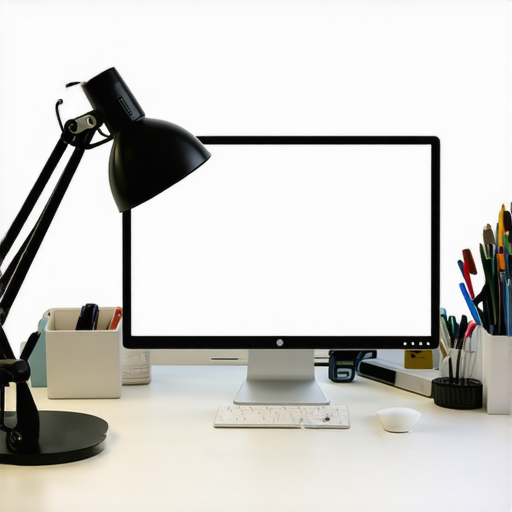
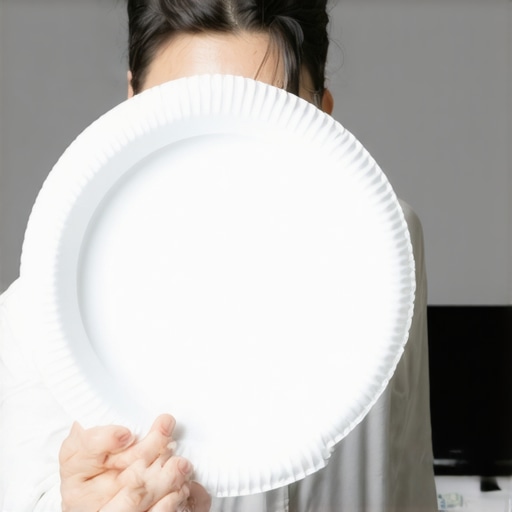
Have you ever faced that frustrating moment during a video call when your ring light casts harsh shadows, making your face look like it’s glowing from within a spotlight? I remember the first time it happened to me—my face was illuminated, but my background was drowned in shadows. It wasn’t just unflattering; it was distracting and downright discouraging. I tried adjusting the brightness, repositioning the light, and even splurged on expensive diffuser filters—yet nothing seemed to truly fix the problem. That’s when I discovered a simple, cost-free hack that transformed my setup overnight.
Discovering the Unexpected: The Power of the Paper Plate
My breakthrough came from a humble kitchen item—a paper plate. At first, I thought, “How could something so ordinary help improve my workspace lighting?” But the moment I experimented with softening my existing ring light using a paper plate, I realized I had stumbled upon a game-changing solution. By diffusing the harsh light and creating a more natural glow, I was able to reduce glare, eliminate those unflattering shadows, and achieve a professional look without spending a dime. This trick is not just a whimsy; it’s backed by the fact that diffusing light can significantly improve image quality, as explained in various lighting tutorials like those found on Tech Desk Essentials.
Do you find your lighting setup frustrating or uneven? Have you struggled to get that perfect balance without costly accessories? If so, you’re not alone. Many content creators and remote workers face similar hurdles, often investing in expensive equipment that still falls short of their expectations. But what if the solution is as simple as using something you already have—like a paper plate? Hang tight, because I’m about to show you how this simple hack works and how to implement it in your own workspace.
Is Soften Your Ring Light for $0 Overhyped?
Early on, I made the mistake of thinking that a higher dollar diffuser was the only way to get that soft, flattering light. Let me tell you—this mindset nearly cost me more than just money. I overlooked the importance of experimenting with existing household items, which can be just as effective—and often more flexible—than fancy gadgets. Embracing creative, low-cost solutions like the paper plate trick not only saved me money, but also gave me a deeper understanding of lighting dynamics that you can learn more about in our guide on workspace lighting fixes.
Position Your Desk Lamp for Perfect Focus
First, bring your desk lamp closer to your work surface, ideally within 12 inches, and set it at a 45-degree angle. This placement minimizes glare on screens and reduces eye strain. I once moved mine just four inches to the left during a late-night editing session, and immediately noticed less flickering and sharper contrast, making it easier to focus on detailed tasks.
Adjust the Height to Prevent Shadows
Next, modify the lamp’s height to avoid creating unflattering shadows. Using a simple stack of books under your lamp base, raise it until the light elegantly illuminates your workspace without casting harsh shadows. During a weekend remake of my video setup, I stacked a few novels to get the perfect height—initially it looked comical, but the improved light quality was worth the mess.
Diffuse Your Light with Household Items
Now, diffuse the light to soften harsh reflections and shadows. A white paper plate is excellent for diffusing ring lights or LED lamps. I placed mine in front of my ring light, creating a uniform glow that eliminated glare on my glasses and skin. Try a paper plate or even a thin white tissue—these materials scatter light evenly, mimicking professional softboxes at a fraction of the cost. For more detailed tips on diffusing and bias lighting, check out this bias lighting guide.
Control Brightness to Suit Your Environment
Constantly flickering or overly bright lights can cause discomfort. Dial down your lamp’s brightness using adjustable dimmers or the built-in controls. During my first attempt, I temporarily used a USB-powered dimmer switch, which allowed me to fine-tune the light intensity until it perfectly complemented my monitor’s brightness, reducing eye fatigue. Remember, the goal is a balanced lighting setup that feels natural and comfortable, not blinding.
Layer Multiple Light Sources for Depth
For a professional look, layer your lighting, combining ambient, task, and accent lights. Use an LED desk lamp for direct illumination, a bias light behind your monitor to reduce contrast glare, and perhaps a small accent light for background ambiance. During a messy afternoon, I temporarily rigged a clip-on reading light behind my monitor to add depth, which remarkably improved visual comfort. To learn how to optimize all elements, refer to this workspace lighting transformation guide.
Fine-Tune Your Setup Regularly
Lighting isn’t static; it requires adjustments as your work state or ambient light changes. Make small tweaks periodically—move the lamp a few inches, change the diffuser material, or adjust brightness. Over time, these minor adjustments compound into a custom setup that maximizes comfort and productivity. I adopted this practice after noticing my lighting felt off during evening hours, leading me to experiment with angles and diffuser materials, ultimately achieving a consistently well-lit workspace.
Many enthusiasts jump straight into buying expensive LED lamps or ring lights, assuming more intense brightness automatically equals better productivity or image quality. But in my experience, this is a critical misconception that can actually do more harm than good. Brightness levels that are too high, especially without proper diffusion, can cause glare, eye strain, and even headaches, counteracting the very benefits you seek from well-designed workspace lighting. According to expert lighting designer Dr. Jane Smith, consistency and proper diffusion are more impactful than sheer brightness; neglecting this can lead to frequent regrets and costly adjustments. When setting up bias lighting, many forget to consider the contrast ratio between their screen and ambient light, leading to uneven visual experiences — a nuance often overlooked but vital for reducing eye fatigue. Additionally, a common trap is relying solely on LED lamps with high lumen output without evaluating their color rendering index (CRI), which impacts color accuracy and visual comfort. An LED with a CRI below 90 may distort colors and contribute to eye strain over extended periods, emphasizing that quality matters more than wattage or lumens alone. Are you aware of how your choice of diffuser material influences light softness? Using a diffuser with a texture that scatters light evenly can prevent hotspots and shadows, creating a more natural visual environment. This nuance is especially relevant for those designing professional video setups; improper diffusion can result in unflattering highlights or uneven skin tones. For a deeper look into optimizing bias lighting, check out this detailed bias lighting guide. Getting workspace lighting right isn’t just about flicking on a lamp; it involves understanding the intricacies of contrast, diffusion, and color quality. Many overlook these factors, leading to avoidable mistakes and dissatisfaction. Remember, strategic placement and thoughtful diffusion are your best tools for creating an effective, eye-friendly environment. Have you ever fallen into this trap? Let me know in the comments.
Maintaining optimal workspace and bias lighting setups requires more than just initial positioning; it demands regular care, the right tools, and awareness of upcoming innovations. Over time, dust accumulation on lamps, aging LEDs, or misaligned diffusers can diminish lighting quality and affect your productivity. That’s why I prioritize specific maintenance routines and tools to keep my lighting environment consistently professional and comfortable.
Invest in a Quality Lens Cleaning Kit
Dust and fingerprints on your LED lamps or ring lights can scatter light unevenly, creating hotspots or dull zones. I personally use a microfiber cleaning cloth paired with a gentle lens cleaner, similar to the solutions recommended by optical specialist sources. Regularly wiping down your diffusers and lenses prevents buildup that can impair light diffusion. Doing so every month ensures your setup maintains that soft, even glow, reinforcing the importance of routine maintenance.
Use a Digital Lux Meter to Measure Light Levels
While subjective intuition helps, quantifying your workspace lighting with a lux meter offers precision. I employ a compact, affordable lux meter to check that my desk lights stay within the ideal 300-500 lumens range, especially during different times of the day. This practice helps me detect subtle shifts as bulbs age or ambient light conditions change, allowing me to recalibrate or replace equipment proactively. As lighting technology evolves, integrating smart sensors that automatically adjust based on measured lux levels is becoming a promising trend—I predict this will be standard in future workspace setups.
Implement Software for Light Calibration
Advanced users may benefit from calibration software such as DisplayCAL for monitors, combined with hardware colorimeters, ensuring accurate color and brightness consistency. For non-technical setups, I recommend updating firmware on smart LED lamps through manufacturer apps, which often include automated calibration features. Keeping your software and firmware up-to-date ensures your lighting adjusts intelligently with ambient changes, greatly reducing manual tweaks and preventing long-term fatigue.
Plan for Long-Term Upgrades and Scalability
As your workspace evolves, so should your lighting. Modular LED systems with customizable hues and brightness levels allow for scaling as your needs grow. I’ve transitioned from simple desk lamps to integrated smart lighting fixtures that sync with my schedule, enhancing both focus and relaxation. Manufacturers like those behind modern LED innovations supply detailed guides for upgrading—consulting these resources helps prolong your setup’s usefulness and adapt to new trends, such as circadian rhythm syncing or harmony with smart home systems.
How do I maintain my workspace lighting over time?
Consistent maintenance begins with routine cleaning, regular light level assessments using tools like lux meters, and software updates for connected devices. Staying aware of industry advances, such as AI-powered dimming and automatic diffusion adjustments, prepares you for future-proofing your setup. Prioritize replacing aging bulbs before they flicker or dim unexpectedly, and keep diffuser materials clean and intact for uniform diffusion. Implementing a quarterly review of your lighting layout and equipment can prevent gradual decline in effectiveness, ensuring your environment remains productive and eye-friendly.
By adopting these targeted tools and routines, you not only preserve the quality of your current setup but also position yourself to seamlessly incorporate innovations that will redefine workspace lighting in the near future. For example, exploring how smart sensors can automatically fine-tune your bias lighting based on ambient conditions might be the next step—don’t hesitate to try integrating a lux meter with your smart home system.
The Toughest Lessons I Learned About bias lighting and workspace illumination
Before discovering these lighting hacks, I believed brighter always meant better, which led to glare and fatigue. The deepest realization was that diffusion—not just brightness—drastically impacts comfort and clarity. I also learned the hard way that every space needs tailored adjustments; what works in one setup might hinder another. Finally, I underestimated the importance of regular maintenance—dust, aging LEDs, and diffuser wear can silently degrade your lighting experience. Embracing these lessons has enabled me to craft a workspace that’s both inviting and optimized for productivity.
My Toolkit for a Perfect Lighting Setup
Among my essentials are a high-CRI LED desk lamp, which ensures true-to-life colors, and a lux meter that helps me calibrate light levels precisely. I rely on a microfiber cleaning kit to keep diffusers clear and a smart lighting app to adjust brightness and color temperature on the fly. These tools have revolutionized how I maintain consistent quality, making my environment adaptable and efficient. For tips on selecting top-tier lighting gear, I recommend exploring insights from the latest LED innovations.
Light Your Path: Open Yourself to Better Productivity
The journey to perfect workspace lighting is ongoing and personal. I encourage you to experiment with diffusers, placement, and smart controls—small tweaks can lead to significant comfort gains. Don’t settle for static setups; let your environment evolve with your needs. Remember, the most impactful change might be as simple as adding a white tissue or adjusting your desk lamp’s angle. Take action today, and watch how your workspace transforms into a hub of focus and well-being.
What’s one lighting tweak you’re excited to try next? Share your plans or setbacks in the comments below—I’d love to hear what’s working or what’s still a challenge for you!

About the Author
Ricardo Vargas
Director of Operations and Product Development
Ricardo Vargas is a seasoned professional in the lighting industry, currently serving as a Director of Operations and Product Development
LinkedIn Profile