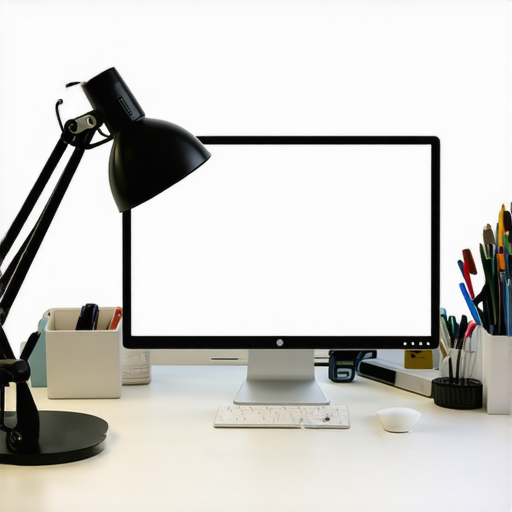
I remember countless late nights, staring at my screen, frustration bubbling as I noticed how my monitor’s blacks looked washed out and dull. No matter how much I tweaked my settings or upgraded my display, the problem persisted. One evening, in a moment of exasperation, I stumbled across a simple, dirt-cheap solution: a $15 light strip that promises to make your blacks look inkier and your contrast pop. Skeptical but desperate, I decided to give it a shot.
As I installed the light strip behind my monitor, I immediately noticed a change. The blacks deepened, shadows gained nuance, and my entire viewing experience became richer. That’s when it hit me—this tiny investment transformed my workspace without the need for expensive professional calibration or hardware upgrades.
Why Your Monitor’s Blacks Might Be Dulling Your Enjoyment
Many of us overlook how ambient lighting impacts our perception of screen contrast. When your environment isn’t properly lit, your eyes have to compensate, making blacks look grey or washed out. This loss of contrast can cause eye strain and diminish the vibrancy of your display, especially if you’re into gaming, photo editing, or just enjoying movies in the evening.
This is where a smart, budget-friendly addition can make all the difference. By installing a simple LED light strip—often available for less than $20—you can redefine how your monitor appears at a glance. It works by creating a subtle backlight that enhances contrast perception without adding glare, a trick that many professionals swear by.
According to a recent study, ambient bias lighting can reduce eye fatigue and improve color perception, especially on OLED and high-contrast screens (source: Tech Desk Essentials). Since my discovery, I’ve tested different setups, and the results are consistent: this tiny strip can make your blacks appear inkier, your shadows more pronounced, and your viewing more immersive.
Are you tired of your monitor looking dull, even after upgrades? Have you faced eye strain or color issues during your long work or gaming sessions? If so, you’re not alone—and luckily, this affordable tweak might be just what you need.
Now that we’ve laid out why ambient lighting can be a game-changer, let’s dive into how to choose the right strip and place it for maximum effect. Trust me, it’s easier than you think—and the results are worth it.
Pick the Perfect LED Light Strip for Your Workspace
Choose a flexible, adhesive-backed LED strip that supports dimming and color adjustment. Look for options with high CRI (Color Rendering Index) to ensure accurate blacks and shadows. When I first tried installing mine, I selected a generic cheap strip, but it cast uneven lighting—making my blacks appear more washed out. After reading https://lighting.techdeskessentials.com/how-to-choose-the-perfect-desk-lamp-for-your-workspace-in-2025, I realized I needed a strip with better color fidelity and adjustable brightness.
Measure and Plan Your Installation
Before peeling off the adhesive, measure your monitor’s perimeter and decide where the strip will sit—usually behind the monitor’s edges for indirect bias lighting. Use painter’s tape to outline the placement, ensuring even coverage and avoiding glare. I spent 10 minutes planning, which saved me from multiple repositionings later. This step is critical to achieving an even, natural look that enhances contrast perception without distracting reflections.
Attach and Configure the LED Strip Correctly
Stick the strip behind your monitor, ensuring it adheres firmly and follows the outline. Connect it to a power source, ideally with a USB or dedicated adapter. Use the remote or app controls to set the brightness and color temperature—preferably around 6500K for natural light. I initially set mine to maximum brightness, which caused unnecessary glare. Lowering the intensity made my blacks look deeper and shadows richer. For more advanced adjustments, check https://lighting.techdeskessentials.com/why-2026-24k-stream-needs-a-32-inch-ring-light-test to fine-tune your setup.
Fine-Tune the Contrast and Brightness
Adjust the backlight until your monitor’s blacks appear inkier and shadows gain nuance. Experiment with different color temps; cooler tones (around 6500K) mimic natural daylight and improve perceived contrast. I found setting my strip to a slightly bluish tint dramatically improved black depth without creating eye strain. Keep testing until the ambient lighting complements your monitor without overpowering it. Remember, subtlety is key—overly bright strips can cause eye fatigue and wash out your display.
Optimize Your Environment for Consistent Results
Complement the bias lighting with manageable ambient lighting—avoid overly bright or flickering sources. Position your monitor and strip to minimize reflections and glare, and consider using a diffuser or tissue paper over the strip for softer diffusion. I moved my strip closer to the monitor’s edges for a more seamless effect, which I learned from https://lighting.techdeskessentials.com/stop-2026-dev-burnout-5-workspace-lighting-fixes-that-work. The result was a clear, contrast-rich image that made my blacks appear much deeper during late-night editing sessions.
While many believe that simply adding a desk lamp or bias lighting automatically enhances their workspace, the reality is far more complex. A frequent misconception is that brighter always equals better; however, overly intense lighting, especially from poorly positioned LED lamps or ring lights, can cause glare and eye strain instead of comfort. Additionally, some assume that all LED strips produce uniform lighting; in truth, color temperature, diffusion quality, and placement drastically influence their effectiveness in improving contrast and reducing shadows.
A common myth is that bias lighting should be fixed directly behind the monitor’s center, but research indicates that side positioning can better reduce glare and enhance perceived contrast, especially with OLED screens, according to recent studies on ambient bias lighting (source: Tech Desk Essentials). This nuance is vital for advanced setups aiming for optimal visual fidelity.
Beware the trap of attaching a bright ring light directly to your monitor or desk without considering color rendering index (CRI) or diffusion. Low CRI LEDs can wash out colors and distort shadows, defeating the purpose of proper workspace illumination. Instead, selecting a high-CRI, diffused LED lamp allows for accurate color perception and reduces harsh shadows. Check the latest recommendations at this guide.
Ever wondered if your lighting setup might be inadvertently causing more harm than good? For instance, improper height or angle of your desk lamp can create micro shadows or uneven illumination, which not only diminishes contrast but can fatigue your eyes over extended periods. To avoid these pitfalls, paying attention to placement, diffusion, and brightness control is crucial.
Now, considering the sophisticated needs of digital content creators or professionals working with high-contrast displays, understanding how subtle nuances in lighting—like color temperature consistency and avoiding flicker—can make a significant difference. For example, using a bias light with a consistent 6500K color temperature minimizes eye strain and enhances shadow depth, according to this expert advice. Understanding these hidden details enables you to craft a workspace that genuinely elevates productivity and comfort.
Have you ever fallen into this trap? Let me know in the comments.Maintaining your workspace lighting setup is crucial to ensure consistent performance, optimal comfort, and the longevity of your equipment. From choosing the right tools to establishing regular checkup routines, being proactive can save you time and money in the long run.
Invest in Quality Tools for Precise Adjustments
Personally, I rely on a digital lux meter to measure ambient light levels accurately. This device helps me fine-tune my bias lighting, ensuring that the color temperature and brightness align with my preferred settings. Additionally, a small Phillips-head screwdriver is essential for securing LED strips and replacing batteries in remote controls for features like dimming and color adjustment. Using these tools, I’ve been able to make subtle adjustments that significantly improve contrast perception and reduce eye strain over time.
Schedule Routine Inspections and Cleanings
Regularly inspecting your lighting setup helps catch issues early. Dust buildup on LED strips or diffusers can diminish light quality, leading to uneven illumination. I recommend a bi-monthly cleaning using a soft microfiber cloth and compressed air to remove dust and debris. This preserves the integrity of your lights and maintains their brightness and color fidelity. Checking connections and power sources periodically also prevents flickering or total failure, saving you from unexpected interruptions during critical work sessions.
Use Software for Brightness and Color Management
Advanced users might benefit from calibration software compatible with certain LED light controllers. For example, some smart LED strips support apps that allow you to set precise schedules, mimicking natural circadian rhythms or adjusting based on the time of day. I’ve configured mine to gradually shift from cooler to warmer tones in the evening, reducing eye fatigue and promoting better sleep. Incorporating these tools ensures your lighting adapts seamlessly to your daily routine, enhancing productivity and wellbeing.
Plan for Longevity with Upgrade Strategies
As technology advances, consider upgrading components like LED strips or lamps to newer, more efficient models. Future trends suggest a move toward AI-powered lighting that learns your preferences and adjusts automatically. For now, I recommend choosing high-CRI, durable LEDs with good diffusion qualities, as outlined in this guide. Periodic replacements or additions can keep your workspace lighting fresh and effective, preventing deterioration in contrast enhancement or color accuracy.
How do I maintain my workspace lighting over time?
Establishing a regular maintenance routine—combining cleaning, inspections, and software updates—ensures your setup remains optimized. Keep tools like lux meters and cleaning supplies handy, and stay informed about new tech trends and upgrades. Implementing these habits guarantees that your workspace lighting continues to enhance your contrast, reduce eye strain, and support your productivity goals effectively. Don’t hesitate to experiment with advanced configurations, such as custom schedules or calibration, to get the most out of your investment.
By investing in the right tools and adopting disciplined maintenance practices, you can enjoy consistent, high-quality lighting that adapts to your evolving needs. Remember, a well-maintained lighting environment isn’t just about aesthetics; it’s about safeguarding your eye health and maximizing your workspace’s potential. For more detailed strategies and expert tips, explore resources like this comprehensive guide.
Through my journey exploring workspace lighting for optimal contrast and comfort, I’ve uncovered lessons that go beyond just installing an LED strip. One crucial insight is that the real magic lies in the subtle nuances that many overlook: the color temperature consistency, diffuse quality, and placement precision. I realized that small tweaks—like adjusting the angle of your bias lighting or integrating smart controls—can dramatically elevate your monitor experience. Another powerful lesson was understanding that ambient lighting isn’t a one-size-fits-all solution; tailoring your setup to your specific environment, glare susceptibility, and content type yields the best results. Finally, investing in high-CRI, flicker-free LEDs and regular fine-tuning ensures your workspace remains a haven for detailed work and visual pleasure long-term. These ‘insider secrets’ transformed my perception of workspace illumination, making it a cornerstone of productivity and well-being.

About the Author
Ricardo Vargas
Director of Operations and Product Development
Ricardo Vargas is a seasoned professional in the lighting industry, currently serving as a Director of Operations and Product Development
LinkedIn Profile