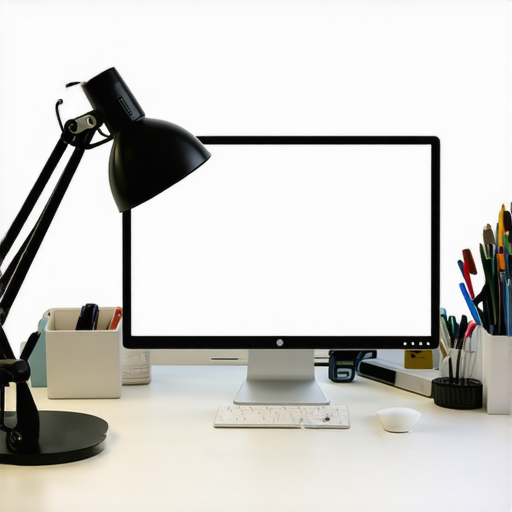
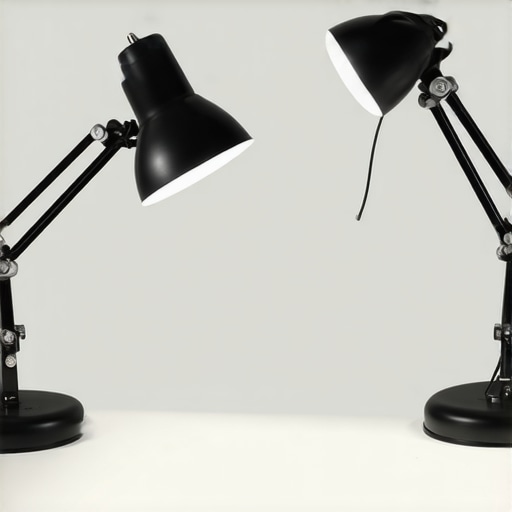
Have you ever sat at your desk, only to notice the glow from your reading lamp spilling onto your keyboard, messing up your concentration and creating unwanted glare? I can’t count how many sleepless nights I wasted fiddling with my lamp, trying to angle it just right, only to have that annoying spill ruin my workspace. One evening, in frustration, I had a lightbulb moment—literally. What if I could redirect that spilled light so it stays where I want it? That’s when I discovered a surprisingly simple yet effective solution: The Tinfoil Hack for Redirecting Desk Lamp Spillage.
Why Spillproofing Your Desk Lamp Changes Everything
Proper lighting isn’t just about brightness; it’s about controlling where that light lands. Poorly directed lamps lead to glare, shadows, and eye strain, especially during long work or study sessions. And if you’ve invested in a sleek desk lamp or ring light, you don’t want that spill ruining your setup. Ensuring the light hits precisely where you need it can make a significant difference in your productivity and comfort. I honestly wish I had known about this quick fix earlier—it would’ve saved me hours of frustration. Want to know how to do it? Keep reading, and I’ll walk you through a simple, budget-friendly technique that has transformed my workspace.
Is This Hack Really Worth the Fuss? My Early Mistakes Too
When I first started experimenting, I made a crucial mistake—trying to block spill light with bulky desk accessories that only made my workspace look cluttered. Over time, I learned that small modifications make a big impact. It’s important to approach this hack with patience and an eye for detail. Trust me, this isn’t about spending a fortune or overhauling your entire setup. It’s about clever tweaks and a bit of DIY spirit. Curious? Let’s get into the practical steps that turned my desk from a spill disaster into a focused haven for work and creativity. And if you’re wondering whether this trick can work for your specific lighting, check out detailed guides on modern LED innovations to optimize your workspace lighting seamlessly from here.
Secure Your Workspace: Gathering Materials and Preparing for Adjustment
Start with basic supplies: a roll of plain or aluminum tinfoil, scissors, and optionally, a clip or tape for stabilization. I once used a paperclip to hold the foil in place during my initial try, which worked surprisingly well. Find an area where your lamp spills light onto your workspace, and clear sufficient room around the lamp for easy access. This preparation ensures a focused and efficient modification process, reducing frustration and saving time.
Wrap and Shape the Foil for Precise Control
How to Wrap the Lamp Shade or Neck
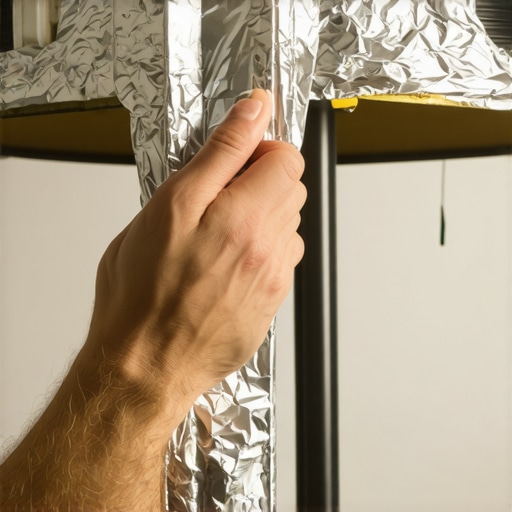
Carefully tear a piece of foil about 8-10 inches long. Crumple it slightly to give it flexibility, then flatten it out to form a smooth sheet. Wrap this around the neck or shade of your desk lamp, focusing on areas where the spill is most noticeable. Secure the foil with a clip or a piece of tape, ensuring it doesn’t slip during use. My first attempt involved wrapping the foil loosely around the neck, which caused some glare initially, but adjusting the tightness improved directional control significantly.
Shaping to Direct Light Effectively
Use your fingers to pinch or fold the foil into small ridges or angles that block or redirect the spill. For example, folding the foil into a slight outward tilt can cast the spill away from your workspace, directing the light downward or sideways. I experimented with small creases during my second attempt, which allowed me to fine-tune the spill angle. Remember, the goal is to create a customized shield that fits your specific lighting setup—think of it as sculpting light to suit your needs.
Tweaking and Testing for Optimal Lighting
Turn on your lamp and observe the spill pattern. Adjust the foil’s position, shape, or tightness as needed. Sometimes, a simple tilt or fold can eliminate glare entirely. During my trial, I found that pinching a corner of the foil to create a small wedge drastically reduced unwanted spill, making my workspace much more comfortable. It’s a matter of small tweaks—think of it as tuning a musical instrument—for perfect harmony in your lighting environment.
Tips for Long-Term Effectiveness and Safety
Replace or reposition the foil regularly to prevent it from loosening or tearing. If a clip or tape isn’t stable enough, consider using a small magnet attached to the lamp and foil for a more secure hold. Avoid applying foil near electrical contacts or moving parts to prevent overheating or obstruction. I learned this the hard way when a loose piece briefly touched a warm socket, causing a slight smolder that was easy to dismiss but could have been dangerous.
For a more comprehensive understanding of modern LED solutions that can complement this hack, visit this guide on LED innovations. Combining these tweaks with upgraded lighting technology will elevate your workspace to a new level of comfort and productivity.
 Many people believe that brighter lighting automatically translates into better productivity, but this is a misconception. In reality, the *quality* and *appropriateness* of light matter far more than sheer intensity. For instance, a high CRI (Color Rendering Index) LED lamp can significantly enhance visual clarity and reduce eye strain, especially during long work sessions. Experts highlight that properly balanced lighting, with attention to spectral quality, can improve focus and even mood, contrary to the myth that more light is always better. Furthermore, many assume that ring lights are only for photography or video content, but they can also serve as effective bias lighting, reducing glare and enhancing contrast on screens, which is crucial for reducing eye fatigue. Don’t fall for the trap of over-illuminating your workspace without considering the *spectral composition* of your lights; mismatched spectra can cause color distortions and visual discomfort.
Why do some LED lamps exacerbate eye strain despite having high lumen output?
Research indicates that flicker and poor spectral balance are common culprits. Some high-lumen LED lamps flicker at frequencies imperceptible to the eye but can cause headaches and fatigue over time. Experts recommend choosing lamps with flicker-free technology and a color temperature around 4000K for a natural, soothing light balance. Also, beware of the trap of relying solely on OEM specifications—testing the actual light quality in your environment is essential. An improperly placed bias light or poorly diffused ring light can create unwanted glare, making visual tasks more difficult and straining your eyes—more than you might expect. For a comprehensive guide on selecting the right LED lighting, check out this article on LED innovations. Think beyond basic brightness and consider the spectral and flicker characteristics that truly influence your workspace comfort. Curious about how to fine-tune your lighting setup for optimal performance? Explore modern LED solutions that are designed to adapt to your needs. Have you ever fallen into this trap? Let me know in the comments.Keeping your workspace lighting effective over time requires more than just initial setup; it demands attention to maintenance, the right tools, and strategic scaling. Regularly inspecting your LED lamps for dust, flicker, or dimming is essential. I personally prefer using a handheld lux meter, like the Sekonic Light Meter, to measure real-time illuminance at your desk—ensuring your lighting remains consistent and optimal for your tasks. Using software updates from manufacturers is also vital, especially for smart desk lamps and bias lighting systems, which often release firmware that improves flicker-free performance and color stability. I automate reminders to check for these updates every three months, preventing issues before they escalate.
Moreover, I recommend employing a dedicated cleaning kit with microfiber cloths and compressed air for the luminary surfaces, ensuring dust and debris don’t diminish light quality or cause overheating. As your workspace evolves—perhaps adding a ring light for video calls or scaling up your bias lighting—it’s crucial to reassess positions and brightness levels periodically. I adjust my ring light’s angle via a flexible mount to avoid glare on my glasses, referencing detailed [ring light hacks for minimizing glare](https://lighting.techdeskessentials.com/3-ring-light-moves-that-actually-hide-glasses-glare). This strategic tweaking keeps my setup both functional and visually comfortable.
Looking ahead, manufacturers are incorporating IoT connectivity into lighting devices, allowing remote diagnostics and maintenance alerts—think of having a smart dashboard that notifies you when a bulb nears its end of life or flickers more frequently. Embracing these innovations can significantly reduce downtime and ensure your workspace remains productive.
To stay ahead, I highly recommend investing in tools like the Luxi device for real-time measurement of your workspace’s lighting levels. Regularly calibrating your setup with such tools ensures consistent results, especially vital as you scale your workspace with additional lighting accessories or upgrade to smarter systems. For more about choosing reliable desk lighting that stays effective long-term, check out this insightful [guide on future-proofing your workspace lighting](https://lighting.techdeskessentials.com/how-to-choose-the-perfect-desk-lamp-for-your-workspace-in-2025). Don’t wait until inadequate lighting causes eye strain—make proactive maintenance a cornerstone of your workspace routine.
The Hardest Lesson I Learned About Desk Lighting
One of my biggest realizations was that brighter isn’t always better; the *quality* of light matters tremendously. I used to think higher lumens meant more productivity, but I found that flickering or poor spectral balance could cause more discomfort. It took some trial and error to differentiate between effective lighting and just high brightness.
Why Proper Focused Lighting Transformed My Daily Routine
Concentrating light precisely where I needed it reduced eye strain and boosted my focus. The simple act of redirecting spill light with a DIY foil shield turned my cluttered, glare-heavy desk into a serene work sanctuary. Small changes, like angling a lamp or adding a DIY shield, proved more powerful than fancy gadgets I initially considered.
My Hidden Weapon for Long-Term Workspace Comfort
Regularly measuring and adjusting my lighting with a lux meter kept my environment consistent and comfortable. I also learned that updating firmware on smart fixtures and cleaning my equipment prevented gradual deterioration of light quality. Embracing these maintenance habits added to my productivity and well-being.
Next-Level Lighting Tips and Trends
Stay ahead by exploring modern LED innovations. For instance, choosing lamps with high CRI and flicker-free operation can significantly diminish eye fatigue. Combining smart technology with traditional hacks like foil shields creates a customized, effective setup. Dive deeper into these topics through my recommended resources, such as the comprehensive guide on LED innovations.
Designing Your Workspace’s Bright Future
Thinking about the future of workspace lighting? Experiment with adaptive systems that sync with your health data, or try DIY tweaks to optimize your environment. Remember, the key lies in understanding your unique needs and not settling for one-size-fits-all solutions. Your workspace deserves personalized light solutions that boost productivity and comfort. Have you ever adjusted your workspace lighting and immediately felt the difference? Share your experience below!

About the Author
Ricardo Vargas
Director of Operations and Product Development
Ricardo Vargas is a seasoned professional in the lighting industry, currently serving as a Director of Operations and Product Development
LinkedIn Profile