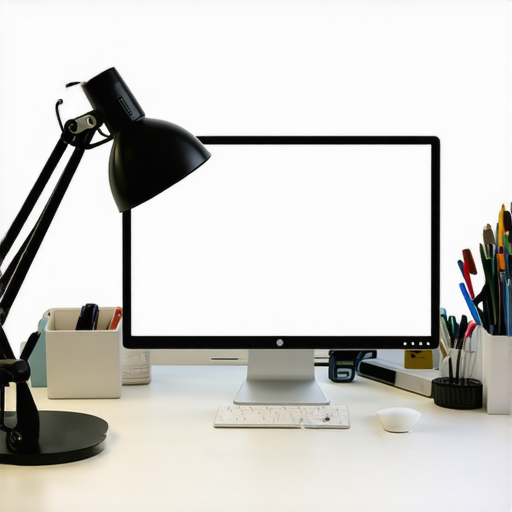
Picture this: you’re deep into a productivity session or a critical video call, and suddenly, that tiny LED indicator on your monitor catches your eye. It’s distracting, breaking your concentration, or worse — revealing more than you want to show during an important meeting. I’ve been there plenty of times, and honestly, it can be especially frustrating when you’re trying to create a sleek, distraction-free environment.
Why a Hidden LED Might Be Ruining Your Focus
For a long time, I thought those little LEDs were harmless. Just LEDs, right? But as I tuned my workspace for minimal distractions, I realized something — those tiny lights draw attention like a spotlight, ruining the ambiance I worked so hard to craft. Plus, in certain professional setups, especially when recording or streaming, even the faint glow can diminish the quality of your output.
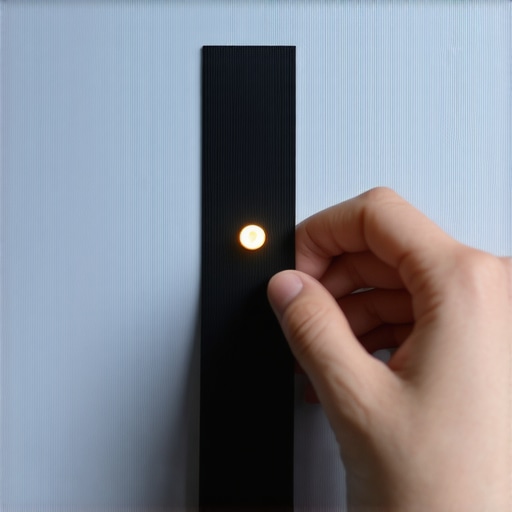
The good news? There’s a surprisingly simple fix I uncovered early on. It’s called the Black Electrical Tape Trick — a quick, budget-friendly way to hide those pesky LEDs without sacrificing any functionality of your monitor or usb ports. Trust me, with just a bit of tape and some careful placement, you’ll hardly notice those LEDs anymore.
Is Covering Up LED Indicators Actually Worth the Hype?
Now, I know what you’re thinking — “Will this actually work?” or “Is covering up my monitor’s LEDs a bad idea?” Believe me, I’ve made my fair share of mistakes in workspace tweaks. The biggest? Using opaque tape that glares or leaves sticky residue. That’s why I prefer using matte or painter’s tape, which is gentle and nearly invisible in the long run. Once I started using this approach, my workspace looked cleaner, and my focus improved dramatically.
Interestingly, studies show that visual clutter can increase cognitive load, making tasks feel more overwhelming (source: neuroscience research on workspace environment and focus). So, eliminating small distractions like monitor LEDs isn’t just about aesthetics — it’s about mental clarity. Ready to see how a little black tape can change your entire workspace? Let’s dive into the simple steps to master this hack.
But before we get into the how-to, have you faced the frustration of those blinking or glowing LEDs during your work or stream sessions? Drop a comment below — I’d love to hear your experiences and tips!
With that said, let’s get to the heart of the solution — a straightforward, effective way to tame those visual distractions once and for all.
Secure the Power Supply Before Starting
Before you tackle your monitor LEDs, unplug your device to prevent accidental shorts or damage. Think of it as turning off the water before fixing a leak — safety first. I did this last weekend when I decided to modify my monitor; a quick unplug saved me from potential mishaps and made the process smoother.
Identify All Unwanted Light Sources
Check Your Monitor’s LEDs
Turn on your setup and observe where the lights are coming from. Focus on the monitor’s bottom or corner LEDs—these tiny indicators are often hidden but noticeable when working in dim light. Use a flashlight if needed to trace the glowing spots.
Assess External Lighting and Bias Lights
Look around your workspace for bias lighting or LED strips. These can add to the ambient glare, especially if they’re not diffused properly. Turning off or covering these is just as crucial as blacking out monitor LEDs.
Choose the Right Covering Material
Opt for matte or painter’s tape — they’re gentle on surfaces and blend in well. I once used gloss tape, which reflected light and distracted me more! Matte tape absorbs light, making LEDs nearly invisible. For a less permanent option, anti-reflective stickers designed for screens work wonders.
Apply Light-Blocking Measures
Covering the LEDs
Gently place small strips of matte tape over the LEDs, ensuring coverage without obscuring necessary ports or sensors. Be meticulous; a poorly applied patch can peel or shift, re-exposing the light. I recommend starting with a small piece and adjusting until the glow disappears.
Testing and Adjustment
Power your monitor back on and check the lights. Adjust the tape placement if any glow persists, iterating until the LEDs are hidden from your view. Remember, the goal isn’t to cover vents or sensors that affect functionality.
Enhance Overall Workspace Lighting
For deeper focus, consider improving your ambient light setup. Use a desk lamp with adjustable brightness and color temperature. Proper illumination reduces eye strain and diminishes the contrast between screens and surroundings, which can be distracting.
Alternatively, adding bias lighting behind your monitor can help balance luminance and improve color perception, making LEDs less noticeable and reducing eye fatigue. Check out bias lighting tips for optimal setups.
Regular Maintenance Keeps Distractions Down
Over time, dust or residue may make LEDs more conspicuous. Periodically inspect your coverings and clean surfaces to maintain a distraction-free environment. Keep in mind, minimal yet effective solutions are most pleasing — like the ring light hacks that optimize visual quality without adding clutter.
Implementing these steps will help you keep your workspace serene and focused, removing the tiny but mighty LED distractions that often go unnoticed until they break your concentration.
While many believe that investing in the latest ring lights or bias lighting automatically guarantees optimal lighting for work or content creation, the real story is far more nuanced. A common misconception is that brighter or more expensive lighting always equates to better results. In reality, understanding the subtle interplay of color temperature, CRI, light placement, and psychological effects is crucial. For instance, many assume that high-lumen LED lamps will reduce eye strain, but if the light isn’t flicker-free or has a lower CRI, it might do more harm than good.
Furthermore, there’s a popular myth that symmetrical lighting, like placing a ring light directly in front, always produces the best facial illumination. However, professional-grade setups often employ off-center or multi-source lighting to create depth and minimize shadows, enhancing visual appeal and reducing glare. This is especially relevant when doing high-quality video calls or recordings, where the angle and diffusion matter immensely.
A significant oops many make involves neglecting ambient room lighting. Relying solely on a ring light can lead to uneven exposure and noticeable screen glare, exacerbating eye fatigue. Incorporating bias lighting behind monitors, as suggested in our comprehensive workspace transformations, helps balance contrast and reduces strain. But beware: improper bias lighting placement or color temperature mismatched with your monitor can introduce color casts or visual discomfort.
Now, you might wonder:
How can a subtle bias lighting tweak drastically improve my visual quality without additional equipment?
This question addresses an advanced nuance often overlooked. Studies indicate that the human eye perceives contrast more naturally when ambient lighting complements screen brightness and color, leading to less eye fatigue and better focus (source: neuroscientific research on visual ergonomics). A slight shift in bias lighting position or a change in color temperature—such as switching to 6500K for daytime or warmer tones for evening—can make your entire setup feel more natural and reduce glare. For more in-depth insights, explore our guide on bias lighting tips.
Additionally, a common trap is over-lighting. Many overestimate the need for extremely bright or high-CRI lamps, which can lead to harsh shadows or color distortions. Instead, selecting a balanced, diffused light source with a CRI above 90 ensures color fidelity and gentle illumination. For those curious about the latest advancements, check out our article on LED lamp innovations.
Remember, the goal isn’t just to illuminate but to create a harmonious environment that supports focus, reduces fatigue, and enhances visual quality. Small missteps, like ignoring the placement of your desk lamp or relying solely on high lumen counts, can undermine these objectives. Instead, focus on layered lighting—combining task, ambient, and accent lights—and tuning each source for optimal synergy. This holistic approach often yields far better results than a single, overly bright source.
Have you ever fallen into this trap? Let me know in the comments. As we’ve seen, mastering the subtle details of workspace lighting transforms your environment from merely adequate to truly professional-grade. By paying attention to these nuances, you ensure your setup supports your health, productivity, and content creation goals—long-term investments that truly pay off.
Investing in Reliable Equipment for Long-Term Success
Creating an optimal workspace isn’t a one-and-done task; it requires consistent maintenance and the right tools to ensure your lighting setup remains effective and adaptable over time. From premium desk lamps to sophisticated software, choosing equipment that matches your evolving needs is essential. I’ve personally found that incorporating high-CRI LED lamps like the 99 CRI desk lamps significantly reduces eye strain and enhances color accuracy during prolonged work sessions, making them a worthy investment for long-term health and productivity.
Additionally, reliable power sources and smart control systems are crucial. I recommend using smart plugs compatible with your existing ecosystem to automate lighting schedules, dimming, or color adjustments based on time of day or task, which helps maintain consistent lighting quality without constant manual tweaking. For managing multiple devices seamlessly, tools like the smart home integration platforms become invaluable, enabling you to pre-program settings that suit your workflow.
Maintaining your lighting environment is just as vital as selecting the right equipment. Regularly dusting fixtures, updating firmware for smart devices, and checking connections prevent unexpected failures that could disrupt your focus. In my experience, setting monthly reminders to review your setup ensures everything operates smoothly, preserving the integrity of your workspace aesthetic and functionality.
How do I maintain my lighting setup over time?
Keeping your workspace lighting in top shape involves routine inspections and timely upgrades. For instance, I swap out older LED bulbs before their brightness diminishes or color shifts noticeably, which can impact work quality. Also, adjusting placement as your workspace evolves—such as moving a ring light or desk lamp—can prevent shadows or glare from creeping back in. Staying informed about the latest innovations via blogs or manufacturer updates helps me fine-tune my environment and incorporates features like flicker-free operation or adaptive brightness, which are game-changers in reducing fatigue.
Looking ahead, the trend points toward smarter, interconnected lighting systems that learn your routines and adjust automatically for optimal comfort and efficiency. Innovations like AI-powered sensors paired with adaptive lighting will likely become standard, further simplifying maintenance and customization. For now, I suggest investing in quality, adjustable fixtures, and integrating them with smart controls for a truly resilient setup.
Ready to elevate your workspace? Start by implementing a smart control system with your current LED lamp and set a maintenance routine—your eyes, focus, and productivity will thank you. For more specific tips on choosing the right equipment, explore our guide to desk lamps.
The Hardest Lesson I Learned About ring light,bias lighting,workspace lighting,led lamp,desk lamp
One of the most surprising insights I gained was how small adjustments, like relocating a desk lamp or tweaking bias lighting, can exponentially improve focus and reduce eye strain. I once believed that investing in high-end equipment alone would solve all lighting issues, but I discovered that proper placement and layering are equally vital. Real progress came when I started paying attention to the subtle interactions between different light sources, understanding that harmony beats brightness every time.
3 Myths About workspace lighting That Held Me Back
Myth one: Brighter is always better. Actually, overly intense lighting can cause glare and fatigue. Myth two: More colors mean better ambiance. In reality, mismatched color temperatures can create discomfort. Myth three: Single-source lighting suffices. I realized that combining task, ambient, and accent lighting creates a balanced environment that fosters productivity and comfort. Busting these myths transformed my approach and made my workspace truly work for me.
What Experts Won’t Tell You About LED Lamps and Bias Lighting
Many professionals overlook the importance of selecting high-CRI LED lamps, which mimic natural daylight and reduce eye fatigue. Experts emphasize that quality trumps flashy features; a well-chosen lamp can prevent headaches during long work sessions. Additionally, properly calibrated bias lighting behind your monitor can enhance contrast perception without adding visual clutter. Despite common beliefs, investing in reliable, adjustable lighting tools yields far better results than cheap alternatives or DIY hacks.
Don’t Hesitate to Make Small Changes That Matter
The future of workspace lighting is about subtle enhancements—figuring out what works uniquely for your space and routine. Simple steps like dimming your desk lamp during late hours or adjusting the angle of your ring light can reduce glare and improve focus dramatically. The key is to experiment patiently and view your environment as a customizable tool. Small, intentional tweaks can turn your workspace into a sanctuary of clarity and creativity, making a tangible difference day after day.
Have you ever struggled with finding the perfect lighting angle or hue? Let me know below, and let’s exchange ideas on creating a workspace that truly supports your well-being and productivity.

About the Author
Ricardo Vargas
Director of Operations and Product Development
Ricardo Vargas is a seasoned professional in the lighting industry, currently serving as a Director of Operations and Product Development
LinkedIn Profile