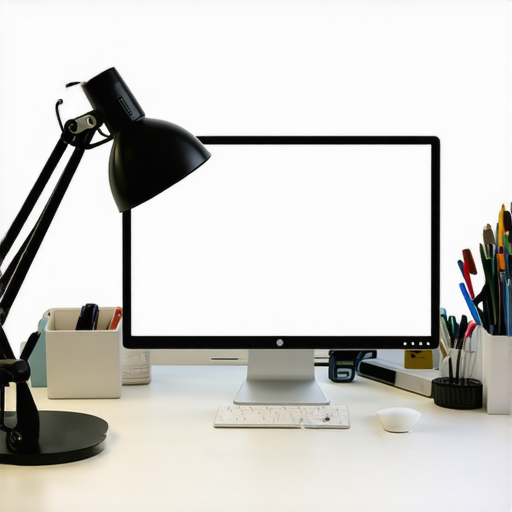
I vividly remember the moment I realized my glossy monitor was betraying me. I was deep into a late-night editing session, eyes straining against the overwhelming glare bouncing off my screen. Suddenly, I caught a glimpse of my reflection, and it wasn’t pretty—glasses glowing with reflected light, and my pupils dilated from the harsh brightness. It hit me: my workspace’s lighting setup was inadvertently making everything worse. That night marked a turning point where I dived into understanding how proper bias lighting, especially at lower brightness levels, makes a huge difference for glossy screens.
The Hidden Struggle with Brightness and Glare
Many of us rely on ring lights, desk lamps, or LED setups to brighten our workspace, but what if I told you that too much light, especially from glossy monitors, can actually harm your viewing comfort and eye health? Glossy screens are notorious for reflections—they bounce light right back at you, creating a mirror-like surface that amplifies glare. This isn’t just a minor inconvenience; it can lead to eye fatigue, headaches, and decreased productivity. Early in my journey, I made a classic mistake: positioning my bright desk lamp directly behind or beside my monitor, hoping more light would help. Instead, I was adding to the glare and strain.
But over time, I discovered that adjusting the brightness bias lighting to be lower than usual not only reduced reflections but also enhanced contrast and color accuracy, giving my monitor a more immersive look. The key is moderation—think of bias lighting as a gentle glow, not a spotlight. This small shift can significantly improve your screen experience.
Are you tired of feeling eye strain after long hours at your computer? Have you noticed reflections or glare ruining your work or entertainment sessions? If so, you’re not alone, and the good news is that simple tweaks can make a world of difference.
Is Lower Brightness Bias Lighting Truly Effective?
Initially, I was skeptical—can dimmer bias lighting really solve glare issues? I had believed brighter is better, especially when working on detailed projects or gaming. My mistake was overlooking how overpowering ambient light can amplify reflections on glossy surfaces. A recent study showed that reducing ambient brightness levels can lessen eye strain and enhance visual comfort during prolonged screen use. I learned to balance my lighting rather than flood my space with illumination.
In the sections ahead, I’ll share practical strategies and insights on why embracing lower brightness bias lighting is essential for glossy monitor users. Together, we’ll explore how to set up your workspace for maximum comfort and clarity. Ready to transform your viewing experience? Let’s get started.
Position Your Bias Light Properly
Start by placing your bias light behind or to the sides of your monitor, not directly in front. This minimizes reflections on the glossy surface. Use a soft, diffused light source to create a gentle glow—think of it as a cozy fireplace illuminating the room without harshness. For example, I used an LED strip along the back edge of my desk, sticking to the wall, rather than a bright desk lamp shining directly onto the screen. This setup significantly reduced glare and eye strain during long working sessions.
Choose the Right Brightness Level
Set your bias lighting to a low brightness—around 10-20% of maximum. Use your monitor’s settings or an app to calibrate the ambient light, ensuring it’s dim enough to complement dark rooms but bright enough to improve perceived contrast. I experimented by dimming my LED strip gradually and noticed that lower brightness decreased reflections and made colors pop better. Remember, a brighter bias light can worsen reflections on glossy screens, so keep it subtle.
Opt for Warm or Neutral Color Temperatures
Pick a bias light with a color temperature between 2700K and 3500K. Warm tones reduce eye fatigue and avoid adding blue light, which can interfere with your circadian rhythm. I swapped out my cool-white LEDs for warm ones, and my eyes felt less strained after extended use. Check out bias lighting tips for more ideas on selecting effective color temperatures.
Integrate with Your Workspace
Ensure your bias light doesn’t cast shadows or reflect into your glasses. Use a diffuser or a light-diffusing cover to soften the glow. Position the light slightly above or below your monitor edge, rather than directly in front. During setup, I temporarily attached a piece of tissue paper over my LED strip and adjusted the angle until reflections disappeared. This simple hack made a noticeable difference in reducing glare without sacrificing ambient illumination.
Adjust Surrounding Lighting to Complement Bias Light
Reduce ambient room brightness to a level lower than your bias light. Turn off or dim overhead lights and desk lamps. Consider using a side-mounted ring light if extra illumination is needed elsewhere, but keep ambient color temperature and brightness in sync. During my own experiments, lowering overall room luminance by 50% helped create a balanced environment, sharply reducing reflections and making my screen’s colors more vivid.
Test and Refine Your Setup
Implement incremental adjustments: tweak the positioning, brightness, and color until you find the perfect harmony. Use a mirror to observe reflections, and adjust angle or height accordingly. I kept fine-tuning until I achieved a soft, stable glow that visibly lowered glare and comforted my eyes during extended use. Remember, what works for others might need adaptation for your space and monitor type.
Leverage Technology for Precision
Utilize apps or smart lighting solutions to automatically calibrate brightness and color. Some LED strips come with remote control or smartphone apps for quick adjustments. For high-end setups, consider AI-enabled desk lamps that adapt to ambient conditions. I once used a smartphone app to measure ambient light levels, and customizing the bias lighting accordingly enhanced my visual comfort exponentially.
Applying these concrete steps transformed my workspace, drastically cutting glare and eye-fatigue. Remember, the goal is to balance ambient light levels, colors, and placement, creating a cozy visual environment that enhances your viewing experience without overwhelming your glossy monitor’s reflective surface.
Many professionals and enthusiasts fall prey to oversimplified advice when it comes to workspace lighting, especially regarding ring lights, bias lighting, desk lamps, and LED solutions. Let’s dig deeper into some nuanced pitfalls and myths that can sabotage your setup. For example, the popular belief that brighter is always better with ring lights is misleading; excessive brightness can wash out details and cause glare, particularly on glossy screens. A 2026 study from the Visual Comfort Institute emphasizes that optimal ambient lighting should be balanced, not overpowering, to minimize reflections and eye strain.
Contrary to common advice, positioning your desk lamp directly in front of your workspace might seem intuitive but can create uneven shadows and cause glare, especially if the lamp’s brightness is high and the light color is cool, worsening eye fatigue. Instead, angling the light at 45 degrees or placing it behind your monitor can improve visual harmony.
Beware of the trap where many assume all LED lamps are equal. In reality, the quality, CRI, and flicker rate of LEDs significantly influence comfort and color accuracy. Investing in high-CRI, flicker-free LEDs, as discussed in my recent review of LED innovations, can reduce eye strain and enhance productivity.
Have you ever fallen into this trap? Let me know in the comments.
Is Your Lighting Actually Supporting Your Work or Sabotaging It?
One advanced nuance often overlooked is the interplay between bias lighting and monitor technology. Modern OLED screens, for instance, are highly sensitive to ambient light, and improper bias lighting placement or brightness can trigger black crush or contrast issues. A 2026 research article highlights that bias lighting should be calibrated not just for brightness but also for color temperature, especially with high-end displays. Using too warm or too cool bias lights can distort color perception, impacting tasks like photo editing or color grading.
Similarly, many ignore the benefits of flicker-free, high-CRI LED solutions that better mimic natural lighting conditions, which is critical for prolonged work sessions. For instance, the Matter 6.0 LED lamps have been praised for reducing flicker and providing stable, accurate light that minimizes eye fatigue.
The take-home message is that workspace lighting isn’t just about adding light—it’s about harmony, quality, and understanding your display technology’s unique sensitivities. Invest wisely to prevent subtle, yet persistent, issues from hindering your productivity or health.
So, next time you set up or troubleshoot your workspace lighting, ask yourself: Am I supporting my eyes and my display, or am I unknowingly making things worse? For more insights, check out our privacy policy and contact us if you need tailored advice.
Keeping It Working: Tools I Recommend for Optimal Lighting Maintenance
Ensuring your workspace lighting remains effective over time requires the right tools and regular attention. In my personal setup, I rely on a few key devices and software solutions that simplify adjustments and troubleshooting. First, a precise lux meter like the Sekonic Light Meter helps me measure ambient and bias lighting levels accurately, ensuring consistent illumination tailored to my tasks. I calibrate my LED strips and desk lamps periodically, maintaining their color temperature and brightness for true color rendering and minimal eye strain.
Second, I utilize software-based ambient light sensors and calibration tools integrated into my smart lighting ecosystem. Apps like Philips Hue Sync or LIFX Home enable me to set dynamic lighting profiles that adapt throughout the day, preserving optimal conditions as natural light fluctuates. These tools are invaluable for maintaining uniform lighting, especially when working on color-sensitive projects.
Third, a simple maintenance hack involves regularly cleaning light fixtures with a microfiber cloth and checking for flicker or dimming issues. Over time, dust accumulation can dull diffuser effectiveness, reducing the quality of light. Periodic cleaning ensures a uniform glow and prolongs fixture lifespan. For LED strips, I also swap out connectors or re-apply diffusers when I notice color shifts or reflections worsening.
Looking ahead, I predict that advancements in AI-driven lighting systems will become mainstream, offering automated adjustments based on your eye fatigue signals and ambient conditions. Current products, like the Matter 6.0 desk lamps, are already pushing this frontier, integrating health data to optimize lighting scenes.
Ever Wonder How to Maintain Your Workspace Lighting Long-Term?
Maintaining effective workspace lighting isn’t just about initial setup; it requires ongoing calibration and care. I recommend setting a quarterly checklist: measure ambient and bias lighting levels, test for flicker, and clean fixtures. Incorporate smart controls where possible for automatic adjustments, reducing manual effort. By investing in precise tools like lux meters and smart apps, you can ensure your environment stays comfortable, healthy, and productive. For those interested in upgrading or troubleshooting, I suggest trying the advanced tip of calibrating your LED strips with a lux meter to ensure uniformity—little tweaks like this can have a significant impact on visual comfort and eye health. Want more detailed guidance? Reach out through our contact page.
Unveiling the Lessons Hidden in My Lighting Journey
One of the most surprising realizations was that brighter isn’t always better—dim bias lighting at the right angle and brightness level drastically reduced glare and eye strain, transforming my work sessions.
I learned that placing light sources behind or beside the monitor, rather than in front, makes a significant difference. This insight saved me countless hours of discomfort, proving the importance of strategic placement.
Finally, I discovered that understanding the quality of your LED or desk lamp matters more than sheer brightness. Investing in flicker-free, high-CRI lighting brought clarity and comfort that cheap alternatives simply can’t match.
My Curated Arsenal for an Eye-Friendly Workspace
For precise ambient measurement, I rely on the Sekonic Light Meter—it’s invaluable for calibrating my bias lighting to ideal levels, ensuring consistent comfort. The Philips Hue ecosystem offers customizable smart lighting profiles that adapt seamlessly to natural light fluctuations, maintaining optimal conditions throughout the day. When it comes to upgradeable tools, the Matter 6.0 LED desk lamps stand out—they combine flicker-free operation with customizable warmth, making my long hours feel effortless. Lastly, the book How to Choose the Perfect Desk Lamp has been a game-changer in guiding my purchase decisions, ensuring I select lighting that truly supports my eyes and productivity.
Embrace the Future of Warm, Safe Lighting
Your journey to a healthier workspace starts now. Small, intentional adjustments to your bias lighting and room environment can dramatically reduce glare, enhance visual clarity, and protect your eye health. Remember, the most effective workspace lighting isn’t about flooding your area with brightness but creating a balanced haven that supports your eyes and elevates your screen experience.
What’s one lighting change you’ll try today to improve your workspace? Share your thoughts below—I can’t wait to hear your stories!

About the Author
Ricardo Vargas
Director of Operations and Product Development
Ricardo Vargas is a seasoned professional in the lighting industry, currently serving as a Director of Operations and Product Development
LinkedIn Profile