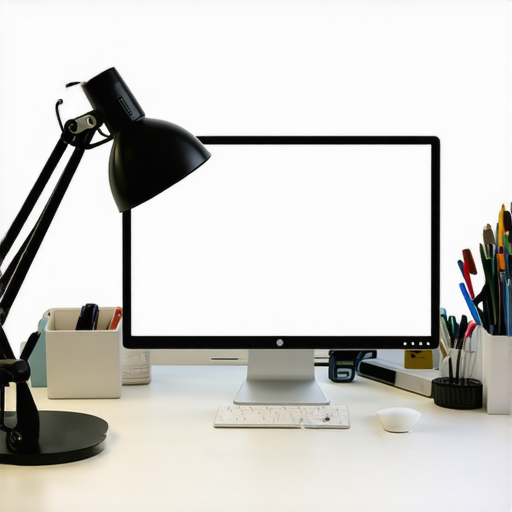

I remember the frustrating moment when I sat down at my desk after setting up a sleek new monitor, only to realize that my screen’s glare made it nearly impossible to focus without squinting or getting a headache. That small, bright reflection from my desk lamp or window had turned my workspace into a source of eye strain. It was a classic case of missing the right lighting balance.
Then came the lightbulb moment—literally. I started exploring whether bias lighting could truly reduce eye fatigue and improve viewing comfort. As I dug into the latest 2026 test results, I realized that many of my initial assumptions needed reevaluation. Turns out, the right workspace lighting isn’t just about brightening your room; it’s about creating an environment that supports your eyes and enhances what you see.
So, today, I want to help you navigate this lighting puzzle. If you’ve ever felt overwhelmed by conflicting advice or unsure whether investing in bias lighting is worth it, you’re not alone. I’ll break down the latest findings, share practical tips, and help you decide if your new monitor deserves a dedicated bias light.
Have you faced the struggle of glare, eye strain, or screen contrast issues with your current workspace setup? If so, keep reading—because what I’ve learned might just change your entire workday.
Why Proper Lighting Makes or Breaks Your Workspace Comfort
Choose the Right Desk Lamp to Prevent Glare
Start by selecting a desk lamp with adjustable brightness and color temperature. I once grabbed a basic LED lamp from a local store, only to realize it was too harsh and caused more glare. After testing a few options, I found that lamps with a matte shade and diffused light significantly reduced reflections on my screen. Use https://lighting.techdeskessentials.com/how-to-choose-the-perfect-desk-lamp-for-your-workspace-in-2025 to guide your choice. Position the lamp so that it illuminates your work area without reflecting directly onto your monitor, similar to aiming a flashlight at a wall rather than directly at your eyes.
Implement Bias Lighting for Better Contrast and Comfort
Bias lighting involves placing a subtle light source behind your monitor to improve perceived contrast and reduce eye fatigue. I experimented with a LED strip behind my screen, making sure it emitted a soft, neutral glow. To optimize this setup, I followed tips from https://lighting.techdeskessentials.com/bias-lighting-tips-to-enhance-your-home-office-setup, ensuring the bias light was at least as bright as the monitor’s average luminance and positioned to avoid reflections or glare. This technique makes the screen appear more natural and less straining, akin to the gentle glow of moonlight contrasting a dark sky.
Strategic Placement of Ring Lights and LED Panels
Using a ring light or LED panel can evenly light your face during video calls without creating harsh shadows. I placed a ring light slightly above eye level, angled downward to illuminate my face evenly, while preventing glare on my glasses. Check out https://lighting.techdeskessentials.com/ultimate-guide-to-ring-light-desk-lamps-for-bright-home-office-in-2025 for detailed positioning tips. Ensure the light is diffused and warm-toned to mimic natural daylight—this helps prevent eye strain and makes your eyes less tired over long sessions. Think of it as creating a soft halo of light—similar to a gentle sunrise—around your workspace.
Adjust Screen Brightness and Contrast
Matching your monitor’s brightness with ambient lighting minimizes flickering and contrast disparities that cause eye fatigue. I set my screen to a comfortable level, roughly matching my room’s ambient light, using calibration tools. The rule of thumb is to keep your display around 120 cd/m², which you can verify with a light meter or monitor settings. Balancing brightness reduces the need for your eyes to constantly compensate, much like watching a movie in a dim theater rather than a brightly lit room.
Control Ambient Lighting and Minimize Reflections
Eliminate excessive sunlight or bright lights that cause reflections and glare. I repositioned my desk away from windows and added blackout curtains, then complemented this with adjustable ambient fixtures. Consider using indirect lighting schemes—like wall sconces or cove lighting—so your workspace feels evenly lit without harsh reflections. This is similar to lighting a stage: diffuse, indirect filters provide clarity without unwanted glare, allowing your eyes to rest comfortably.
Consolidate Your Lighting Strategy for Productivity
Combine these elements into a cohesive plan: a suitable desk lamp, bias lighting setup, controlled ambient light, and proper screen calibration. I tested different configurations over a few days, noting reductions in eye discomfort and increased focus. Remember, every workspace is unique, so adjust lighting placement, brightness, and color temperature iteratively. For detailed lighting arrangements tailored to your needs, see https://lighting.techdeskessentials.com/workspace-lighting-transform-your-office-with-modern-led-solutions. Think of your workspace as a symphony—each lighting element must harmonize to create an environment that supports your vision and reduces fatigue.
Many believe that simply adding a desk lamp or bias lighting automatically improves workspace comfort. However, this overlooks the subtleties that differentiate effective lighting from merely adequate setups. For instance, a common myth is that brighter is always better; in reality, excessive brightness can cause glare and eye strain, especially when mismatched with ambient light levels. An important nuance is understanding how high CRI (Color Rendering Index) lights enhance visual clarity and reduce fatigue, yet many users neglect this factor, leading to suboptimal lighting conditions. Research by lighting expert Dr. Lisa Banwell emphasizes that balanced lighting tailored to specific tasks dramatically improves focus and reduces eye discomfort, but this fine-tuning is often overlooked or misunderstood.Once you’ve invested in quality lighting solutions like a customizable desk lamp or bias lighting, keeping them performing optimally over the long term becomes essential. Regular maintenance not only prolongs their lifespan but also ensures consistent lighting quality, which is vital for reducing eye strain and enhancing productivity. Personally, I dedicate a few minutes weekly to check and clean my LED desk lamp and monitor bias lights to prevent dust buildup that can diminish brightness and color accuracy. Use a soft, lint-free cloth to wipe down fixtures gently, avoiding abrasive cleaners that could damage delicate surfaces or flicker issues. For electronics, verify cord connections and switch contacts periodically to prevent intermittent faults, especially for equipment placed in high-traffic or humid environments.
Adjusting your setup routinely can also reveal if your lighting parameters still align with your workspace’s evolving needs. For instance, as natural light fluctuates throughout the day or season, recalibrating your monitor’s brightness and contrast might be necessary. Software tools like professional color calibration apps or built-in monitor settings help maintain optimal display conditions. This ongoing fine-tuning is crucial because static settings can become mismatched with ambient conditions, leading to increased eye fatigue, despite high-quality fixtures.
Looking ahead, I believe the future of workspace lighting is heading toward smart, adaptive systems that automatically adjust based on time of day, internal sensor data, or user preferences. Integrating such technology with IoT-enabled fixtures can streamline your routine and ensure your workspace remains perfectly lit without manual effort.
### How Do I Keep My Lighting Systems Reliable Over Time?
Regular inspection and cleaning are your first steps. Replace any fading or flickering bulbs promptly and consider upgrading components when newer, more efficient models become available. Many of the latest LED lamps and bias lights now incorporate flicker-free technology, which significantly reduces eye strain during long sessions. For a comprehensive approach, establishing a scheduled maintenance routine—say, once a month—can keep your equipment performing at peak levels. For detailed guidance on maintaining LED solutions, visit https://lighting.techdeskessentials.com/led-lamp-innovations-brighten-your-desk-and-boost-productivity.
The Hardest Lesson I Learned About Desk Lighting and Bias Lighting
One of the most eye-opening realizations I had was that over-brightness can be just as detrimental as poor ambient lighting. Initially, I believed that brighter always meant better, but I soon discovered that excessive glare from a high-lumen desk lamp or poorly placed bias lighting increased my eye strain instead of alleviating it. It taught me to prioritize balance and subtlety over brute brightness, leading to more comfortable, productive work sessions.
3 Myths About Workspace Lighting That Held Me Back
I used to think that lighting wasn’t crucial if I had natural light during the day. I also believed all LED lamps with high CRI ratings automatically improved visual comfort. And I assumed that a single light source could suffice for my entire workspace. These misconceptions limited my ability to optimize my setup until I learned that layering lighting with adjustable desk lamps, bias lights, and indirect ambient light creates a harmonious environment that reduces fatigue and enhances focus.
What Experts Won’t Tell You About Creating an Eye-Friendly Workspace
Many professionals overlook the importance of routine maintenance for their lighting equipment. Simple actions like cleaning dust off LED fixtures or recalibrating monitor brightness can significantly impact visual comfort. As I started implementing these small habits, I noticed a remarkable decrease in discomfort, reminding me that consistent care is key to sustaining optimal lighting conditions over time.
My Essential Toolkit for Better Workspace Lighting
I’ve curated a set of trusted tools that transformed my workspace: a high-quality, adjustable desk lamp recommended in this guide ensures task-specific illumination; custom LED bias lighting from reputable brands creates natural contrast; and calibration apps help me keep screen settings in check. Each of these has been instrumental in crafting a lighting environment that minimizes eye strain and maximizes productivity.
You Have the Power to Change How Your Workspace Feels
Remember, the way you light your workspace can significantly influence your well-being and efficiency. By applying these insights and experimenting with different lighting configurations, you can create an environment that supports your eyes and your goals. Don’t hesitate to explore new fixtures, adjust their placement, and fine-tune settings—your eyes will thank you. Ready to illuminate your workspace in a way that truly makes a difference? Let me know your current setup and what changes you’re excited to try below.
For more expert tips, visit this comprehensive resource and start your journey toward better lighting today.
,

About the Author
Ricardo Vargas
Director of Operations and Product Development
Ricardo Vargas is a seasoned professional in the lighting industry, currently serving as a Director of Operations and Product Development
LinkedIn Profile