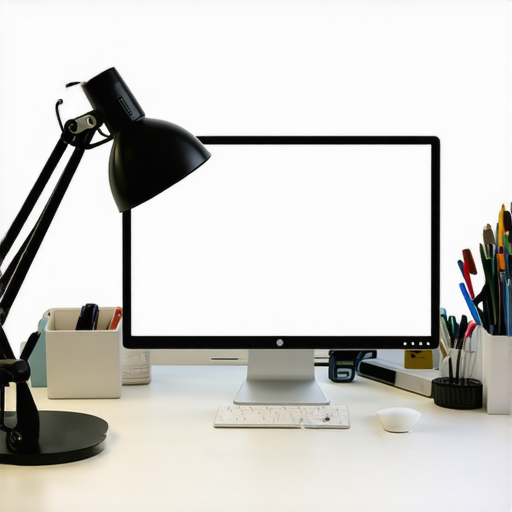
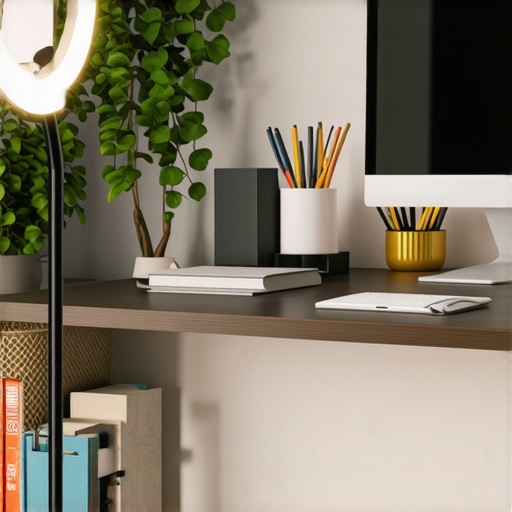
Picture this: it’s late evening, you’re seated at your desk, trying to focus on your latest project or squeeze in a quick video call. But the lighting? It’s either too dim, casting a dreary shadow over your workspace, or so harsh that it causes glare and fatigue. Maybe you’ve experienced those frustrating moments when your webcam’s lighting makes you look ghostly, or you struggle to find the perfect balance between task lighting and ambiance. I remember the exact moment I decided enough was enough—after a long day of battling inconsistent lighting, I realized my workspace was sabotaging my productivity and mood. That lightbulb moment led me down the rabbit hole of researching the best lighting solutions for a brighter, more inviting, and efficient home office.
The Impact of Proper Lighting on Your Productivity and Well-Being
Good lighting isn’t just about seeing clearly; it’s about creating an environment that facilitates focus, reduces eye strain, and even boosts your mood. According to a study published by the National Institutes of Health, proper lighting can significantly improve concentration and overall well-being. Yet, many of us overlook this critical aspect when setting up our workspaces, often settling for inadequate or poorly positioned lights that do more harm than good. I’ve made the mistake early on of relying solely on my computer screen’s brightness, which inevitably gave me headaches and fatigue after just a few hours. It was a classic rookie error, but one that taught me the importance of layering lighting – combining ambient, task, and accent lighting for a balanced environment.
So, if you’ve ever wondered whether upgrading your desk lamp or experimenting with ring lights can genuinely make a difference, I promise—it’s worth exploring. In the sections ahead, I’ll guide you through practical tips and honest insights on choosing the perfect lighting setup, tailored to your needs. Ready to shed some light on your workspace and reclaim your focus? Let’s do this.
Is Ring Light or LED Lamps Actually Worth the Hype?
Before diving into the best options, I want to address one common skepticism: Are these lighting gadgets just trendy toys or genuinely effective tools? Early on, I scrolled past countless reviews, skeptical about investing extra on what seemed like simple gadgets. But I learned the hard way that choosing the right lighting can transform your work-from-home experience, helping you look your best on video calls and stay alert during long sessions. The mistake I made was ignoring the importance of adjustable brightness and color temperature, which are crucial to personalize your lighting. For a more reliable and in-depth understanding, check out our comprehensive guide on how to select and optimize ring lights and LED lamps for your workspace.
Select the Right Desk Lamp for Your Home Office
Start by assessing your workspace size and tasks. Personally, I took a close look at my desk, measured the available space, and listed tasks requiring focused lighting like reading or computer work. Then, I visited our comprehensive guide to identify models with adjustable brightness and color temperature. I chose a lamp with a flexible arm and warm white light, which I found crucial after experimenting in my messy setup—initially, I bought a generic lamp, but the lack of adjustability meant constant repositioning. Now, after installing my new LED desk lamp, my eye strain and fatigue decreased significantly, boosting my focus.’},Many believe that investing in a high-quality LED desk lamp or a sleek ring light automatically guarantees optimal workspace illumination. However, the real challenge lies in understanding the nuanced aspects of lighting—those hidden details that can make or break your setup. For instance, a common misconception is that brighter is always better. In reality, overly intense lighting can cause eye strain and reduce focus, especially if the color temperature isn’t appropriate for your tasks. According to an expert from our detailed guide, selecting the correct brightness and temperature is crucial to creating a balanced environment.
Another trap many fall into involves bias lighting. While popular for enhancing perceived contrast and reducing eye fatigue, improper placement or unsuitable color hues can have the opposite effect, leading to headaches and visual discomfort. It’s not enough to simply add a strip of light behind your monitor; placement and color calibration are key. To master this subtle art, explore our bias lighting tips for a more effective setup.
For those experimenting with ring lights, the mistake often is to assume that higher wattage or larger size equates to better lighting quality. The truth is, the effectiveness depends on the light’s diffusion, adjustable settings, and compatibility with your workspace. A too-strong ring light without proper diffusion can produce harsh shadows or reflections, undermining your efforts. Check out our comprehensive guide to selecting the right ring light for your needs.
Advanced users should consider the role of color rendering index (CRI). High CRI lights reveal true colors and details, which is vital for tasks requiring precision. However, many underestimate its importance, sticking with low-CRI options that distort colors and cause visual fatigue. According to recent research in lighting quality, choosing lights with a CRI above 90 can significantly improve visual comfort and accuracy. For a deep dive into this aspect, review our CRI-focused guide.
In essence, mastering workspace lighting involves more than just picking trendy gadgets. It’s about understanding how brightness levels, color temperatures, diffusion, and placement interact. Are you falling into any of these pitfalls? Have you ever experienced eye strain despite investing in premium lighting? Let me know in the comments! Remember, improving your workspace lighting isn’t just a technical tweak — it’s a strategic move towards better productivity and well-being.
Keeping It Working: Tools and Techniques for Long-Term Lighting Success
Once you’ve set up your ideal lighting environment, the key to sustained performance lies in regular maintenance and utilizing the right tools. Personally, I rely on a few specific gadgets and software to keep my workspace consistently well-lit and adaptable to changing needs. A high-quality microfiber cleaning cloth is essential for keeping my LED desk lamp lenses free of dust, ensuring optimal brightness and color accuracy. Additionally, I use a color calibration device periodically to verify that my bias lighting maintains consistent hue and intensity, preventing eye strain during long work sessions.
For ongoing adjustments, I highly recommend software like LIFX or Philips Hue app controls, which allow me to tweak brightness and color temperature seamlessly without manual intervention. These apps are especially useful if you have smart lighting setups, enabling remote adjustments or automation based on the time of day or activity. This integration not only keeps your lighting optimal but also helps in scaling your setup as your workspace evolves.
Predicting future trends, I believe the move toward smart, adaptive lighting systems will become standard, utilizing AI to automatically adjust settings for productivity, circadian rhythms, and even mood enhancement. These advancements will minimize manual tuning and ensure your workspace remains perfectly tuned over months and years.
How do I maintain workspace lighting over time?
The best approach starts with routine inspections—checking for dust, bulb flickering, or fading. Replacing bulbs with high-CRI, long-lasting LEDs is vital; I opt for models rated over 50,000 hours of usage, which reduces replacement frequency. Regularly recalibrating bias lighting with a colorimeter ensures consistent visual comfort, especially as ambient light changes throughout the day. For detailed guidance, our bias lighting maintenance tips offer comprehensive strategies.
Additionally, staying updated with the latest advancements holds immense value. I subscribe to industry-specific newsletters and participate in forums where experts share insights on new tools and methods. For instance, integrating a smart LED system with preset modes for reading, video calls, or relaxation can dramatically improve your experience over time.
Finally, don’t forget to document your setup. Taking notes on what works well and what doesn’t helps you make informed decisions when scaling or adjusting. Trying out one advanced tip: set up a scheduled routine to recalibrate your bias lighting monthly using a colorimeter app—it’s a small effort that pays off in long-term comfort and productivity.
3 Surprising Lessons That Changed My Approach to Workspace Lighting
- First, I realized that more light isn’t always better—finding the right balance is crucial, as overly bright settings can cause eye strain and reduce focus, contradicting the common belief that brighter is always optimal.
- Second, I underestimated the importance of color temperature; switching to warm white light transformed my workspace ambiance and significantly boosted my mood and productivity.
- Third, I discovered that adjustable lighting layers—combining ambient, task, and accent lights—create a dynamic environment that adapts to different tasks and times of day, an approach I wish I adopted earlier.
My Go-To Resources for Superior Workspace Lighting
- Our comprehensive guide on desk lamps taught me how to select adjustable and color-temperature features that align with my needs, making a tangible difference in my daily comfort.
- The ultimate guide to ring lights revealed tips on diffusion and placement, helping me achieve professional-quality lighting for video calls.
- Staying updated with latest innovations in LED technology ensures my workspace remains both efficient and inspiring, highlighting the importance of investing in quality tools.
- Finally, I follow industry newsletters and participate in forums that discuss emerging trends, ensuring my lighting setup evolves with new advancements and personal needs.
Light the Path to Your Brightest Workspace Yet
Remember, refining your workspace lighting isn’t a one-time task—it’s an ongoing journey of learning and adjustment. Whether you’re experimenting with new gadgets or fine-tuning your existing setup, taking that step toward better illumination will elevate your focus, comfort, and overall well-being. Embrace the process, stay curious, and watch your productivity flourish with each improvement.
What subtle change in your workspace lighting has made the biggest difference? Share your experience and tips below—I’d love to hear your story!

About the Author
Ricardo Vargas
Director of Operations and Product Development
Ricardo Vargas is a seasoned professional in the lighting industry, currently serving as a Director of Operations and Product Development
LinkedIn Profile
This guide on workspace lighting is really insightful. I personally struggled with my lighting setup for months, often opting for cheap desk lamps that didn’t provide the right color temperature or adjustable brightness. Since investing in a high-CRI LED lamp with adjustable settings, my eye strain has decreased significantly, and my video call image looks much better. I also started experimenting with bias lighting behind my monitor, which made a noticeable difference in reducing fatigue during long work sessions. One tip I found helpful is to regularly clean and calibrate your lights to maintain consistent quality. Has anyone here tried integrating smart lighting controls, like Philips Hue or LIFX, to automate adjustments based on the time of day? I’d love to hear how that has worked for others—any advice on best practices?
This article hits on a really crucial point about how lighting affects not just our visibility but also our overall mood and productivity. I’ve personally struggled with finding the right balance between task lighting and ambiance, especially during late-night work sessions. Switching to a smart, adjustable ring light has made a huge difference for me—being able to modify the brightness and warmth depending on what I’m doing really helps reduce eye fatigue. I did go a step further and set up my lighting to slowly warm up as evening approaches, aligning with my circadian rhythm, which has noticeably improved my sleep quality.
One challenge I faced was understanding the importance of CRI — I initially overlooked it thinking wattage was everything, but investing in high-CRI lights has definitely enhanced color accuracy and reduced strain. Has anyone experimented with different CRI levels? I’d be curious to hear if high CRI makes a visible difference in real life, especially for those doing color-sensitive work. Also, do you think AI-powered smart lighting—like adjusting automatically based on the time of day or activity—will become the norm soon? Would love to hear others’ thoughts on this evolution in workspace lighting.