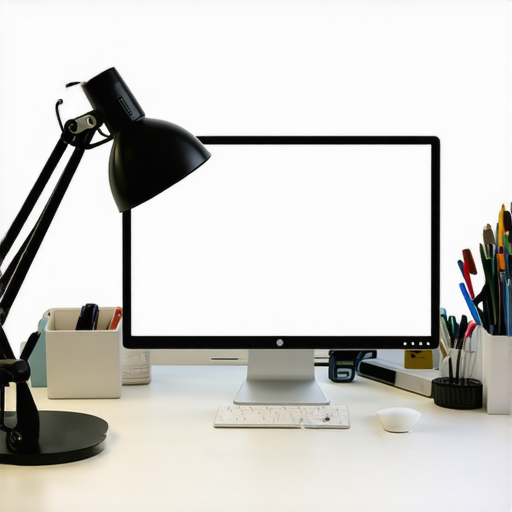

I vividly remember the afternoon I realized my workspace was secretly harming my eyes and mood. I was in the middle of a long editing session, the room dimly lit, and my LED desk lamp flickering at just the wrong moment. Suddenly, everything looked off—colors felt dull, my eyes tired faster, and a gnawing sense of frustration crept in. It was then that I understood: inadequate lighting isn’t just a minor annoyance; it can derail your productivity and health over time.
The Growing Importance of Proper Workspace Illumination
In 2026, our work environments are more tailored than ever—smart monitors, ergonomic chairs, and sleek hardware dominate our desks. Yet, many overlook the crucial role of lighting, especially high-quality bias lighting with high Color Rendering Index (CRI). High-CRI lighting ensures that colors appear natural and vibrant, reducing eye strain and fatigue. As I learned through personal trial and error, investing in the right lighting isn’t just about aesthetics; it’s an investment in your well-being and efficiency. A study from Harvard Medical School highlights that improper lighting can lead to eyestrain, headaches, and even decreased concentration (source: [Harvard Health Publishing](https://www.health.harvard.edu)). If you’ve experienced persistent eye soreness or struggled to see details clearly in your workspace, you’re not alone—and there’s a simple, effective solution waiting.
Do you often find yourself squinting or feeling fatigued after hours at your desk? If yes, the next step is understanding what makes high-CRI bias lighting a must-have rather than a luxury. Over the next sections, I’ll share how choosing the right lighting setup can transform your workspace, backed by practical tips and personal insights. Let’s dive into the details so you can stop struggling with subpar illumination and start enjoying a brighter, more balanced environment.
Select the Right Desk Lamp
Start by choosing a desk lamp with adjustable brightness and color temperature. A versatile LED desk lamp allows you to tailor lighting to your needs, reducing glare and eye fatigue. I personally experimented with several models before settling on one that provides smooth dimming and a warm tone, making late-night work sessions more comfortable. For detailed guidance, visit our desk lamp selection guide.
Implement bias lighting effectively
Bias lighting refers to placing a light source behind your monitor, providing indirect illumination that balances the screen brightness and minimizes eye strain. Think of it as ambient glow that prevents the disparity between your bright screen and dim surroundings. I set up a high-CRI LED strip behind my monitor, following tips from our bias lighting tips article. The result was an immediate reduction in fatigue, especially during long editing hours. Pro tip: Ensure the bias light is not brighter than your screen to avoid unnecessary reflections or additional glare.
Optimize your ring light position
Ring lights are excellent for creating even, shadow-free illumination, especially during video calls or content creation. Position the ring light directly in front of your face, about 20-30 inches away, to achieve natural-looking lighting without harsh shadows. I used to place mine too high or too close, which caused hotspots and uneven light. Watching our ring light setup guide helped me refine my placement for optimal clarity.
Balance ambient room lighting
Beyond task lighting, your entire room’s illumination influences eye comfort. Aim for a combination of ceiling lights, wall-mounted fixtures, and indirect sources to create a balanced environment. For example, soft overhead lighting combined with accent lamps reduces contrast and minimizes eye strain. Experiment with different setups, and consider using dimmable fixtures to adjust ambiance throughout your workday. Our workspace lighting transformation tips provide further insights.
Adjust brightness throughout your day
Human eyes adapt to changing lighting conditions. It’s crucial to modify your workspace illumination when transitioning from morning to evening. Bright, blue-enriched light in the daytime boosts alertness, while softer, warmer tones in the evening promote relaxation. I use a smart LED system that auto-adjusts based on the time, following advice from our lighting automation resources. This dynamic approach helps maintain focus while protecting your eyes over long hours.
Maintain a clean and clutter-free setup
Finally, keep your workspace tidy. Dust, fingerprints, and clutter can cause distracting reflections and reduce the effectiveness of your lighting. Regularly clean your lamps and screens, position lights to avoid reflections, and organize cables. A neat environment, coupled with proper lighting, creates a calmer, more focused atmosphere, directly improving your productivity and eye health. For ergonomic tips, see our desk lamp fixes.
Many believe that simply choosing a bright desk lamp or installing LEDs automatically guarantees optimal workspace lighting, but that couldn’t be further from the truth. A prevalent misconception is that higher lumen output always translates to better lighting; however, without considering color temperature, diffusion, and contrast, excessive brightness can cause glare and eye strain instead of alleviating it. For instance, opting for overly intense lighting when your monitor is also bright can create a harsh visual contrast, leading to eye fatigue over time. Moreover, some assume that all LEDs are equal, ignoring the importance of high CRI ratings, which are crucial for color accuracy and reducing visual fatigue. Investing in quality LED lamps with high CRI (above 90) can significantly improve visual comfort.
A common trap many fall into involves relying solely on task lighting and neglecting ambient and bias lighting layers. This oversight leads to high contrast between the illuminated area and the surrounding space, which causes pupils to dilate repeatedly, stressing your eyes. Proper layered lighting, including bias lighting, helps maintain a balanced contrast, reducing eye strain and enhancing color perception.
Another nuanced mistake is misplacing ring lights or poorly positioning them, which can cause uneven lighting or ugly shadows. Instead, optimal placement involves positioning the ring about 20-30 inches from your face, directly in front, to produce soft, even illumination that enhances video calls and reduces shadows. A helpful resource is our ring light setup guide.
By now, you might be asking: How can advanced lighting techniques and layering improve long-term visual comfort beyond basic setups? The answer lies in understanding the subtle interactions between different light qualities, ensuring each layer complements the others, and tailoring your system to your specific tasks and environment. Expert advice suggests that investing in adjustable, high-CRI LED solutions and customizing your lighting plan not only enhances focus but also minimizes health risks associated with poor illumination. For instance, incorporating circadian rhythm-friendly lighting can support your sleep patterns, which are often disrupted by improper exposure to blue-rich indoor light late in the day.
Avoid the trap of neglecting these nuanced factors, as they can silently undermine your productivity and health over time. Continuous fine-tuning, based on personal experience and professional standards, turns workspace lighting from a mere functional element into a strategic health asset. Have you ever fallen into this trap? Let me know in the comments.Maintaining your workspace lighting setup requires both intentional effort and the right equipment. For sustained performance, I recommend investing in high-quality, adjustable LED desk lamps like the latest LED innovations, which feature dimming and color temperature controls tailored to your daily needs. Personally, I use models with smooth flicker-free dimming to prevent eye strain during extended hours. Regular cleaning of your lamps and diffusers ensures even light distribution without distracting glare, which is especially critical if you notice flickering or uneven brightness. For this, a microfiber cloth paired with gentle, non-abrasive cleaning solutions is effective—avoiding dust accumulation that can diminish light quality. Additionally, employing smart lighting systems, like circadian rhythm-compatible LEDs, allows you to automate brightness and warmth adjustments throughout the day, sustaining optimal conditions with minimal manual intervention. Expertise from the workspace lighting professionals highlights that such automation not only preserves your eye health but also enhances focus by aligning with your natural biological rhythms. In the future, I predict a rise in integrated lighting systems powered by AI, which will anticipate your needs based on activity and time of day, making manual adjustments a thing of the past.
### How do I maintain my workspace lighting over time?
The key to durability lies in routine inspection and component replacement before issues develop. Check your LED bulbs and diffusers periodically for signs of dimming or flickering, which can indicate aging or impending failure. Swapping out old bulbs or worn-out diffusers ensures consistent quality light, preventing eye fatigue. Also, keep external wiring or power adapters clean and secure, as loose connections can cause flickering or reduced output. To optimize your setup, regularly recalibrate your lighting levels and color temperatures, especially when seasons change or if you notice your environment feeling too harsh or too dull. Incorporating a simple routine—such as once a month—where you assess light uniformity, cleanliness, and system responsiveness will keep your workspace functioning optimally. Remember, thoughtful maintenance is crucial for long-term benefits, and using tools like intelligent lighting controls can make this process effortless. Now is a great time to try automating your lighting adjustments with a smart system — this single upgrade can dramatically improve your visual comfort and productivity.
Over time, I learned that mastering workspace lighting isn’t just about flicking a switch; it’s about understanding how subtle adjustments can profoundly impact your focus, health, and mood. One of my hardest lessons was realizing that even the best LED desk lamp can become a source of strain if not properly calibrated. It took experimenting with different color temperatures and brightness levels to discover what truly reduced fatigue for me. I’ve found that personalized lighting setups, tailored to your specific tasks and circadian rhythms, can transform your work experience into a source of comfort and productivity.
What I Wish I Knew Before Changing My Workspace Lighting
- Layering is Crucial: Relying solely on task lamps can cause unnecessary contrast and eye strain. Incorporating bias lighting behind your monitor creates a balanced environment that eases visual effort. Personal trials showed me how a simple high-CRI LED strip behind my screen made a noticeable difference.
- Color Temperature Matters: Warm tones in the evening promote relaxation, while cooler, blue-enriched light boosts alertness during the day. Adjusting these settings at appropriate times keeps my circadian rhythm in check, improving sleep and focus.
- Placement is Key: Positioning ring lights and other sources correctly ensures even illumination without glare. I now place my ring light directly in front, about 20 inches away, for optimal facial lighting during calls.
- Quality Over Quantity: Brightness isn’t everything. High CRI ratings and diffusion matter more for visual comfort. Investing in quality LEDs and diffusers has safeguarded my eyes from fatigue, a lesson I wish I’d learned sooner.
- Routine Maintenance pays off: Regularly cleaning and calibrating your lighting components keeps their performance at peak and prevents unexpected strain. Simple routines, like monthly dusting and spot checks, have extended the lifespan of my equipment and preserved visual harmony.
Tools and Resources That Changed My Approach
- Bias Lighting Tips: Practical advice on setting up indirect lighting that reduces glare and contrast, making long work sessions more comfortable.
- Modern LED Solutions: My go-to for selecting adjustable, high-CRI LED lamps that adapt to my needs and tasks.
- Ring Light Hacks: Insights into positioning and strength to ensure clear, shadow-free illumination for calls and recordings.
- Eye-Friendly Fixes: A collection of adjustments that minimized my eye soreness and boosted focus during extended use.
Take Action and Shine Bright
Remember, your workspace lighting journey is uniquely yours—personalize it, experiment, and don’t settle for generic solutions. A well-balanced, adaptive lighting system not only enhances productivity but also safeguards your visual health over the long haul. Now is the perfect moment to revisit your setup and try a new approach that aligns with your workflow and wellbeing. The key is consistent refinement, turning your workspace into a sanctuary of clarity and comfort.
Have you ever struggled with finding the perfect angle for your bias lighting or adjusting your ring light? Share your experience below—I’d love to hear what worked for you!
,

About the Author
Ricardo Vargas
Director of Operations and Product Development
Ricardo Vargas is a seasoned professional in the lighting industry, currently serving as a Director of Operations and Product Development
LinkedIn Profile