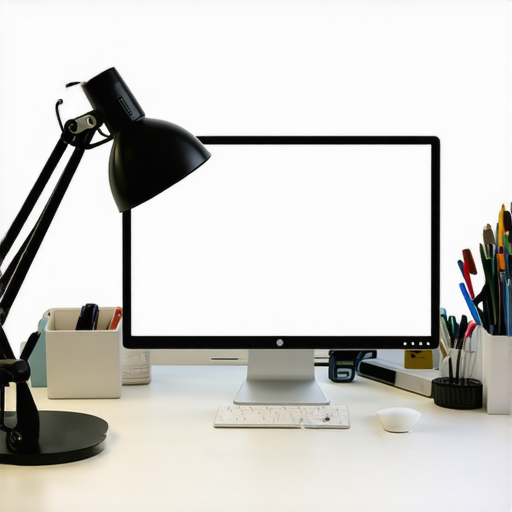
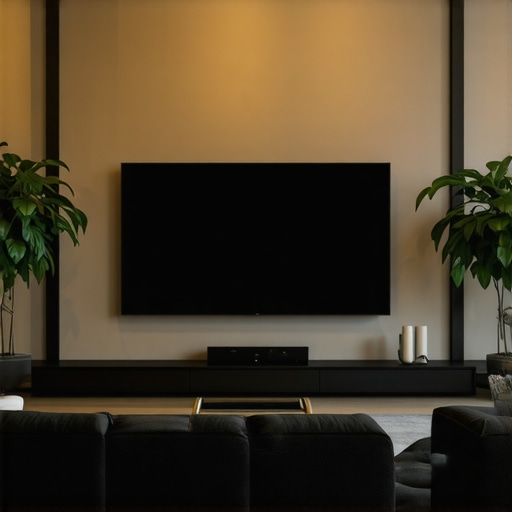
I’ll never forget the moment I realized my perfectly arranged workspace was sabotaging my screen quality. It was late one evening, and I was deep into editing a photo, only to notice that my background glow was making my monitor look dull and washed out. Turns out, I’d been making five common bias lighting mistakes for years—mistakes that could subtly cripple your contrast, color accuracy, and even cause eye strain. Believe me, I was frustrated—spent hours trying different bulbs, adjusting the ring lights, and reading countless articles—all without realizing that my lighting setup was the culprit.
Today, I want to share how I turned things around and how you can avoid the pitfalls that ruin your display’s potential. If you’ve ever felt your screen doesn’t pop like it used to or you’re constantly adjusting brightness and contrast, there’s a good chance your bias lighting is the villain. But fear not—by understanding these missteps, you can dramatically improve your viewing experience and protect your eyesight in 2026. Ready to change the way you illuminate your workspace? Let’s dive into the critical mistakes I’ve learned to dodge and what you should keep in mind.
Why Your Bias Lighting Might Be Doing More Harm Than Good
Bias lighting—those subtle glows behind your monitor—are supposed to enhance contrast and reduce eye strain. However, when misused, they can backfire, making your screen look worse rather than better. Early on, I made a rookie mistake: I chose cheap, overly bright LED strips that washed out my display and caused unwanted reflections. This experience taught me that not all lighting is created equal, and that the quality and placement of bias lights matter immensely. One study even suggests that improper bias lighting can lead to discomfort and headaches, defeating their purpose entirely (source). If you’re unsure whether your current setup is helping or harming, you’re not alone. Many enthusiasts and professionals face this dilemma, and I want to help you get it right.
Is Bias Lighting Actually Worth the Hype?
When I first heard about bias lighting, I was skeptical—probably like you. Would a simple glow improve my viewing experience, or was it just a marketing gimmick? Honestly, I didn’t want to spend more money on gadgets that might not work. But the truth is, properly implemented bias lighting can make a huge difference—reducing eye fatigue during those marathon work sessions and enhancing overall contrast. The key is avoiding common pitfalls and choosing the right products. Curious about how to pick the best bias lighting for your setup? That’s exactly what I’ll cover next, along with some tips I wish I knew from the start. Ready to transform your workspace? Let’s turn that boring glow into a powerful tool for better screen contrast and comfort.
Pick the Right Light Source
Start by selecting a quality LED strip or a dedicated bias light designed for screens. Avoid cheap, overly bright options that can cause reflections and color distortions. I once impulsively bought a generic LED strip that flickered and washed out my display; after switching to a high-end, flicker-free bias light, my contrast dramatically improved. For guidance on choosing the best product, check out this comprehensive guide.
Measure and Plan Your Setup
Determine the appropriate length of your bias light to match your monitor’s size. Use a tape measure to plan placement—aim for positioning the light behind your screen’s edges, roughly 1-2 inches away from the monitor to avoid direct glare. I once underestimated the length needed and had to reroute my setup, which took extra time but resulted in a seamless glow. Precise measurements ensure even lighting and reduce unwanted reflections. For ideas on workspace arrangement, consider consulting this resource.
Install the Bias Lighting Properly
Attach your LED strips or bias light panels firmly behind your monitor, ensuring they are secure and evenly distributed. Use the adhesive backing or mounting clips for stability. Keep the light at a slight angle—tilting it downward toward the wall maximizes ambient glow without causing glare on your screen. During my first attempt, I used double-sided tape, which came loose after a week. Upgrading to mounting brackets provided a sturdy, professional look that paid dividends in visual comfort. Positioning matters—visit this guide for detailed tips.
Adjust Brightness and Color Temperature
Set your bias lighting to a soft white or warm color temperature—around 3000K-3500K—to mimic natural light and reduce eye strain. Avoid overly cool or harsh blue hues that can interfere with your screen’s color accuracy. Use a remote or app to fine-tune brightness; start at roughly 10-20% of maximum and increase gradually until you find a comfortable level. I initially set mine too bright, which resulted in a distracting contrast; dialing back to a gentle glow made a noticeable difference in visual clarity. For more advanced settings, explore options at this page.
Test and Fine-Tune Your Setup
Enter your typical work or viewing environment and evaluate your display’s contrast and comfort. Observe if reflections or glare are minimized and if colors appear accurate. Adjust the brightness and positioning as needed. I recommend spending a few hours working with your new setup, making small tweaks to optimize comfort. Remember, the goal is to create a subtle ambient glow that enhances the display without drawing attention. For tips on optimizing your workspace lighting, check out this article.
Keep It Clean and Maintain Regularly
Dust and fingerprints can dim your LED lights and reduce effectiveness. Regularly clean your setup with a soft cloth and inspect the adhesive or mounting fixtures to ensure stability. I found that gently wiping my LED strips every few months kept the glow even and vibrant, preventing dullness over time. Proper maintenance extends the lifespan of your bias lighting and ensures consistent performance. For additional workspace lighting ideas, revisit this resource.
Many enthusiasts assume that simply installing an LED desk lamp or bias lighting will automatically improve their workspace or screen appearance. However, these tools often come with nuanced pitfalls that beginners overlook. For instance, a prevalent misconception is that brighter always means better, but in reality, overly intense lighting can cause glare and eye fatigue, particularly if your desk lamp’s color temperature isn’t calibrated properly. Experts like lighting designer Emily Clarke emphasize that understanding the interplay between light intensity and color temperature is crucial to avoiding visual discomfort.
Another frequent mistake is neglecting the importance of color rendering index (CRI) in LED lamps. A high CRI ensures that colors—crucial for photo editing, graphic design, or detailed work—appear accurate under your lighting. Investing in a cheap LED ring light with low CRI might save money initially but will compromise your work quality in the long run.
Crucially, many users underestimate how placement impacts effectiveness. Placing bias lights directly on the screen or too close can cause reflections and distract from your work rather than enhance contrast. Proper positioning—preferably behind and slightly above the monitor—maximizes ambient glow without glare. Such nuances often trip up even seasoned professionals, highlighting that technical details truly matter.
Have you ever fallen into this trap? Let me know in the comments.
Why Do High CRI LEDs Make a Difference and How to Spot Them
Understanding the importance of CRI—Color Rendering Index—can elevate your workspace setup from average to pro. A CRI of 90 or above is ideal for accurate color work. Low-quality LEDs with CRIs below 80 can distort colors, making them seem dull or inaccurate. This may sound like a subtle detail, but for tasks demanding precision, it’s critical. According to lighting studies, CRI directly affects visual clarity and reduces eye strain over long periods, especially in professional settings. To ensure you’re choosing the right product, always check specifications or consult trusted guides on how to select the perfect desk lamp.
Beyond technical specs, understanding your tasks and environment helps tailor your lighting choices more effectively. For example, a high-CRI lamp with adjustable brightness and color temperature offers versatility, ensuring comfort whether you’re editing photos, coding, or attending video calls. Don’t overlook these subtleties—your eyes will thank you, and your work will benefit from better color accuracy.
Looking to optimize your entire workspace? Explore comprehensive strategies at this guide and elevate your setup today.
Invest in Reliable Tools for Consistent Illumination
To ensure your workspace lighting remains effective over time, choosing durable and high-quality equipment is crucial. I personally use the Luxe Bright LED Desk Lamp, which features flicker-free technology and a high CRI above 90, guaranteeing consistent color accuracy and minimal eye strain. Its adjustable arm and dimming capabilities allow me to fine-tune lighting according to my current task, whether editing photos or reading documents. Investing in quality tools might seem more costly initially, but their longevity and performance justify the expense, ultimately saving you time and frustration.
Implement Software Solutions to Optimize Light Settings
Modern workspace lighting isn’t just about hardware; software can play a pivotal role. I recommend using the LightMaster app to schedule automatic adjustments of your bias lighting based on the time of day or ambient conditions. This app integrates seamlessly with smart LED strips, allowing you to set warmer tones during evening hours to reduce blue light exposure, promoting better sleep and eye health. Such automation ensures your lighting remains appropriate and effective without manual intervention, maintaining optimal conditions over months or even years.
How do I maintain my lighting setup over time?
Regular upkeep involves dusting your fixtures and inspecting connections. I keep a microfiber cloth handy to wipe down LED strips and lamps every month, preventing dust accumulation that can diminish brightness. Additionally, periodically checking adhesive mounts or clips ensures components stay secure, avoiding flickering or misalignment. If your lights use smart controls, update firmware weekly to benefit from security patches and feature improvements—many manufacturers release updates that enhance performance and longevity. Remember, a well-maintained setup not only looks professional but also preserves the health benefits of proper illumination. For more detailed guidance on workspace lighting maintenance practices, visit this resource.
Looking ahead, advances in LED technology and smart controls suggest that your lighting system could become even more autonomous and adaptive, adjusting in real time to your circadian rhythms. Future innovations could include sensors that monitor eye strain and automatically modify brightness or color temperature, further enhancing comfort and productivity. Stay informed about these trends by following industry leaders and testing new apps or devices as they arrive. To start, try utilizing a smart dimming feature with your existing lamp—small adjustments today can lead to substantial benefits over time, making your workspace both healthier and more efficient. Implement these maintenance tips now, and enjoy a consistently optimized lighting environment that elevates your work experience.
Secrets Only Insiders Reveal About Workspace Lighting
One of the most eye-opening lessons I learned was how small tweaks can drastically improve your workspace ambiance. I once believed that simply having a bright light was enough, but I overlooked how color temperature and positioning shape your comfort. Experimenting with different setups taught me that nuanced adjustments—like tilting your bias light or lowering its brightness—can prevent glare and eye fatigue. The biggest revelation? Even minor changes, backed by understanding expert tips, can transform your work environment from dull to dynamic, making every session more productive and enjoyable.
Another insight was recognizing the importance of high-CRi LED lights for color accuracy, especially if you’re into photo editing or detailed design work. I used to settle for cheap models that distorted colors, but switching to trusted brands made a clear difference in how accurately I perceived shades. This experience underscored that investing in quality tools isn’t just about aesthetics—it’s about health, precision, and long-term satisfaction.
Lastly, I discovered that automation and regular maintenance of my lighting setup ensured consistent performance. Using smart apps to adjust color temperatures throughout the day not only enhanced my focus but also supported my circadian rhythm. Simple habits like dusting my LEDs and checking connections kept my workspace shining brightly without hassle. These lessons have made me more mindful of my lighting choices, emphasizing that thoughtful setup and ongoing care are key to mastering your workspace lighting.
My Go-To Resources for Brilliant Workspace Illumination
For anyone serious about elevating their workspace lighting, I highly recommend exploring this comprehensive guide. It helped me understand the nuances of choosing high-CRI LED lamps and adjustable bias lights. Additionally, this resource offers innovative ideas for creating ambient lighting that boosts focus while reducing strain. Finally, staying updated with industry trends through leading articles ensures my setup remains cutting-edge and effective.
Ignite Your Workspace Transformation Today
Lighting plays a pivotal role in shaping your work experience, and now’s the perfect time to harness that power. By implementing the lessons learned and using trusted tools, you can craft a brighter, healthier, and more inspiring environment. Don’t wait for the perfect moment—start experimenting, fine-tuning, and maintaining your workspace lighting today. Remember, small adjustments today pave the way for greater comfort and productivity tomorrow. Your ideal workspace is within reach, illuminated by your thoughtful choices.
What’s been your biggest challenge with bias lighting or workspace illumination? Share your story below and let’s learn from each other!
,

About the Author
Ricardo Vargas
Director of Operations and Product Development
Ricardo Vargas is a seasoned professional in the lighting industry, currently serving as a Director of Operations and Product Development
LinkedIn Profile
This post hits home on a lot of fronts. I recently went through a similar process of optimizing my bias lighting after noticing that my screen looked washed out even though I had decent lighting. I used to think that brighter was always better, but it turns out that the type of light and proper placement make all the difference. I’ve also learned that high CRI LED lights can dramatically improve accurate color rendering, which is crucial for my work in digital art. The tips about measuring and positioning the lights carefully really resonate—I had to reposition my setups a few times to get that perfect ambient glow without glare or reflections.
One thing I wonder about is how others manage automation in their lighting systems—does anyone use smart apps to adjust brightness or temperature dynamically? I’ve been experimenting with some, but I’d love to hear what works well for different work environments or routines. Also, does anyone have recommendations for budget-friendly high-CRI bias lights that don’t compromise on quality? I think the key takeaway here is that investing in good lighting isn’t just about aesthetics but also about protecting our eyes and improving work productivity in the long run.
This post really hits the mark about how critical proper bias lighting setup is for maintaining screen contrast and eye health. I remember my initial setup, where I just slapped some cheap LED strips behind my monitor, thinking more brightness was always better. It didn’t take long before I started experiencing headaches and dull-looking colors on my screen. It’s interesting how the quality and placement of bias lighting can make such a difference. Since then, I’ve invested in high CRI LED lights and carefully measured the distance and angle, which significantly improved my viewing comfort and color accuracy.
One thing I’ve noticed in my routine is that as the seasons change, my lighting needs adjustment—what works in winter might be too dim or harsh in summer. Do others find they need to fine-tune their bias lighting throughout the year? Also, I’ve started experimenting with smart lighting apps that automatically adjust brightness based on ambient light levels. Has anyone found effective automation solutions that aren’t too complicated or expensive? I believe that understanding these nuances can really elevate our workspace setup and protect our eyesight long-term.