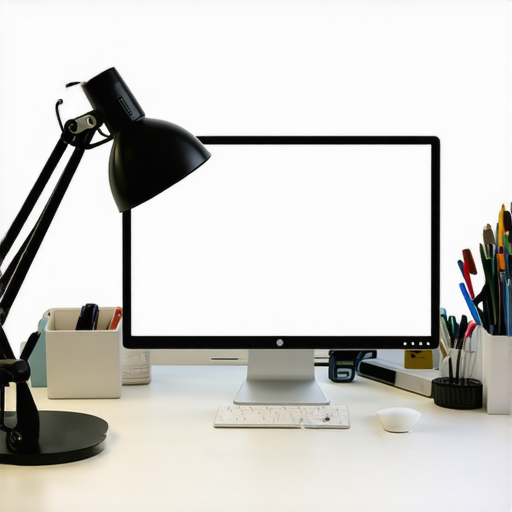
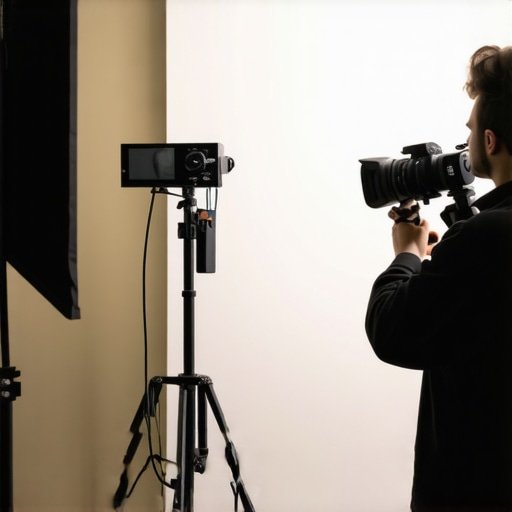
Have you ever set up your ring light just right, only to be met with a tangled jungle of cables glaring back at you on camera? I can’t count how many times I’ve been mid-shoot and suddenly noticed a cluttered mess of cords distracting viewers or ruining that sleek look I was going for. That light, which is supposed to make me shine, ends up making my workspace look like a disaster zone. One epiphany hit me hard: messiness isn’t just distracting—it’s bad for your professional vibe, especially when creating those polished 2026 Reels everyone’s craving now. But here’s the good news: you don’t have to be a DIY pro or spend a fortune to tidy things up; small changes can make a huge difference.
How to Achieve a Clean, Camera-Ready Workspace
Are Cable Clutter Techniques Really Worth the Hype?
When I first started my journey into professional-looking videos, I made the classic mistake of ignoring cable management altogether. My cords were tangled and visible, and it was only when a friend pointed out how distracted viewers looked that I realized the importance of neatness. According to a study from Tech Desk Essentials, effective workspace organization can boost your productivity and focus. That’s not just about aesthetics; tidy cables directly impact your credibility as a creator. So, I vowed to learn some practical hacks.
If you’re wondering whether hiding those endless cords is just another gimmick or actually makes a difference—trust me, it does. After experimenting with a few methods, I found that simple solutions like zip ties and cable sleeves not only look cleaner but also prevent accidental unplugging during shoots. I’ll be sharing my tried-and-true 7 ways to tame those unruly cords, turning your workspace into a sleek, professional environment where your lighting and video quality truly shine. Ready to elevate your setup? Let’s dive into the tricks that changed my video game and can do the same for you.
Harnessing Cable Management Strategies for a Neat Setup
Use Velcro and Zip Ties to Bundle Cables
On a particularly hectic morning, I decided to finally organize my cluttered desk. I gathered my cords and wrapped them with reusable velcro straps, securing multiple cables together. This simple fix prevented accidental unplugging and made the area look significantly cleaner, instantly improving my focus. Think of it like organizing a garden hose—coiling and securing it to prevent tangles and kinks. For an even sleeker look, consider using cable sleeves that encase several cords into one smooth tube, blending seamlessly with your workspace aesthetics.
Employ Cable Clips and Under-Desk Trays Effectively
Attach adhesive cable clips along the back edge of your desk to run cords neatly along the surface, keeping them out of sight. During my last setup, I installed a discreet under-desk cable tray to hold excess cords, elevating the clutter away from my workspace. This approach mimics hiding unsightly wiring behind a picture frame—practical and unobtrusive. For more advanced organization, you can route cables through the desk’s built-in channels or use adhesive cable boxes to conceal power strips and adapters.
Optimizing Your Lighting Components for Visual Clarity
Selecting the Right Desk or Ring Light for Your Space
Choosing the perfect lighting involves understanding your workspace layout and purpose. When I upgraded my setup, I prioritized a ring light with adjustable brightness and color temperature. For guidance, check out how to pick the ideal desk lamp. Similar to selecting different lenses for a camera, your lighting needs depend on whether you want soft, warm tones or bright, cool illumination. A well-chosen LED ring light can evenly light your face without harsh shadows, enhancing your professional appearance.
Mounting and Positioning for Maximum Impact
Position your light slightly above eye level and at a 45-degree angle to avoid glare and shadows. I placed my ring light on an adjustable arm to fine-tune its position during recordings. By mounting the light on a desk clamp or arm, you can effortlessly switch angles, reminiscent of a painter adjusting their easel to find the perfect stroke. Proper placement ensures the light wraps evenly around your face, diminishing unflattering shadows and highlighting your features.
Creating Ambiance with Bias Lighting and Accent Lights
Implementing Bias Lighting to Reduce Eye Strain
Adding bias lighting behind your monitor reduces contrast and minimizes eye fatigue. I installed a smart LED strip behind my monitor, synchronized with my overall workspace lighting. This setup acts like a soft halo, reducing glare and improving contrast perception. Consult bias lighting tips to find the right color temperature and brightness levels for long working hours.
Accent Lights to Elevate Your Visual Style
Small LED desk lamps or strip lights can serve as aesthetic accents, adding depth and personality to your workspace. I placed a warm-toned LED lamp on the side to create a cozy atmosphere during evening sessions, much like highlighting a painting to bring details forward. These subtle touches help create a balanced lighting scheme that enhances both functionality and style.
Streamlining Your Lighting Workflow for Efficiency
Pre-Program Your Lighting Settings
Set predefined brightness and color modes for different tasks—video calls, editing, or relaxation—saving time and avoiding setup delays. I programmed my smart lights to switch between a cool white for work and warmer hues for breaks, replicating natural lighting changes. This automation fosters a seamless transition between activities, much like a professional photographer adjusting their gear for different shoots.
Integrate Lighting with Other Workspace Elements
Sync your lighting system with your desk lamp and monitor brightness via smart home apps. During a recent project, I used an app to coordinate my LED strip with my ring light, ensuring consistent lighting tones. This integrated approach simplifies adjustments, keeps the workspace cohesive, and mimics a well-orchestrated stage setup—every element working harmoniously to support your focus and creativity.
Many creators and office workers alike assume that choosing a fancy ring light or sleek desk lamp automatically guarantees optimal illumination and visual appeal. However, let’s dig deeper into this misconception. The truth is, most people overlook subtle nuances that can significantly impact the effectiveness of their lighting setup. For instance, a widespread error is believing that brighter lighting always equals better lighting. In reality, excessive brightness can cause glare and eye strain, especially if the color temperature isn’t appropriate. According to lighting experts at Tech Desk Essentials, calibrating your lighting for comfort and clarity is more important than simply increasing luminance.
Another common myth involves the idea that all LED lights are created equal. This couldn’t be further from the truth. Not all LEDs have high Color Rendering Index (CRI), which is critical for accurate color perception on camera or during work tasks. Low-CRI lights may make your workspace look dull or cause color distortion on your skin tone, affecting professionalism and productivity. For an advanced setup, choosing high-CRI lights, such as those reviewed in this guide, ensures your environment looks natural and vibrant.
Why Get the Brightness-to-Color Temperature Ratio Wrong
One of the most overlooked pitfalls is mismatching brightness levels with color temperatures. A common mistake is using a cold, bluish light at high brightness, which can foster eye fatigue and reduce focus. Conversely, warm tones at appropriate brightness foster a cozy, inviting atmosphere conducive to concentration. The synchronization of brightness and color temperature is especially crucial when you employ bias lighting to reduce eye strain, as discussed in this resource. Advanced users should consider programmable lighting systems that adapt these parameters dynamically, enhancing both comfort and visual quality.
Furthermore, a trap many fall into is neglecting the impact of placement and angle. Proper mounting of your ring light or desk lamp impacts how evenly your face or workspace is illuminated, avoiding hotspots and shadows. An improperly placed light might seem minor but can drastically undermine your professional presentation or comfort. For further insights on optimizing your setup, explore advanced workspace lighting ideas.
In summary, superficial choices like brightness or the sheer presence of a light are not enough. As you refine your workspace, consider the nuanced interplay of luminance, color rendering, temperature, and placement. Small mistakes here can erode your effectiveness, confidence, and visual appeal. Ready to elevate your lighting game? Dive into these expert tips, and don’t forget—have you ever fallen into this trap? Let me know in the comments!
Keeping your workspace lighting effective over time requires more than just selecting the right products initially. It involves regular maintenance, utilizing specific tools and equipment, and staying updated with the latest innovations. As a creator or professional, I rely on a few trusted tools that help me ensure my lighting remains optimal, and I recommend you do the same to sustain high-quality visuals and comfort.
Invest in a Reliable Light Meter for Consistency
One tool I consistently use is a digital light meter. This device measures the luminance and color temperature of your setup, allowing me to verify that my LED lamps and ring lights output consistent and accurate lighting. I personally prefer the best LED lamp models equipped with built-in dimming and color adjustment features. Regular use of a light meter helps identify drift in brightness or color over extended periods, ensuring your environment stays professionally lit.
Utilize Software for Smart Lighting Control
Modern smart lighting systems, often controllable via apps, are game-changers for long-term maintenance. I use proprietary software that syncs my LED bias lights, desk lamps, and ring lights, allowing me to preset lighting scenes for different work modes. This integration ensures my workspace lighting remains consistent regardless of time or external conditions. Plus, many apps enable firmware updates that keep your devices functioning at peak performance, preventing issues like flickering or color inconsistency. For more on smart lighting innovations, explore latest LED innovations.
Schedule Regular Physical Maintenance
Dust, dirt, and accumulated grime can reduce light output and affect device longevity. I set monthly reminders to clean my fixtures with soft, lint-free cloths and check for any signs of wear or damage. For delicate components like lenses and diffusers, gentle cleaning prevents dust buildup that diminishes light quality. Additionally, inspecting power cords and connections periodically helps prevent electrical issues that could compromise safety or performance. Staying proactive with physical upkeep ensures my lighting remains reliable and effective for years to come.
Keep Abreast of Emerging Trends in Lighting
The field of workspace lighting is continuously evolving. I follow industry experts and subscribe to updates from specialized lighting guides to learn about new products and methods that could enhance my setup. Adapting to innovations like high-CRI LEDs, dynamic color-changing fixtures, or more efficient controllers can significantly improve your environment. Embracing change not only keeps your workspace current but also ensures you’re leveraging the best tools available.
To take your workspace to the next level, I highly recommend trying a comprehensive lighting audit using a digital light meter combined with smart controls. This approach will help you identify weaknesses and optimize your setup for sustained excellence. Remember, consistent maintenance and staying informed are key to preserving your investment and ensuring your workspace lighting continues to impress.
,
In my journey to create the ideal workspace lighting, I realized some hard truths—especially when it comes to managing my ring light and other illumination tools. One of the biggest lessons learned is that productivity and professionalism are deeply tied to the environment you craft. Neglecting the little details—like cable tidiness or light placement—not only hampers your appearance on camera but can also sap your confidence over time. Combating these issues involved experimenting with clever solutions, from high-CRI LED lights to smart automation, which transformed both my setup and my mindset.
The Hidden Gems That Changed How I Light My Day
- High CRI LEDs: Choosing lights with high Color Rendering Index made my skin look fresh and natural on camera, elevating my professionalism without extra effort. I now swear by models reviewed in this guide.
- Dynamic Brightness and Temperature: Automating my lighting to adjust based on time or task helped reduce eye strain and created a more inviting atmosphere. This setup mimics natural shifts, making my workspace feel more alive and less mechanical.
- Cable Management Hacks: Using cable sleeves and under-desk trays turned my cluttered cords into a sleek, discreet setup. It’s a small change with a big impact, boosting my confidence in my workspace’s professionalism.
- Smart Control Systems: Integrating my lights into a smart home app meant I could switch scenes effortlessly—perfect for different types of content creation. It’s like having a personal lighting assistant who is always ready to make me look my best.
Tools I Can’t Live Without for the Perfect Setup
- Digital Light Meter: Measuring luminance and color temperature ensures my lighting remains consistent, especially during long shoots. I trust models reviewed in this resource.
- Smart Home App: Controlling all my LED and bias lights from one place saves time and keeps my environment flawless. It’s like having a remote extension of my creative mind.
- Regular Maintenance Routine: Monthly cleaning of fixtures and checking connections keep my lighting reliable. A little upkeep goes a long way in avoiding unexpected mishaps and maintaining high-quality visuals.
- Stay Updated: Following industry blogs and reviews keeps me ahead of trends like high-CRi fixtures and adaptive lighting solutions. This mindset keeps my workspace modern and inspiring.
Step Into the Light—Your Workspace Awaits Transformation
Remember, creating a professional and inviting video setup isn’t about expensive gadgets but about thoughtful choices and consistent care. Each small adjustment, from cable tidiness to selecting the right LED to automate your ambiance, adds up to a workspace that elevates your confidence and output. The power is in your hands—start implementing these insights today and watch your space—and content—shine brighter than ever. Your journey toward a pristine, professional environment begins now. So, are you ready to give your workspace the upgrade it deserves? Drop your experiences or questions below—I’d love to hear your stories and help you shine even brighter.

About the Author
Ricardo Vargas
Director of Operations and Product Development
Ricardo Vargas is a seasoned professional in the lighting industry, currently serving as a Director of Operations and Product Development
LinkedIn Profile