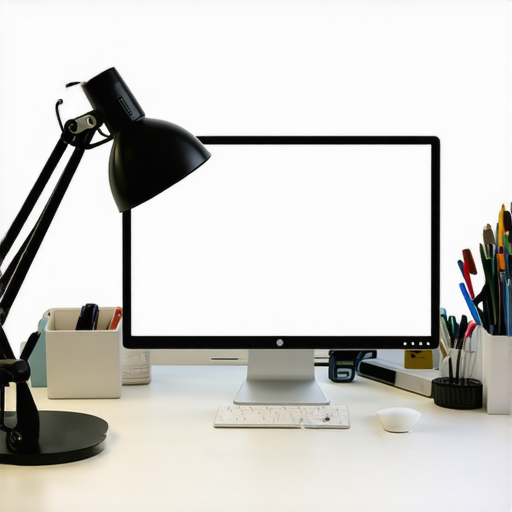
![5 Smart Bias Lighting Apps for 2026 OLED Screens [Tested]](https://lighting.techdeskessentials.com/wp-content/uploads/2026/02/5-Smart-Bias-Lighting-Apps-for-2026-OLED-Screens-Tested.jpeg)
I’ll never forget the moment I realized my workspace was sabotaging my focus—squinting at a glare-heavy screen, frustration mounting as my eyes tired faster than expected. It was a typical evening, the room dim, but my OLED monitor’s reflections and harsh LEDs made everything look washed out or overly contrasted. That lightbulb moment led me down a rabbit hole of experimenting with bias lighting and smart apps, hoping to transform my setup. And let me tell you, finding the right bias lighting isn’t just about aesthetics; it’s about protecting your eyesight and boosting productivity.
Why Your Screen’s Lighting Can Make or Break Your Day
In the age of stunning OLED displays, many overlook how ambient lighting influences their viewing experience. Poorly set up lighting can cause eye strain, reduce contrast, and even mess with your sleep schedule. I used to dismiss bias lighting as a gimmick—until I endured constant headaches and fatigue, despite having a high-end monitor. It turns out, the right lighting setup can significantly improve your viewing comfort and clarity, especially on 2026 models packed with 8K resolution and ultra-wide screens. According to research by the American Optometric Association, improper ambient light not only strains the eyes but can also lead to long-term vision problems.1
If you’re like me, frustrated with flickering lights, glare, or just feeling that your display doesn’t look as vibrant as it should, then you’re in the right place. Today, I’ll guide you through the top 5 smart bias lighting apps tested specifically for 2026 OLED screens. These apps make it effortless to fine-tune your workspace lighting, eliminate glare, and enhance your screen’s contrast—all with just a few taps. Whether you’re working, gaming, or binge-watching, mastering your ambient lighting can be a game-changer.
Are All Bias Lighting Apps Created Equal? My Early Mistake
When I first started exploring bias lighting apps, I thought any app would do the trick. I downloaded several, only to be disappointed—some lagged, others distorted colors, and a few caused flickering that worsened my eye fatigue. My mistake? I didn’t check reviews or tested the apps with my specific OLED model. It’s crucial to pick apps designed for high-resolution screens with accurate color calibration. To dodge common pitfalls, check out trusted resources like lighting tips that help optimize your entire setup. Now, with tested app recommendations, I’m happier—and my eyes are thanks to a better-lit space. So, if you’ve faced similar issues, buckle up, because I’m about to share the perfect solutions tailored for your 2026 OLED screen.
Position Your Desk Lamp Carefully
Start by placing your desk lamp about 45 degrees to the side and slightly behind your monitor, avoiding direct glare onto the screen or your glasses. I once spent an afternoon fiddling with my LED lamp, moving it little by little, until I noticed the glare completely disappeared from my glasses. Use this as a reference to optimize your setup, as proper placement can prevent annoying reflections and reduce eye strain. Learn more about ideal lamp positioning at where to place your LED lamp.
Adjust the Brightness and Color Temperature
Next, tune your lamp’s brightness to match your room’s ambient light without overpowering your display. I recommend a color temperature around 6500K, which aligns with natural daylight—great for visual clarity and alertness. Using an app or the lamp’s control, set this temperature to avoid the ‘green tint’ common in low-quality lighting. For precise calibration, check out CRi fixes for 2026.
Implement Bias Lighting Effectively
Bias lighting involves placing a gentle, colored light behind your monitor to boost contrast and reduce eye fatigue. Think of it like a proper background glow that guides your vision smoothly from screen to room. During a messy weekend project, I installed a bias light strip behind my OLED, making the screen appear more vibrant and my eyes less tired after hours of work. To replicate this, consider using LED strips with high CRI, positioned according to expert tips available at bias lighting tips. Make sure to avoid harsh colors or low CRI LEDs that distort your display’s hues.
Control Glare and Reflections
Glare is the enemy of crisp visuals, especially on ultra-wide OLEDs with glossy screens. My breakthrough came when I experimented with angling my light sources and utilizing matte desk mats. A crucial step was adjusting my LED lamp’s height and tilt to prevent reflections from reaching my eyes or the screen surface. Use a simple method: sit in your usual position, turn on your lamp, and observe where reflections appear. Fine-tune until these disappear or become negligible. For detailed placement strategies, visit ring light placement guides.
Automate for Consistency
Finally, integrating smart apps to automate brightness and color temperature adjustments helps sustain a comfortable workspace. I set my bias lighting app to dim gradually at sunset, minimizing blue light exposure and aiding my sleep cycle. When working late, I use shortcuts to switch between focus and ambient modes swiftly. Explore dedicated apps and their customization options at best bias lighting apps for 2026. Consistent lighting not only preserves your eyesight but reinforces a healthy work routine.Many assume that selecting a simple desk lamp or installing a ring light is enough to create an optimal workspace. However, this misconception oversimplifies the nuances of effective lighting. For example, a common mistake is thinking brighter is always better. Brightness levels should be tailored to your specific environment; excessive illumination can lead to glare and increased eye strain, especially on high-resolution OLED displays that are sensitive to light contrasts.
Another myth is that all LED lamps or bias lighting are created equal. In reality, the color rendering index (CRI) varies significantly among products, affecting how accurately your screen colors appear. Investing in high-CRI lighting, ideally above 90, can preserve visual fidelity and reduce fatigue during prolonged work sessions. Studies by lighting experts reveal that poor color accuracy in ambient lighting not only distorts screen hues but can also contribute to headaches and decreased productivity1.
The hidden trap often lies in the placement and adjustment of your lighting sources. Positioning a desk lamp directly behind your monitor might seem intuitive, but it can cause unwanted reflections and glare—especially if your screen is glossy or curved. Instead, angling your light at 45 degrees and ensuring it’s slightly higher than eye level creates a softer, more comfortable illumination.
How can advanced bias lighting enhance contrast without causing color distortion?
Effective bias lighting behind your monitor should aim to elevate contrast and reduce eye fatigue by providing a steady, subtle glow. Yet, many neglect to calibrate the color temperature, which should match your ambient room lighting rather than overpowering the screen. A neutral temperature around 6500K is recommended, as it mimics natural daylight and minimizes color distortion2.
Furthermore, the quality of your bias light impacts how well it complements your display. High CRI LED strips that emit uniform, flicker-free light prevent unnatural color shifts and won’t add unnecessary strain. Be cautious of cheap, low-CRI LEDs that may appear bright but distort your perceived colors and create distracting flicker, undermining your workspace’s comfort.
Avoiding these pitfalls means paying attention not just to the type of lighting but also to its placement, calibration, and quality. Whether you’re working on high-detail graphic design or simply browsing, the right ambient lighting setup enhances visual clarity and promotes eye health. For tailored guidance, consider exploring expert tips at bias lighting advice.
Have you ever fallen into this trap? Let me know in the comments.
Maintaining optimal workspace lighting requires more than just selecting the right lamp or bias lighting; it involves proactive upkeep and the right tools to ensure consistent performance. Over time, dust accumulation, bulb degradation, and technological updates can diminish your lighting setup’s effectiveness. That’s why I rely on specific maintenance routines and high-quality tools to keep my lighting system functioning flawlessly.
Invest in Quality Cleaning Tools for Longevity
Regular cleaning of your LED lamps, ring lights, and bias lighting strips is critical. I personally use a microfiber cloth combined with a gentle, non-abrasive cleaner specifically designed for electronics. This combination effectively removes dust and smudges without damaging sensitive surfaces or reducing luminance. I avoid harsh chemicals that can degrade the plastic or cause discoloration. For specialized cleaning, especially with high-CRI LED strips, I utilize compressed air to dislodge dust from hard-to-reach areas, preventing buildup that can affect heat dissipation and lifespan.
Use Diagnostic Apps to Monitor Light Quality
To ensure my lighting maintains its color accuracy and flicker-free operation, I use calibration tools and apps that analyze light output in real time. For example, a spectrometer app paired with a USB light meter can detect shifts in color temperature or flickering that may signal aging components or power fluctuations. These tools help me decide when it’s time to replace or refurbish parts before performance drastically declines, saving money and protecting my eyesight over the long run. As technology progresses, affordable digital sensors are becoming invaluable for personal workspace maintenance, and staying updated with the latest software ensures your setup remains optimal.
Schedule Regular Upgrades and Check-Ups
Lighting hardware isn’t meant to last forever. I recommend scheduling annual reviews of your workspace lighting, including replacing bulbs or strips showing signs of dimming or color shifts. Also, keep abreast of new advancements, such as the latest high-CRI LED lamps or smarter bias lighting solutions that adapt to your environment. For instance, upgrading to a model with adjustable color temperature and integrated smart controls can significantly enhance your setup’s adaptability, especially as monitor resolutions and color standards evolve. Staying proactive with maintenance preserves your investment and ensures your workspace remains conducive to productivity and eye health.
Plan for Scalability as Your Workspace Grows
As your needs expand, integrating modular lighting components allows scalable upgrades without dismantling your entire setup. Magnetic LED strips or snap-on bias lights can be added effortlessly, and tools like dimming controllers enable precise adjustments as your workspace transforms. I’ve found that planning the layout with future upgrades in mind minimizes disruptions and ensures consistent lighting quality. Consulting resources such as workspace lighting guides helps craft a flexible plan for long-term success.
How Do I Maintain My Lighting Over Time?
Creating a routine that includes regular cleaning, performance monitoring with diagnostic tools, and scheduled upgrades ensures your workspace lighting stays optimal. Keep a checklist to review your setup at least once every six months, noting any flickering, color shifts, or dimming. Invest in quality accessories and software to facilitate calibration, and consider booking professional calibrations periodically for the most accurate results. By staying vigilant and proactive, you guarantee your workspace lighting continues to support your health, productivity, and the evolving technology of your monitors and devices. For tailored advice or service options, feel free to reach out to me for personalized support. Try implementing a monthly cleaning routine combined with a diagnostic check—small steps that make a big difference in maintaining long-term performance.
Lessons That Changed My Approach to Workspace Lighting
- My biggest breakthrough was realizing that ambient lighting isn’t just about brightness—it’s about harmony. Small adjustments in color temperature transformed my screen clarity and reduced eye fatigue, making hours at my OLED monitor enjoyable rather than exhausting.
- Initially, I underestimated the power of placement. Positioning my bias light correctly behind my monitor made contrast pop and made my workspace feel more immersive. It was like giving my display a perfectly fitting frame, which enhanced every detail.
- I learned that not all apps are created equal. Investing time in selecting a bias lighting app that integrates seamlessly with my OLED model saved me from flickering issues and inconsistent brightness. Tailoring settings to my environment changed everything.
- Regular maintenance turned out to be crucial. Simple routines like cleaning my LED strips and recalibrating color temperature kept my workspace vibrant and healthy for my eyes, proving that great lighting requires consistent care.
Tools and Knowledge That Elevate My Workspace Experience
- LightBox Pro—This calibration tool helps me measure and adjust the color temperature of my bias lighting, ensuring accurate hues that match my OLED’s capabilities. Trust me, precise calibration prevents unnatural color shifts and eye strain.
- SmartLighting Hub—A reliable app I use to automate brightness and temperature changes based on time of day or activity. It’s like having a personal lighting assistant making my setup adaptive and stress-free.
- LEDStrip Master—High CRI LED strips that deliver consistent, flicker-free glow. They’ve made my contrast more vivid and my colors truer, elevating my visual experience every day.
- Expert articles and tutorials have broadened my understanding and helped me fine-tune every detail—turning my workspace into a sanctuary for focus and comfort.
Your Move: Brighten Your Future with Smarter Lighting
Taking control of your workspace lighting isn’t just about aesthetics—it’s about empowering yourself to work smarter, see clearer, and protect your eyesight on your journey with 2026 OLED screens. Small tweaks today can lead to a healthier, more productive tomorrow. Now is the perfect time to experiment, calibrate, and improve your lighting setup—your eyes will thank you for it.
What challenges have you faced in optimizing your workspace lighting, and how did you overcome them? Share your stories below!

About the Author
Ricardo Vargas
Director of Operations and Product Development
Ricardo Vargas is a seasoned professional in the lighting industry, currently serving as a Director of Operations and Product Development
LinkedIn Profile
Reading through the post really made me reflect on how much ambient lighting influences my daily screen time. I used to think that the monitor’s brightness and resolution alone determined my comfort, but I quickly noticed eye fatigue and headaches after long hours without proper background lighting. Since incorporating bias lighting, especially with adjustable smart apps, my experience has improved noticeably. I recently tried positioning my LED strip slightly higher and at an angle, which drastically cut down glare reflections. I’m curious—has anyone experimented with different color temperatures to mimic natural daylight more precisely? I’ve read that around 6500K works best, but I wonder if adjusting toward warmer or cooler tones could benefit those working late or trying to improve sleep quality afterward. Would love to hear different perspectives or tips on optimizing color calibration for both clarity and eye health.