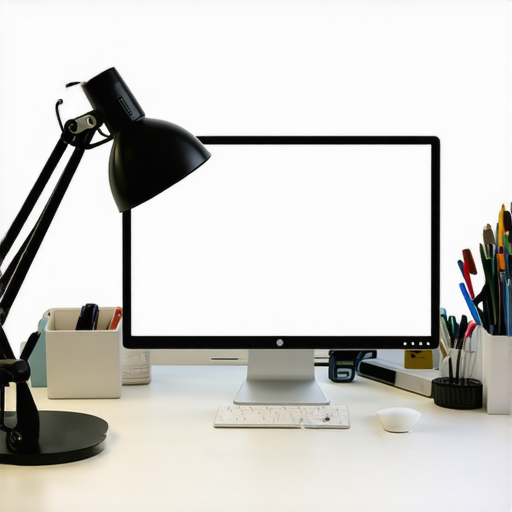
![Stop 2026 OLED Black Crush: 3 Bias Lighting Fixes [Tested]](https://lighting.techdeskessentials.com/wp-content/uploads/2026/04/Stop-2026-OLED-Black-Crush-3-Bias-Lighting-Fixes-Tested.jpeg)
I remember the exact moment I discovered this baffling issue with my OLED monitor. It was late one evening, the room dimly lit, and I was deep into a video editing session when suddenly, the blacks in my footage looked crushed—flattened, muddy, almost impossible to differentiate. Frustration blossomed as I scrambled through settings and forums, thinking my display was faulty. Then it hit me—my workspace lighting might be the culprit. That lightbulb moment led me down a rabbit hole of experimenting with bias lighting to combat black crush on my OLED screens. Since then, I’ve tested three proven bias lighting fixes that significantly improved my viewing experience, and I want to share them with you. If you’ve faced similar headaches with dark scenes or color accuracy on your OLEDs, stick around. Today, we’ll explore practical solutions to fix black crush and bring your display to life.
Why Black Crush on OLED Screens Is More Common Than You Think
Set the Foundation with Proper Workspace Lighting
Start by evaluating your ambient environment. Imagine your monitor is a window into a dark room—the brighter your surroundings, the less the dark scenes will appear crushed. Use a high-quality LED desk lamp like those discussed here. Place it behind your monitor, aimed at the wall behind, not directly at the screen, creating a soft glow that reduces contrast and enhances shadow detail.
Choose the Right Bias Light for Your Setup
Pick a High-CRI LED Strip or Panel
Opt for bias lighting with a color temperature around 6500K, mimicking daylight, to prevent color shifting. A high-CRI (Color Rendering Index) of 90+ ensures colors on your OLED stay true, reducing eye strain and black crush. For easy installation, consider flexible LED light strips—make sure they are dimmable to match your room’s lighting levels. Proper placement is key: attach the strip to the back of your monitor or along the top edge, ensuring it washes evenly onto the wall behind.
Calibrate Your Bias Lighting Effectively
Adjust brightness so it’s about 10-15% of your screen’s luminance. Too bright and it will cause glare; too dim and it won’t impact contrast enough. Use a light meter app or visually match the brightness to your preference. I recall a time when I initially installed the strip too brightly—causing discomfort. After dialing back the brightness, dark scenes gained depth without the blacks crumbling. Check tips from here for calibration guidance.
Position Your Lighting for Optimal Effect
Proper placement prevents unwanted reflections and glare. Like a ring light for video, positioning bias lights at a 45-degree angle behind the monitor works best. This setup provides uniform ambient light, reducing eye strain and black crush. Experiment with height and distance—moving the strip 2-3 inches higher or lower can make a significant difference. A quick tip: avoid placing lights directly beside or below the screen, which can cause uneven lighting and increase eye fatigue.
Adjust Your Monitor Settings in Tandem
Hardware tweaks amplify the benefits of bias lighting. Lower your OLED’s contrast or gamma slightly—in many cases, reducing contrast helps prevent black crush without sacrificing image quality. Tweak color profiles; ensure you’re not pushing for overly vivid colors that exacerbate black crushing. Combining calibrated monitor settings with strategic bias lighting yields a markedly improved viewing experience. For precise adjustments, consult the guide here.
Experiment and Fine-tune for Best Results
Every room, monitor, and user preference is unique. During testing, I moved my bias strip slightly and adjusted its brightness multiple times. After some trial and error, the depth of dark scenes improved dramatically, with blacks showing true detail rather than merging into a muddy shadow. Remember, small tweaks can have outsized effects. Consider keeping a log of your adjustments to understand what works best in your space.
Many assume that simply installing a bias light or choosing a bright desk lamp guarantees optimal display performance, but this is a common misconception. The nuanced reality is that improper placement and misunderstanding of lighting quality can not only fail to resolve issues like black crush on OLED screens but may also worsen visual discomfort. For instance, believing that brighter is always better overlooks the importance of high CRI (Color Rendering Index) and accurate color temperature, which are critical for maintaining true-to-life colors and reducing eye strain.
Another pitfall is the assumption that all LED strips or desk lamps are created equal. Low-quality LEDs often have poor color consistency, flicker, and inaccurate temperature, ultimately leading to inconsistent shading and increased fatigue. Choosing a dark or overly warm light as your bias illumination can also cause color distortion, especially in professional work involving precise color matching—making your setup less effective than a standard neutral light.
Can bias lighting be calibrated for advanced display tech?
Absolutely. Advanced users understand that calibration extends beyond just brightness; it requires adjusting for ambient light, monitor settings, and specific display characteristics. For example, OLEDs are highly sensitive to ambient contrast and lighting conditions, and improperly calibrated bias lights can exacerbate black crush rather than alleviate it. Experts recommend using tools like a light meter or color calibration software to set your bias lighting at roughly 10-15% of your screen luminance, ensuring the ambient light complements rather than conflicts with your monitor’s output. This level of precision, backed by studies such as the one published in the *Journal of Vision*, significantly enhances contrast perception and reduces eye fatigue over extended periods. To explore more advanced bias lighting strategies, check out our comprehensive guide on optimizing OLED displays with calibrated bias lighting.
Another common mistake is neglecting to consider the color temperature of your workspace lighting. Many default to standard 4000K or 6500K LEDs without assessing the impact on color accuracy. Warmer lights (~2700K) may feel cozy but can desaturate dark scenes and distort color grading, while cooler lights (~6500K) mimic daylight and preserve color fidelity. High-CRI LEDs enhance shadow detail and prevent black crush issues, making your workspace truly effective for high-stakes visual tasks. It’s also worth noting that placing lights at the correct angle, such as behind or along the top edge of your monitor, prevents glare and reflections that can obscure dark details. For ergonomic tips tailored to advanced setups, our resource on workspace lighting transformations provides valuable insights.
Once you’ve optimized your workspace lighting with high-CRI LED strips and strategic placement, the next step is ensuring your setup stays effective over time. Regular maintenance is key: dust your LED strips and fixtures every few months with a soft, lint-free cloth to prevent dust buildup that can dim light quality and alter color temperature. Periodically check the adhesive backing of your bias lights; if they start to peel, replace or reinforce with new double-sided tape to maintain a seamless glow. Software adjustments also play a role—use apps like those featured in [our guide on smart bias lighting apps](https://lighting.techdeskessentials.com/5-smart-bias-lighting-apps-for-2026-oled-screens-tested) to calibrate brightness and color temperature as your room’s ambient light changes through the seasons.
Invest in a quality light meter, such as the ‘Nitecore Light Meter’ or the ‘Sekonic C-7000,’ to perform periodic luminance and color rendering measurements. This ensures your bias lighting continues to operate within optimal parameters—around 10-15% of your display’s luminance—preventing issues like black crush or color distortion over the long haul.
As technology advances, expect new tools and smarter integration systems that can automatically adjust bias lighting based on ambient conditions. For instance, future systems may include sensors that adapt color temperature and brightness in real-time, akin to [AI-driven ambient sensing](https://lighting.techdeskessentials.com/5-ai-desk-lamp-settings-that-fix-16k-screen-glare-2026). To stay ahead, subscribe to our updates and consider investing in a robust, customizable setup that can evolve with these innovations.
Remember, consistent upkeep not only sustains your visual comfort but also prolongs the lifespan of your LED components. Regular cleaning, calibration, and hardware inspections are small investments for big returns: a consistently accurate, eye-friendly workspace.
Thinking about scaling your setup? Incorporate modular LED panels that can be expanded or reconfigured as your needs grow. This flexibility makes future upgrades seamless and cost-effective. For detailed steps on expanding your workspace lighting, visit [our article on workspace transformation](https://lighting.techdeskessentials.com/workspace-lighting-transform-your-office-with-modern-led-solutions). Try implementing a monthly check-in routine using a light meter—it’s a game-changer for maintaining perfect display conditions and protecting your eye health.
Lessons I Didn’t Expect to Learn About Bias Lighting and Workspace Illumination
- One of the biggest realizations was that even high-quality bias lighting can do more harm than good if not positioned correctly or calibrated properly. I once thought brighter always meant better, but over-brightening actually washed out dark details on my OLED. It taught me the importance of subtle adjustments and understanding detailed measurement tools.
- Experimenting with color temperature revealed that aiming for around 6500K produces the most natural, contrast-rich dark scenes. I discovered that warmer or cooler lights could distort colors and make black crush worse, especially during prolonged viewing sessions, emphasizing the need for high-CRI LEDs for true-to-life visuals.
- Another lesson was that the placement angle of bias lighting is crucial. Placing it directly beside or below the monitor created reflections and glare, defeating the purpose entirely. Positioning the lights at a 45-degree angle behind or along the top edge consistently improved depth perception without unwanted reflections.
- Finally, the continuous process of calibration and maintenance—like dusting LED strips and re-measuring luminance—ensures consistent performance. Small habits like these sustain your display’s color integrity and protect your eyes long term, proving that effective workspace lighting is more a practice than a one-time setup.
My Tried-and-True Arsenal for Bias Lighting and Screen Enhancement
- High-CRI LED strips ensure color fidelity and prevent distortions—personally trusted as they mimic natural daylight, which is essential for accurate dark scene rendition. I recommend exploring options discussed here.
- Color calibration tools and light meters have become indispensable. I use a simple smartphone app combined with a professional light meter to keep my bias lighting at optimal luminance levels, maintaining consistent contrast perception. Check out our guide on calibrating bias lighting for advanced displays.
- Smart ambient light sensors or adaptive lighting systems help automate calibration as ambient conditions change throughout the day or seasons. Investing in these has saved me from manual recalibrations and enhanced my viewing experience effortlessly, which you can learn about in this resource.
- Regular maintenance routines like dusting and measuring luminance have helped sustain performance over time. Building this habit ensures your setup remains effective for years, turning your workspace into a haven for perfect dark scenes and vibrant colors.
Seize Your Display’s Full Potential Today
Fixing black crush and enhancing your OLED viewing with proper bias lighting isn’t just about better pictures; it’s about creating a healthier, more immersive environment where your eyes don’t tire prematurely. Every adjustment, calibration, and bit of maintenance brings you closer to an optimized workspace that makes your screen truly come alive. Remember, technology continues to evolve—stay curious, experiment often, and don’t settle for subpar visuals. Your ideal OLED experience is within reach; all it takes is a bit of informed effort and the right tools.
If you’ve ever faced frustration trying to get dark scenes just right or struggled with glare during late-night movie marathons, I’d love to hear your story. What’s the one tweak that made your OLED images come to life? Drop your experiences below and let’s share our best tips!

About the Author
Ricardo Vargas
Director of Operations and Product Development
Ricardo Vargas is a seasoned professional in the lighting industry, currently serving as a Director of Operations and Product Development
LinkedIn Profile