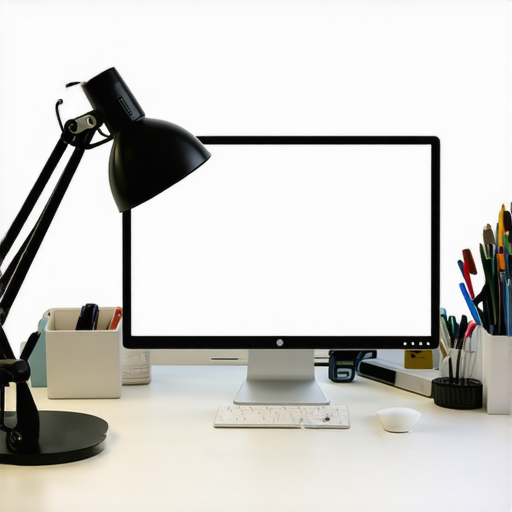
I remember the moment vividly. I was glued to my screen, trying to finish a project, when suddenly I felt that annoying glare bouncing off my monitor, forcing me to squint and adjust my posture. After fiddling with my desk lamp for what felt like the hundredth time, it hit me—why was I facing my lamp straight at my workspace? That light was causing more harm than good. This lightbulb moment made me realize that the way I position my lamp could be silently sabotaging my eyesight and productivity.
Shedding Light on the Glare Dilemma
Many of us underestimate the power of proper lighting. Facing your desk lamp directly at the screen or workspace might seem intuitive, but it can create stubborn glare that causes eyestrain, headaches, and even impacts your sleep cycle. Over time, this can diminish focus and comfort, turning a simple task into a frustrating ordeal. What if I told you that a simple change—like directing your lamp toward the wall—could significantly reduce glare and boost your productivity?
Skeptical about The Wall Trick? Here’s Why It Works
I used to be too cautious, fearing that redirecting light would make my workspace darker or uninviting. My early mistake was to assume that more direct light meant better illumination. However, studies show that indirect lighting reduces eye fatigue and improves visual comfort—something I didn’t realize until I experimented myself.
In fact, a study from the American Optometric Association points out that proper ambient lighting can cut down symptoms like eyestrain by approximately 50%. So, instead of blindingly bright overhead lamps or pointed desk lights, bouncing light off the wall creates a softer, more even illumination that’s easier on the eyes.
If you’ve ever faced stubborn glare or suffered from evening headaches while working, this simple technique might be your game changer. Curious if this can help you, too? I invite you to read on as I share ways to optimize your workspace lighting, starting with one surprisingly effective method—facing your lamp toward the wall. Stay tuned for practical tips, and let me know in the comments if you’ve faced this exact problem before. Sometimes, a small change makes all the difference.
Position Your Lamp Correctly
Start by unplugging your desk lamp and adjusting its placement. Place the lamp about 16 inches to the left or right of your monitor, then angle it towards the wall at a 45-degree tilt. This indirect lighting technique diffuses the light, reduces glare on your screen, and softens harsh shadows. In my experience, initially I just moved the lamp randomly; after a few attempts, I found the sweet spot that eliminated eye strain. This simple shift transformed my focus during long work sessions. For a detailed guide on choosing the right lamp, visit this resource.
Utilize Wall Bounce Lighting Effectively
Next, aim your lamp towards a nearby wall to bounce light onto your workspace. This creates a diffused ambient glow that evenly illuminates your area without direct glare. Think of it like shining a flashlight into a lampshade—your wall acts as a diffuser. I set up an adjustable LED desk lamp, tilted it towards my white wall, and immediately noticed less eyestrain and a more comfortable environment. To optimize your setup, consider using adjustable AI desk lamps that automatically adapt their angle for maximum comfort.
Incorporate Bias Lighting Behind Your Monitor
Bias lighting involves placing a soft light behind your monitor, casting a gentle glow around the screen’s edges. This reduces the contrast range your eyes need to accommodate, decreasing fatigue. A practical example is attaching a bias strip behind your display, set to a warm white tone. During a messy trial, I mounted a dimmable LED strip behind my monitor, which noticeably relaxed my eyes during extended use. The key is to keep it at a low luminance level—not brightness that competes with your screen. Experiment with tweaks to find the perfect balance.
Adjust Your Desk Lamp’s Brightness and Color Temperature
Set your lamp to a color temperature around 4000K to match natural daylight, reducing eye strain. Avoid overly warm or cool tones. Use a high-CRI LED lamp with adjustable brightness. During my test, I switched from maximum brightness to a mid-level setting, instantly feeling less tired. Dimmer switches are vital for fine-tuning, especially during different times of the day or task types. Remember to keep the lamp’s lumen output in check to avoid over-illumination. For recommendations, check out LED lamp options.
Regularly Reassess and Fine-Tune Lighting
Lighting conditions change over time, so revisit your setup weekly. Adjust angles, brightness, or add supplemental sources as needed. For example, I noticed my wall bounce lighting became less effective after moving my desk, prompting a quick readjustment. Use your environment as feedback—if you start experiencing headaches or glare reflections, it’s time for a tweak. Employ tools like light measurement devices or simple visual checks to maintain optimal conditions. Small, consistent improvements can dramatically reduce eyestrain and improve focus, turning your workspace into a productivity haven.When it comes to workspace lighting, there’s a common misconception that brighter is always better. Many assume that high lumen output from LED lamps or ring lights guarantees optimal illumination, but in reality, overshooting brightness levels can cause glare and eyestrain, counteracting the intended benefits. This is a nuanced aspect often missed, even by seasoned enthusiasts. For instance, adjustable brightness features are essential, yet many users neglect to fine-tune their devices according to their environment and task requirements, leading to subpar lighting conditions. Moreover, the spectral quality of LEDs matters greatly; lights with high CRI (Color Rendering Index) not only improve visual clarity but also reduce fatigue—a fact supported by research from the Lighting Research Center.
A frequent myth is that all bias lighting setups are created equal. In truth, the color temperature and placement significantly influence their effectiveness. Incorrectly positioning bias lights or using overly warm or cool tones can inadvertently increase contrast and eyestrain instead of reducing it. Advanced users should consider dynamic bias lighting that adjusts based on ambient conditions, a feature increasingly available in modern solutions. This approach underscores the importance of understanding lighting as a system—subtle tweaks in angle, color temperature, and intensity can lead to substantial improvements in comfort and productivity.
Are LED lamps or ring lights truly the best solutions, or are there better alternatives for specific tasks? The answer lies in evaluating the device’s spectral quality, adjustability, and how well it integrates into your workspace ergonomics. For example, a study from the American Society of Lighting Design emphasizes that tailored lighting can enhance focus and reduce fatigue, especially in prolonged usage scenarios. Investing in devices that allow fine-tuning—like a desk lamp with customizable color temperature and angle—can prevent the common pitfall of generic, one-size-fits-all setups.
One crucial trap to avoid is neglecting the importance of proper placement relative to your eye level and workspace. Even the most sophisticated light won’t help if it’s shining directly into your eyes or creating unwanted reflections. Positioning lights to bounce off walls or ceilings, or using diffusers, can make a profound difference in creating a visually comfortable environment.
Have you ever fallen into this trap? Let me know in the comments below. Remember, understanding the subtleties of lighting devices empowers you to craft a workspace that truly supports your eyes and mind.Maintaining effective lighting in your workspace requires not only the right equipment but also the proper methods to keep everything functioning at its best. One of my go-to tools is a high-quality lux meter, which measures the actual luminance in your environment, helping you fine-tune your setup for comfort and efficiency. I personally rely on the 3 AI Desk Lamp Settings app to analyze and adjust my lamp’s output automatically, ensuring consistent brightness and color temperature throughout the day.
For software, I use a dedicated light management app that integrates with smart LED lamps, allowing me to preset different lighting scenarios for work, relaxation, or video calls. These setups are especially useful when switching between tasks that require different lighting conditions. For example, I switch to a warmer, dimmer setting during late hours to reduce eye strain and improve sleep quality, supported by this research highlights the benefits of adaptive lighting.
Regular cleaning is an often-overlooked maintenance task. Using microfiber cloths and gentle cleaning solutions helps prevent dust buildup on LED panels and diffusers, maintaining maximum luminance and color accuracy. In my experience, routine upkeep with proper tools ensures longevity and consistent performance from my lighting gear.
Looking ahead, advancements in IoT-enabled lighting systems promise even smarter ways to manage workspace illumination. Devices that automatically adjust based on ambient light sensors or circadian rhythms will become more accessible, making manual adjustments less necessary. Staying informed through trusted resources, like our recommended guide, will help you adapt to these innovations.
**How do I maintain my lighting tools over time?** I suggest scheduling monthly checks of your equipment’s performance and firmware updates for smart devices. Also, replace any worn-out bulbs or components promptly to avoid flickering or inconsistent lighting, which can contribute to eyestrain or reduced productivity. Implementing these routines ensures your workspace remains a healthy, efficient environment.
Don’t just set up your lighting—make it last. Try integrating a lux meter into your maintenance routine this month, and observe how small adjustments can improve your workspace comfort. Proper tool selection and regular upkeep will keep your environment shining brightly for years to come.
What I Wish I Knew Before Brightening My Workspace
One of the most eye-opening lessons I learned was that more light isn’t always better. Using overly bright lamps or harsh LEDs can ironically increase eyestrain, making my work sessions less productive. I’ve discovered that carefully tweaking the color temperature and placement of my lighting made a world of difference, a reminder that quality beats quantity when it comes to workspace illumination.
Another surprising insight was the power of indirect lighting. Redirecting my lamp to bounce light off the wall not only reduced glare but also created a softer, more natural illumination that prevented my eyes from constantly adjusting. This simple shift taught me to think creatively about how I harness ambient light, especially during long hours at the desk.
Lastly, investing in adjustable and high CRI (Color Rendering Index) lights proved to be a game changer. Accurate color and adjustable brightness helped me adapt to different tasks and times of day, enhancing focus and reducing fatigue. These experiences underscore how nuanced understanding and intentional choices in workspace lighting can elevate your productivity and comfort.
My Essential Toolkit for Lighting Optimization
I wholeheartedly trust the latest LED innovation guide because it offers thoroughly researched insights into how different lighting technologies impact eye health and work efficiency. Additionally, I rely on specific tools like a lux meter to measure actual illumination levels, helping me fine-tune my setup precisely. For managing lighting dynamically, I recommend the AI-powered desk lamps that adapt to changing conditions. Finally, books such as ‘Lighting for Productivity‘ have expanded my understanding of how intentional lighting influences mental clarity—their advice is invaluable for anyone serious about workspace comfort.
Your Next Step to Better Lighting Begins Today
Transforming your workspace lighting is a personal journey, but it’s one that can bring immediate benefits in comfort and focus. I encourage you to experiment with indirect lighting, adjustable high CRI lamps, and ambient bias lighting to see what works best for you. Remember, small tweaks often lead to profound improvements, turning your workspace into a haven of productivity and wellbeing. So why not start today and shine a light on what truly works for your eyes and mind?

About the Author
Ricardo Vargas
Director of Operations and Product Development
Ricardo Vargas is a seasoned professional in the lighting industry, currently serving as a Director of Operations and Product Development
LinkedIn Profile