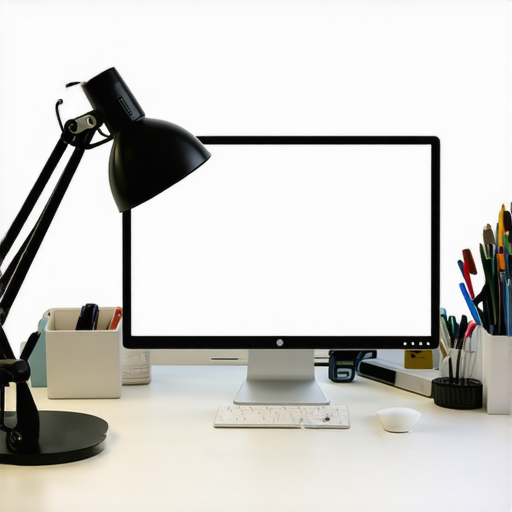
I vividly remember the moment I realized my glossy monitor was turning my entire workspace into a glare battlefield. It was late afternoon, and I was squinting so hard at my screen that I thought I might end up with a permanent line between my eyebrows. Every reflection, every shine — it felt like trying to read a book through a shiny car windshield. Frustrating doesn’t even begin to cover it. That’s when I had my lightbulb moment: why not try something simple and affordable to fix this? Spoiler alert: a $20 bias light strip changed my entire setup. If you’ve ever fought with reflections or struggled to see your screen clearly, stick around. Today, I’ll share how a tiny lighting upgrade transformed my gloss-prone monitor into a glare-free zone, boosting both my comfort and productivity.
Seeing Clearly with a Small but Mighty Upgrade
Office and gaming setups alike often overlook the power of correct lighting. I used to think that more light meant better visibility—until my bright desk lamp reflected off my screen, creating a high-glare mess. After a series of trial-and-error, I stumbled upon an inexpensive fix: a bias light strip. Think of it as giving your monitor a gentle glow, reducing the harsh contrast and minimizing reflections that make your screen difficult to see. It’s a simple trick, but its impact was immediate and profound.
Is a $20 Bias Light Strip Actually Worth the Hype?
This was my biggest skepticism at first. I wondered if such a small investment could truly make a noticeable difference. My early mistake was not researching the ideal placement or color temperature, which limited my results. But once I aligned the bias light properly and chose a 6500K color temperature, my monitor’s glare diminished. According to lighting experts, bias lighting enhances perceived contrast and reduces eye strain—a win-win for anyone spending hours at their desk. If you’re tired of squinting or dealing with annoying reflections, this tiny addition might be your game-changer. Curious to learn how it works? Check out our bias lighting tips for more insights.
Position Your Desk Lamp Correctly
Start by placing your desk lamp behind or to the side of your monitor, not directly in front. I once tried positioning mine directly in front, which cast shadows and increased glare. Moving it 45 degrees to the side instantly reduced harsh reflections. Think of your desk lamp as guiding light—aim it to illuminate your workspace without shining directly onto your screen. For precise placement, use a small level or simply adjust until you notice a soft, even glow without reflections. To get expert tips on choosing the right lamp, visit this guide.
While many assume that choosing a bright LED lamp or a stylish ring light automatically ensures optimal workspace lighting, the reality is far more nuanced. A common myth is that higher brightness or a higher color temperature always translates to better visual comfort. In fact, excessive brightness, especially in poorly calibrated lamps, can exacerbate glare and cause eye strain, defeating the purpose of proper lighting. Experts have shown that the perceived quality of light hinges on factors like beam angle, diffusion, and color rendering index (CRI), not just raw lumens. For instance, a modern LED lamp with high CRI and well-designed optics can outperform brighter, cheaper alternatives in reducing eye fatigue.
How can advanced workspace lighting tricks give you an edge?
One critical yet often overlooked aspect is the placement of bias lighting relative to your monitor’s position. Many users inadvertently position their bias lights or desk lamps in ways that create new glare sources rather than mitigating existing ones. This is a trap—what I call the ‘reflection paradox’—where lighting meant to reduce eye strain ends up reflecting off a glossy screen, increasing discomfort. A strategic placement, such as mounting bias lighting behind the monitor at a 10-15 degree angle, minimizes reflections and enhances contrast perception. Research from lighting scientists underscores that proper positioning and color temperature alignment are essential for reducing visual stress, especially during long work sessions. For practical tips, check out bias lighting positioning strategies.
Another common mistake involves neglecting the spectral composition of your lighting sources. Many default to standard 2700K or 3000K bulbs, which emit warm hues that may seem cozy but are suboptimal for tasks requiring color accuracy and alertness. Modern LED solutions with adjustable color temperatures can be tuned to enhance focus and reduce eye strain, especially when aligned with circadian rhythms. Choosing an inappropriate color balance can impair contrast sensitivity, leading to visual fatigue over time.
So, what’s the real impact of the small details in your workspace lighting? The differences are subtle but significant. From the angle of your desk lamp to the spectral quality of your bias lighting, each element plays a crucial role in comfort and efficiency. Remember, the goal isn’t just brightness but creating a balanced, glare-free environment that supports your eyes and focus. Don’t fall into the trap of oversimplifying lighting decisions; instead, embrace these advanced nuances to truly optimize your workspace. Curious to drill down into specific lighting hacks? Explore these expert strategies for preventing glare. Have you ever fallen into this trap? Let me know in the comments.
To ensure your workspace lighting continues to support your productivity and eye comfort, specialized maintenance and smart tool choices are essential. I personally rely on high-quality LED lamps with built-in dimming and color temperature adjustment capabilities, such as the Matter 6.0 LED lamps. These fixtures not only last longer but also adapt seamlessly to changing tasks and ambient lighting conditions. Regular cleaning of your fixtures to remove dust buildup prevents reduction in brightness and ensures consistent performance over time. Using a microfiber cloth and avoiding harsh chemicals preserves the integrity of sensitive optical components.
Software plays a crucial role too. I recommend using specific desktop applications that allow you to schedule lighting adjustments based on your daily routines. For instance, smart lighting platforms like LIFX or Philips Hue connect with their apps to automate your workspace lighting, switching to warmer hues at day’s end to reduce eye strain and support circadian health. This automation minimizes manual adjustments and keeps your setup optimized without extra effort.
Additionally, monitoring tools can help you assess how effective your lighting remains over months. Tools that track eye strain symptoms or alert you to decreased light output can motivate timely maintenance or upgrades. Incorporating these insights prevents accidental neglect that could lead to decreased visual comfort or even physical strain.
How do I maintain my lighting setup over time?
Establishing a routine check-in schedule—perhaps monthly—helps catch issues early. Inspect fixtures for dust or flickering, verify that smart controls function properly, and replace aging bulbs before they dim or shift color temperature unpredictably. Staying proactive with maintenance extends the lifespan of your investments and ensures your workspace remains comfortable and efficient for years to come.
Looking ahead, advancements in LED technology and smart home integration promise even greater reliability and adaptability. As industry insiders project, future lighting solutions will feature self-diagnosing systems that alert you to needed maintenance automatically, reducing downtime and optimizing health benefits. To keep pace, selecting fixtures with robust remote diagnostics, like the dual-zone bias lighting systems, is advisable.
Try implementing a scheduled cleaning and calibration routine for your fixtures and explore integrating smart controls into your setup. These small but impactful steps can significantly elevate the long-term performance and health benefits of your workspace lighting. For more technical insights, consult resources like this expert guide.
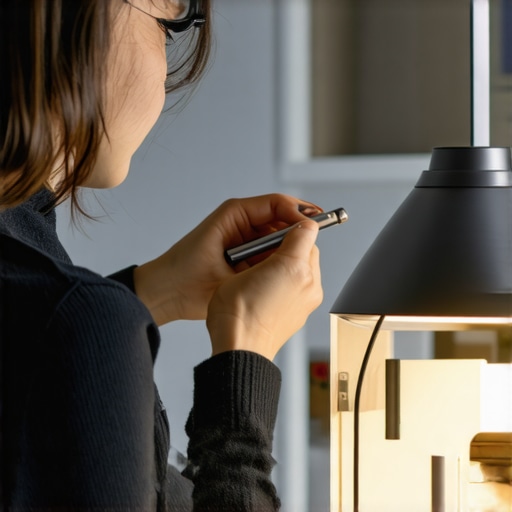
3 Lessons I Wish I Learned About Desk Lamp and Bias Lighting Tweaks
One of my biggest surprises was realizing that subtle adjustments—like angling my desk lamp just right or choosing the perfect bias light color—made all the difference in reducing glare and eye strain. It taught me that perfection isn’t about buying the most expensive equipment but fine-tuning what you already have.
Another insight was understanding the deceptive role of reflection paradoxes—how improperly placed lighting can increase glare rather than diminish it. Paying attention to positioning can save hours of discomfort and frustration.
A crucial revelation was that high CRI and adjustable color temperature are underrated features. They offer the flexibility necessary for optimized visual comfort, especially in dynamic work environments. Small, informed choices elevate your workspace from a zone of discomfort to a haven of productivity and health.
My Go-To Resources for Workspace Lighting Mastery
First, this guide on LED lamp innovations has transformed my understanding of what to look for. Its insights on spectral quality and energy efficiency are invaluable.
For bias lighting alignment, the bias lighting tips booklet offers practical tips that helped me reduce glare and improve contrast perception.
My favorite tool is the modern LED solution suggestions — they’ve saved me headaches and boosted my productivity with customizable features. Lastly, industry blogs like discussions on dual-zone bias lighting keep me updated on future tech that could revolutionize workspace ergonomics.
Light Your Path: Make Your Workspace Shine Bright and Clear
Your workspace lighting isn’t just a fixture—it’s a personal toolkit for focus, comfort, and health. Embrace the power of small, strategic changes, and let your workspace become a sanctuary where clarity and productivity flourish. Remember, the right lighting choices today pave the way for a healthier tomorrow. Ready to start fine-tuning your workspace lighting? Share your experiences or questions below, and let’s brighten our future together!

About the Author
Ricardo Vargas
Director of Operations and Product Development
Ricardo Vargas is a seasoned professional in the lighting industry, currently serving as a Director of Operations and Product Development
LinkedIn Profile