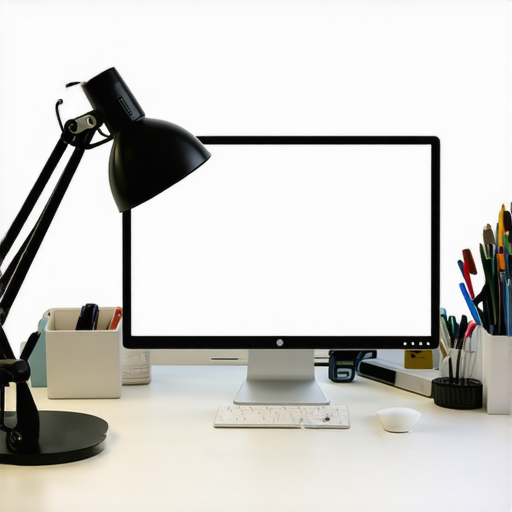

It was a typical Monday morning when I caught my reflection in the mirror and did a double-take. My eyes were puffy, my face looked dull, and I felt sluggish before even stepping out of bed. Nothing seemed to wake me up—no amount of coffee seemed to help, and my desk lamp’s harsh glow only added to my frustration. That moment was a lightbulb moment for me. I realized that my workspace lighting might be quietly sabotaging my mornings. Could adjusting my light schedule actually brighten my mood from the moment I wake?
Revolutionize Your Mornings with Intelligent Lighting
Imagine waking up to a gentle, warm glow that gradually brightens, mimicking the sunrise. Instead of abruptly flipping on a blinding light, your sleep cycle gently nudges you awake while your mood improves naturally. I adopted a smart bulb schedule tailored for mornings, and let me tell you, the results were transformative. Not only did I feel more energized, but I also started my day in a noticeably better mood. This isn’t some futuristic fantasy; it’s a practical approach that I’ve tested—and I want to share it with you.
Is All Light Equal? The Skeptic’s Biggest Concern
I’ll admit, I initially thought, “Does changing my lights really matter that much?” I had made the mistake early on of dismissing ambient lighting as a trivial detail. It seemed like a small thing, but it made a huge difference. A common misconception is that only natural sunlight can set a good mood, but modern smart lighting solutions can replicate that effect anytime, regardless of weather or season.
Surprisingly, studies show that exposure to properly timed lighting can influence both melatonin production and serotonin levels, directly impacting our mood and alertness (Harvard researchers found that light exposure significantly affects mood and cognitive function). So, yes—lighting really does matter. And with the right setup, you don’t have to wait for sunny mornings to start feeling good.
Are you tired of waking up feeling groggy and dragging through your day? Do you suspect your workspace lighting might be silently sabotaging your mornings? Keep reading. We’ll explore simple yet effective steps to schedule your smart bulb and set yourself up for positive mornings, every day.
Set a Realistic Lighting Schedule
Start by determining what type of lighting your mornings need. Use a smart bulb compatible with your system, like Philips Hue or LIFX, to create a gradual wake-up sequence. I remember initially trying to set my lights to turn on abruptly at 7:00 AM, but I found that a 30-minute gradual increase in brightness, simulating a sunrise, made waking up much gentler and more natural. Adjust the timing based on your wake-up time, and ensure the light transitions smoothly.
Choose the Right Light Temperature for Mornings
Warm light, around 2700K–3000K, mimics sunrise and helps you wake up gently. I experimented with different color temperatures, and switching to warm tones during my morning routine reduced my grogginess. When configuring your smart bulb, set a light profile that shifts from a soft orange to natural white as the morning progresses. For more about selecting optimal desk lighting, check out this guide.
Implement Bias Lighting to Reduce Eye Strain
Bias lighting involves placing a soft light behind your monitor to create contrast and reduce eye fatigue. I added a dim LED strip behind my screen, which instantly improved my focus and comfort. The key is to position the light so it shines indirectly, preventing glare and harsh shadows. Use a bias lighting strip with adjustable brightness and color temperature. For setup tips, visit this resource.
Position Your Desk Lamp Strategically
Your desk lamp should complement your room lighting without causing glare or shadows. I found that angling my LED lamp at about 45° toward my workspace, rather than directly overhead or face-on, minimized shadows on my papers and screen. Incorporate adjustable arms or dimmer features for flexibility. For optimal angles, review these tips.
Sync Lighting with Your Routine
Automation is key. I used a smart home hub to schedule my lighting—brightening gradually at 6:45 AM, peaking at 7:00 AM, then dimming at night. This consistency trains your body to anticipate waking cues. When configuring your system, ensure your app allows fine-tuned control; consider using IFTTT or native scheduling options for seamless operation. For detailed guidance, see this tutorial.
Experiment and Refine Your Setup
My first attempt was messy—lights flickered, or the schedule was off. Over several weeks, I tweaked brightness levels, timings, and color temperatures based on how I felt. Always monitor your mood and energy; small adjustments can make a big difference. Don’t be afraid to try different configurations until your mornings feel naturally energizing.
While many believe that choosing a ring light or bias lighting is as simple as picking the brightest or most popular option, the reality is far more nuanced. A common misconception is that more light always equates to better illumination; however, oversaturation can lead to glare, eye strain, and even washed-out skin tones, especially with cheap LED lamps. Advanced users know that color rendering index (CRI) and color temperature matter far beyond brightness. Low-CRI lights under 80 can distort colors and compromise visual accuracy, which is critical in professional settings like photo editing or content creation. Incorporating high-CRI lamps, such as those recommended in this article, ensures natural skin tones and sharp details. It’s a subtle detail many overlook in their quest for better lighting. Additionally, common myths suggest that uniform lighting across the workspace is always ideal. Yet, creating intentional contrasts and shadows—like strategic bias lighting behind monitors—can enhance depth perception and reduce eye fatigue. Recognize that poorly positioned desk lamps can cast distracting shadows or cause uneven illumination, undermining productivity. One advanced mistake is ignoring the impact of flickering in inexpensive LED fixtures, which can trigger migraines or visual discomfort over time. High-quality, flicker-free lights are a worthy investment, as supported by research from this resource. Don’t fall into the trap of assuming that all workspace lighting setups are universally effective; customization based on your tasks, eye health, and individual preferences is vital. Adjusting your workspace with knowledge about color accuracy, flicker mitigation, and contrast management yields far better results than generic solutions. Have you ever fallen into this trap? Let me know in the comments. Proceed with intentionality, and your workspace lighting will truly serve your needs.Maintaining your workspace lighting setup requires precision, consistency, and the right tools to ensure long-term performance and comfort. I rely on a combination of high-quality LED fixtures, smart control systems, and calibration apps to keep my lighting environment optimized. **First**, investing in flicker-free, high-CRI LED lamps like those recommended in this guide has been crucial. These fixtures provide stable illumination that doesn’t cause eye strain or color distortion over prolonged use. **Second**, I use smart lighting hubs, such as Philips Hue or LIFX, which allow me to schedule and automate adjustments for different times of day. This automation ensures consistent lighting conditions without manual intervention, saving me time and mental energy. **Third**, calibration tools like color temperature meters and CRI testers help me verify that my lights perform as intended. Regular calibration ensures that the lamps maintain their specified color accuracy, preventing color shifts that could impact my work or video calls. Over time, even quality LEDs can degrade, so periodic checks keep my environment consistent. Predicting future developments, I foresee integration of AI-driven lighting systems that adapt in real-time based on ambient conditions and user activity, minimizing manual adjustments. This would make workspace lighting entirely seamless and personalized. As for tools, I recommend exploring apps such as these AI desk lamp settings to refine your setup effortlessly.
How do I maintain my lighting setup over time?
Regularly inspect your fixtures for dust accumulation, which can diminish brightness. Replace aging bulbs before their lumen output drops significantly and recalibrate color settings with a color meter to ensure fidelity. Consistently updating your automation schedules to match your routines maximizes comfort and productivity. Incorporating these tools and habits guarantees that your workspace remains a haven of efficient, eye-friendly illumination. I challenge you to test a calibration app today—small investments like this can dramatically improve your visual environment and reduce fatigue.
The Hardest Lesson I Learned About ring light,bias lighting,desk lamp,led lamp,workspace lighting
One of my most surprising revelations was realizing that optimal workspace lighting isn’t just about brightness but understanding how color temperature, placement, and flicker-free technology work together. I once chased after the brightest LED lamp, only to find that harsh light heightened my eye strain and fatigue. The real breakthrough came when I prioritized high-CRI, flicker-free fixtures and learned to position my desk lamp at a 45-degree angle, avoiding typical glare pitfalls. This taught me that craftsmanship in lighting design meant focusing on quality and intention rather than sheer lumens.
3 Myths About ring light,bias lighting,desk lamp,led lamp,workspace lighting That Held Me Back
Initially, I believed that more light was always better, significantly increasing my eye discomfort. I also thought that a uniform, bright lighting environment eliminated shadows and optimized focus—this couldn’t be further from the truth. Another misconception was assuming that cheap LED fixtures were sufficient; however, low-CRI and flickering issues were silently sabotaging my productivity. Discarding these myths and investing in quality, well-placed lighting solutions transformed my workspace from a source of fatigue to a zone of clarity and comfort.
What Experts Won’t Tell You About ring light,bias lighting,desk lamp,led lamp,workspace lighting
Many professionals overlook the importance of high-CRI LED lamps with flicker elimination—a small detail that makes a significant difference in visual accuracy and eye health. Experts also understand that the angle and type of bias lighting behind monitors can reduce glare and enhance contrast, but this knowledge isn’t always visible in popular tutorials. Additionally, the integration of smart, adaptive lighting systems that sync with your daily routines remains under-discussed, even though they hold the key to effortless, personalized workspace comfort. Embracing these nuances elevates your environment from generic to genuinely optimized.
Where to Go from Here
If you’re ready to refine your workspace lighting, start by experimenting with high-CRI, flicker-free lamps and consider how their placement influences your focus and fatigue levels. Dive into resources like this guide to learn about positioning and color temperature. Automate your lighting schedule using smart hubs, and use calibration tools to ensure your lights deliver accurate, comfortable illumination day after day. Remember, the true power of workspace lighting lies in thoughtful customization—your environment should serve your health and productivity as much as your style.
Light Up Your Path and Make Bold Moves
Creating the perfect workspace lighting isn’t just a task—it’s an act of self-care and empowerment. By understanding the hidden secrets behind quality illumination, you can design an environment that energizes you, reduces eye strain, and boosts your overall well-being. Your desk deserves thoughtful lighting that adapts to your needs, so don’t hesitate to implement what you’ve learned and transform your daily routine. Ready to take the next step? Share your lighting puzzles below, and let’s illuminate the way together.

About the Author
Ricardo Vargas
Director of Operations and Product Development
Ricardo Vargas is a seasoned professional in the lighting industry, currently serving as a Director of Operations and Product Development
LinkedIn Profile