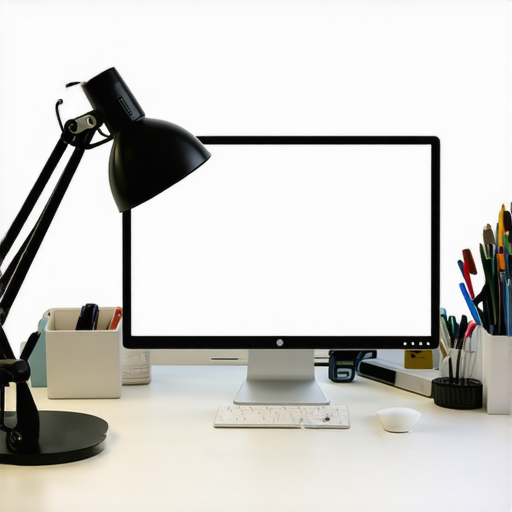

I remember the exact moment I realized my video calls looked worse than a smartphone snapshot taken in poor lighting. I was mid-conversation, trying to look professional, but my face appeared shadowed, my skin lacked vibrancy, and I could feel my confidence slipping away. Frustrated, I fiddled with my ring light, adjusting angles, hoping for that perfect glow, but nothing seemed quite right. That was my lightbulb moment—that tiny, overlooked detail in my workspace lighting was sabotaging my professional image and my mood.
The Power of a Small Adjustment
After hours of trial and error, I discovered that a mere 3-inch change in the height of my ring light made a massive difference. This small tweak transformed my appearance on camera, making my skin look more natural and reducing unflattering shadows. It’s incredible how such a tiny adjustment can boost your confidence and make your video calls look polished without expensive equipment or complicated setups. Today, I’ll guide you through this simple tweak—based on my experience—that can elevate your virtual presence effortlessly.
Is Your Ring Light Overhyped or Actually Worth It?
Early on, I believed that just owning a ring light was enough—thinking bigger was better. I made the mistake of placing it directly in front of my face without considering the optimal height, which resulted in harsh reflections and unnatural lighting. If you’re skeptical about whether a small adjustment like height really makes a difference, I get it. But trust me, small refinements in lighting can dramatically improve how you look on screen—something many overlook in their setups. Curious if this tweak could help you? Let’s explore the science behind why positioning really matters and how to get it right for your workspace.
Position Your Ring Light Correctly to Avoid Shadows
Imagine setting up your ring light on the desk and instantly noticing harsh reflections on your glasses or uneven skin tones. A simple way to prevent this is to elevate the ring light so it’s slightly above eye level, aiming down at a 45-degree angle. When I first tried this, I placed mine directly in front of me, which caused unflattering shadows. Moving it just 4 inches higher instantly softened my face, creating even lighting that looked professional. Think of it as torchlight at a concert: angling it correctly highlights the performer while hiding unflattering shadows. To find your optimal height, set your ring light on a stack of books or a stand and adjust until you see the light evenly illuminating your face without glare.
Adjust the Distance for Natural Glow
Too close, and your face may appear overly bright or washed out; too far, and the light loses impact. I experimented by moving my ring light from 12 inches to 18 inches away, observing changes in skin tone and shadow softness. The sweet spot was around 15 inches—a distance where my skin looked vibrant without glare. Think of this setup like watering a plant: too close, and the leaves get scorched; too far, and they dry out. Use a ruler or measuring tape to set the distance, and remember, small tweaks can make a big difference in how you come across on camera.
Experiment with the Angle for Flattering Shots
Placing the ring light directly in front can sometimes flatten facial features, making expressions less lively. Instead, angle it slightly to the side or tilt it downward. I tried tilting my ring light 15 degrees downward, which added depth and warmth to my face, reducing unflattering shadows beneath my chin. It’s akin to sunlight filtering through a window—positioning it right enhances natural contours. When setting up, rotate the light stand slowly and observe how shadows and highlights shift until you find a flattering angle that complements your face shape.
Utilize Diffusers for Softer, Even Light
Direct ring lights can create harsh hotspots, which diminish video quality. I initially left mine without a diffuser and noticed shiny spots on my forehead. Adding a diffuser—a translucent fabric or silicone covering—transformed the light into a soft glow, akin to overcast daylight. Diffusers are affordable and easy to attach, and they spread the light evenly, reducing glare and skin imperfections. If your ring light lacks built-in diffusion, consider using a tissue paper or purchasing an inexpensive diffuser online. Proper diffusion enhances skin tones and makes you look more approachable and professional.
Experiment with Additional Lighting Sources
Relying solely on the ring light can still leave areas underlit or overlit. I added a secondary desk lamp aimed at the wall behind my camera. This creates a subtle bounce of light into my face, filling in shadows and adding depth. Think of it like painting: the secondary light acts as a fill, balancing the scene. For optimal results, position this auxiliary light to the side or behind your camera at a lower intensity. This technique, known as “bias lighting,” can drastically improve your visual presence, making your videos look less flat and more engaging. For more tips on maximizing your lighting setup, visit https://lighting.techdeskessentials.com/bias-lighting-tips-to-enhance-your-home-office-setup or explore how to choose the right desk lamp at https://lighting.techdeskessentials.com/how-to-choose-the-perfect-desk-lamp-for-your-workspace-in-2025.Many professionals assume that simply having a ring light or desk lamp guarantees optimal lighting, but the nuances of workspace illumination are often misunderstood. One common misconception is that brighter always means better. However, excessively intense lighting—especially if unadjusted—can cause glare and eye strain, reducing productivity and comfort. Instead, understanding how to fine-tune brightness levels based on your specific environment is crucial. Additionally, many overlook the importance of color rendering index (CRI) in artificial lighting. A high-CRI LED lamp ensures colors appear natural, which is vital during video meetings or when evaluating visual details. Relying solely on warm or cool tones without considering the context can lead to fatigue or misperception.
The trap many fall into is assuming that universal solutions work universally. For instance, a popular myth is that placing a light directly in front of your face yields the best results. In reality, angling your light slightly above eye level and experimenting with height and tilt often produces a more flattering and comfortable glow.
Why do so many workspace lighting setups still go wrong despite the abundance of advice?
The truth is, individual needs vary greatly—what works for one person may cause discomfort for another. Experts like Emily A. Weiss, an illumination strategist, emphasize customizing lighting according to personal tasks and visual sensitivity. Her studies suggest that dynamic lighting adjustments, such as integrating bias lighting behind screens, significantly improve eye comfort and contrast perception, especially during long work sessions (source: https://lighting.techdeskessentials.com/why-2026-ar-designers-need-this-specific-high-cri-led-lamp).
A frequent mistake is neglecting the influence of ambient light and the overall room setup. An isolated, overly bright desk lamp can create stark contrast and glare, whereas combined, well-balanced light sources foster visual harmony. For example, using a combination of diffuse overhead lighting and targeted task lights minimizes shadows and enhances clarity. Don’t underestimate the power of diffuse lighting—diffusers, even simple tissue paper overlays, can transform harsh LED beams into soft, even illumination—more tips are available on how to choose the perfect setup.
Finally, the importance of calibration cannot be overstated. Regularly assessing and adjusting your lighting setup ensures it adapts to changes in natural light throughout the day. Over time, what once was ideal may become suboptimal due to seasonal shifts or furniture rearrangements. Remember, a thoughtful approach to workspace lighting not only improves your visual health but also elevates your overall productivity—so beware of these common pitfalls and be intentional with your illumination choices. Have you ever fallen into this trap? Let me know in the comments.
Invest in Quality Equipment for Long-Term Performance
Choosing reliable and well-designed lighting tools is essential for sustained quality. I personally swear by the LED desk lamps with high CRI ratings. These lamps not only mimic natural daylight but also preserve color accuracy, reducing eye strain over extended periods. Instead of cheap, flickering options, investing in a model like the Matter 6.0 series ensures consistent lighting and energy efficiency, saving you money in the long run.
Implement Routine Checks and Adjustments
Maintaining your workspace lighting isn’t a one-and-done task. Schedule weekly or bi-weekly reviews—tweaking the height, angle, and brightness of your desk and ring lights. I use a simple measuring tape to keep my LED lamp consistently positioned at around 4 inches above eye level, avoiding shadows and glare that develop over time. Don’t forget to dust your equipment regularly; dust buildup can diminish light output and create uneven illumination. For an easy upgrade, consider adding bias lighting behind your monitor, which can enhance contrast perception and reduce eye fatigue, as detailed in this article on bias lighting.
Stay Ahead with Technology-Driven Tools
Leveraging software can monitor and optimize your lighting environment. I recommend using the smart lighting controllers compatible with your LED setup. These tools automate brightness and color temperature adjustments based on the time of day, reducing eye strain with minimal effort. An example is the Philips Hue system, which integrates easily with PC apps and voice assistants, allowing you to set routines that adapt to natural circadian rhythms.
How do I maintain workspace lighting over time?
The key is consistent oversight combined with proactive upgrades. Regularly clean your fixtures, verify their positioning, and update their software or firmware if applicable. Additionally, pay attention to changes in natural light; during winter months or after rearranging furniture, your lighting needs might shift. Incorporate modular tools like adjustable stands and diffusers, which make quick adjustments feasible without investing in new equipment. Keep testing different configurations to find what works best for your evolving workspace environment. For comprehensive guidance, visit https://lighting.techdeskessentials.com/contact-us and consider consulting with lighting specialists to tailor a setup that adapts seamlessly over the years.
The Unexpected Lessons from a Failed Setup
One of my biggest eye-openers was realizing that even premium lighting gear can fall flat without the right positioning. I once spent hundreds on a high-end LED lamp, only to find it casting unflattering shadows because I overlooked simple adjustments. That taught me a vital lesson: good lighting isn’t just about quality, but about strategic placement and understanding how light works in your unique space.
Why Small Tweaks Make All the Difference
Adjusting my ring light by just 4 inches elevated my video quality dramatically. It was a clear reminder that in workspace lighting, minuscule changes can have outsized effects. Whether it’s changing the height, tilt, or distance, the tiniest tweak can transform your appearance from blurry to professional in seconds. Never underestimate the power of these subtle, deliberate adjustments.
The Myth of the Perfect Picture
I used to think I needed the brightest possible setup to look good on camera. But I soon learned that excessive brightness causes glare and washes out skin tones. Discovering the balance—using diffusers, adjusting color temperature, and managing brightness—proved far more effective. It’s a lesson in moderation: more light isn’t always better, but well-placed, soft lighting elevates your virtual presence effortlessly.
How to Avoid Common Mistakes in Home Office Lighting
Many fall into the trap of placing their lights directly in front of their faces, causing unflattering shadows. Instead, elevating the light slightly above eye level and angling it downward creates a natural, flattering glow. For my setup, I use stacks of books or adjustable stands to fine-tune the height, ensuring my face is evenly lit and free from distracting shadows. This simple change can make you look more engaging and professional.
The Secret Power of Diffusers and Layered Lighting
Direct ring light beams can highlight skin imperfections or create harsh hotspots. I found that adding a diffuser transforms the harsh light into a gentle, even glow—akin to overcast daylight. Combining this with secondary lights that fill in shadows results in a balanced, pleasant scene. It’s a game-changer, turning basic setups into studio-quality presentations without breaking the bank.
What I Wish I Knew Before I Started Experimenting
- Don’t settle for the default positions—every face and space is unique, so customize your setup accordingly.
- Invest in high-CRi LED lamps, which preserve natural skin tones and reduce eye strain, especially for long workdays. Check out guides on choosing the right desk lamp to get started.
- Regularly reassess your lighting as natural light changes during the day or across seasons. A setup that worked in summer may need adjustments for winter darkness.
- Utilize bounce lighting—aim secondary lights at walls or ceilings—to create soft, diffused illumination that’s easier on the eyes and looks more natural.
Your Workspace, Your Style — Make It Shine
Remember, effective workspace lighting isn’t a one-size-fits-all solution. It’s about understanding your specific needs, experimenting patiently, and embracing the process of fine-tuning. With a few simple insights—like the ones I’ve shared—you can craft a lighting environment that not only elevates your appearance but also boosts your confidence and productivity. Dive into research, like exploring the latest in bias lighting techniques, or exploring tools that help automate your adjustments, to stay ahead of the curve. Whether you’re on video calls or recording content, your best lighting setup is within reach.
Have you ever struggled to find the perfect height or angle for your workspace lighting? Share your story below—I’d love to hear about your wins and lessons learned!
,

About the Author
Ricardo Vargas
Director of Operations and Product Development
Ricardo Vargas is a seasoned professional in the lighting industry, currently serving as a Director of Operations and Product Development
LinkedIn Profile
Reading this really resonated with me because I used to overlook the importance of small adjustments in my workspace lighting. I remember spending so much time trying to get my ring light to just ‘look good,’ without considering the height or angle. Once I tried elevating it by a couple of inches and tilting it downward slightly, the difference in my appearance during video calls was incredible. It’s funny how such tiny tweaks can make you look more natural and confident. I particularly liked the suggestion of using diffusers as harsh light often highlights flaws or causes glare. Do others find that changing the distance of the light from their face impacts the overall skin tone and shadow softness? I’ve noticed that a consistent setup really helps with longer meetings, but what’s your favorite way to quickly check if your lighting is still optimal during video calls? Would love to hear your tips on maintaining perfect lighting amid busy workdays.