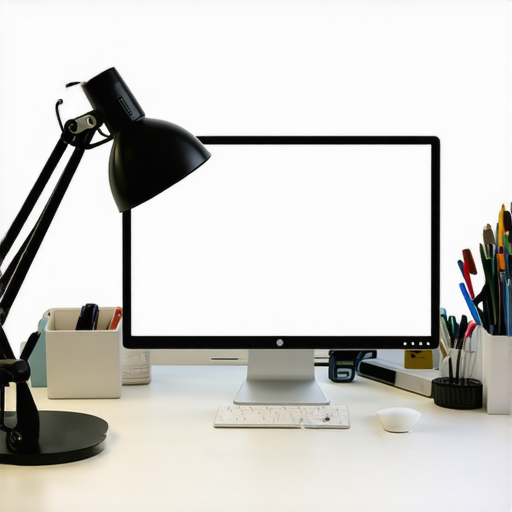
It was one of those afternoons when I finally sat down to my workspace, only to be greeted by a stubborn glare bouncing off my monitor right into my eyes. I adjusted the lamp multiple times, but nothing seemed to work. Frustrated, I realized my lighting setup was actually making my focus worse—not better. That light fixture I so carefully picked turned into an unintentional distraction.
The Surprising Power of Light Direction
Could Your Desk Lamp Be Sabotaging Your Productivity?
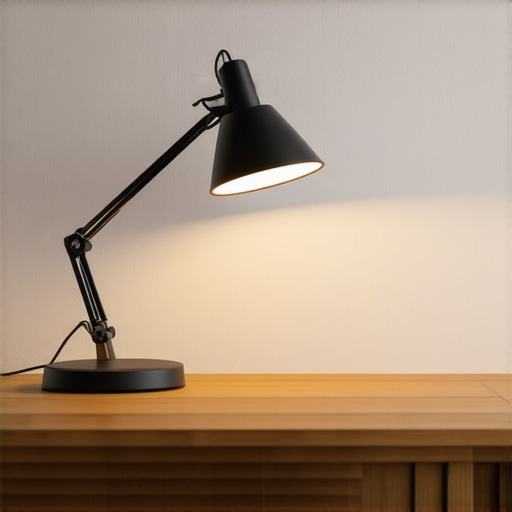
In my early days of setting up the perfect workspace, I made a classic mistake: I placed my desk lamp directly above or pointed it straight at my screen. I thought brighter meant better, but I was wrong. This setup created harsh shadows, caused glare, and strained my eyes. Finding the right lighting became a process of trial and error—until I discovered the simple but effective trick of angling my lamp toward the wall instead.
This adjustment transformed my focus. The indirect light softened the environment, reduced glare, and even improved my screen contrast. According to research by the American Optometric Association, proper lighting can significantly decrease eye strain and boost overall productivity. My own experience reaffirmed that small tweaks in lighting direction can have a big impact.
So, today’s promise is to share why angling your desk lamp toward the wall really works and how you can easily implement it. Ready to turn your workspace into a focus-friendly zone? Keep reading, and you might just find that your workspace setup is the missing piece to your productivity puzzle.
Simplify Your Desk Lighting Setup
Begin by evaluating your existing lighting. Turn off all other lights and observe how your workspace appears. If your desk lamp shines directly into your eyes or creates glare on your screen, it’s time to adjust. Think of your lighting as a team: each element should complement the others without overpowering.
Position Your Desk Lamp Correctly
Angle Away from Your Screen
I recall a Monday morning when I placed my LED desk lamp directly above my monitor. The glare was unbearable until I shifted the lamp to an angle where it pointed toward the wall behind me. This simple move diffused the light, reduced glare, and made long hours much easier on my eyes. For detailed guidance, check out how-to-find-the-perfect desk lamp position.
Adjust the Light’s Height and Distance
Position the lamp about 16-20 inches from your workspace, and ensure it’s at a height where it doesn’t cast shadows across your desk. Think of your lamp as a softbox in photography — the goal is even, gentle lighting, not harsh beams.
Utilize Indirect Lighting Techniques
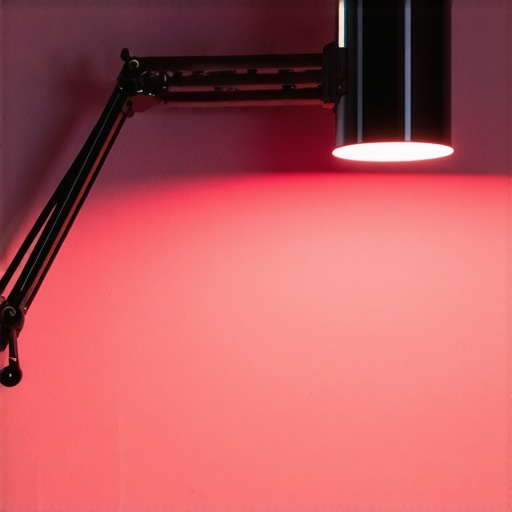
Switch from direct LED lighting to indirect lighting by bouncing light off the wall or ceiling. This creates a broader, softer illumination that minimizes eye strain. I experimented with a small adjustable arm that directs light toward the wall, which made a noticeable difference. To learn more, explore workspace lighting with modern LED solutions.
Integrate Bias Lighting for Enhanced Comfort
Adding bias lighting behind your monitor reduces contrast strain. It’s like giving your eyes a buffer zone, preventing abrupt brightness shifts. For optimal setup tips, read bias lighting tips.
Optimize Ring Light Placement for Video Calls
If your work involves video conferencing, positioning your ring light correctly is crucial. Place it slightly above or directly in front of your face at a 45-degree angle to avoid shadows and glare on glasses. I once placed my ring light directly in front, which caused reflections. Moving it just a few inches higher solved the problem, as detailed in ring light placement hacks.
Many assume that simply adding more light or choosing flashy tech like high-CRI LED lamps automatically creates an optimal workspace. However, this oversimplification overlooks crucial nuances. For example, the misconception that brighter is always better can lead to over-illumination, causing glare and eye strain instead of alleviating it. In reality, the key lies in balancing light quality and placement. According to a study published by the Lighting Research Center, misjudging the color temperature and intensity of your lighting can significantly impact focus and well-being.
One of the most overlooked aspects is the importance of indirect lighting techniques. While many focus solely on direct lamp placement, bouncing light off walls or ceilings can diffuse brightness evenly, reducing harsh shadows and glare. This nuance is especially vital when working long hours, as uneven lighting can cause subtle eye fatigue that accumulates over time.
A notorious trap is the misuse of ring lights. While they excel at providing uniform light for video calls, improper positioning—such as placing it directly in front of your face or too low—can create unnatural shadows and glare, particularly on glasses. The advanced trick is to place the ring light slightly above eye level at a 45-degree angle, which minimizes reflections and produces flattering illumination. For detailed tips, you can explore ring light positioning hacks.
Another false belief is that bias lighting is a luxury rather than an essential component. Many neglect bias lighting behind monitors, which acts as a reference point for your eyes, improving contrast and reducing strain when viewing high-contrast screens. For high-performance setups, integrating bias lighting is a must. You might find it beneficial to read bias lighting tips.
What Do Experts Say About Workspace Lighting Expectations?
In fact, lighting professionals stress that optimal workspace lighting involves layered sources—ambient, task, and accent lighting—that work harmoniously. Over-reliance on a single bright lamp can be counterproductive, leading to visual fatigue. Instead, combining indirect ambient light with well-positioned task lighting achieves a comfortable, productive environment. Keep in mind that each element should support your work rhythm and minimize eye strain. To learn more about creating this layered setup, see how to choose the perfect desk lamp.
In conclusion, understanding these hidden nuances and avoiding common myths can transform an average workspace into a productivity haven. Remember, the devil is in the details—small tweaks in lighting direction, placement, and layering can make all the difference. Have you ever fallen into this trap? Let me know in the comments.Investing in quality lighting tools is crucial for maintaining an optimal workspace environment long-term. First, I highly recommend upgrading to a high-CRI LED desk lamp, like the models discussed in this AI desk lamp review. High-CRI lighting ensures accurate color rendering, reducing eye fatigue during prolonged work sessions. To optimize placement, I use a flexibly adjustable lamp arm, which allows me to fine-tune angles and height easily, ensuring consistent indirect lighting—this prevents the common pitfall of fluctuating glare or shadows. My favorite is the F-Lux type smart lamp, which syncs with my screen brightness and adjusts color temperature automatically, maintaining a comfortable environment regardless of time of day. For managing long-term results, I leverage bias lighting strips behind my monitor, following guidelines from biased lighting experts, ensuring contrast remains comfortable across my display. Additionally, I rely on a ring light with a diffuser, positioned at a slight angle, to ensure even, shadow-free illumination during video calls, as recommended in professional ring light tips. Using software like f.lux or Iris, I adjust screen brightness and color temperature dynamically, matching ambient light and reducing eye strain throughout the day. Predictions suggest that as technology advances, smarter lighting systems integrating IoT and AI will become more prevalent, automatically adjusting based on time, activity, and even health metrics. To stay ahead, I suggest experimenting with a programmable smart desk lamp that can be scheduled or triggered via app to change lighting modes automatically, ensuring your workspace remains optimized without manual intervention. How do I maintain my lighting setup over time? Routine checks are key—every few months, assess whether your lamps need cleaning or repositioning, and update your bias lighting to match screen upgrades. Regularly calibrate your screens and lighting to maintain consistency, especially if you switch display devices or change room layouts. Remember, the right tools and consistent maintenance make all the difference in preserving a comfortable, productive workspace. Try adding a smart adjustable desk lamp today to automate your perfect lighting conditions and enjoy long-term comfort.
Lessons I Didn’t Expect to Learn About Workspace Lighting
- The subtle difference between direct and indirect lighting can drastically reduce eye fatigue, yet I underestimated this for years.
- Overilluminating my space with bright LEDs actually made focus harder, proving that sometimes less is more when it comes to task lighting.
- My breakthrough came when I realized that angling my desk lamp toward the wall not only softens the environment but also enhances contrast, making screens easier on my eyes.
- Using multiple layers of lighting—ambient, task, and bias—creates a harmonious space that encourages deep work rather than distraction.
- Even small adjustments, like raising a ring light or changing its angle, can eliminate reflections and shadows, boosting confidence during video calls.
My Go-To Resources to Elevate Workspace Lighting
- Modern LED Solutions: This site offers insights into the latest lighting innovations that help fine-tune workspace illumination, trusted because it combines scientific research with real-world application.
- Bias Lighting Tips: Their detailed guides have transformed my screen contrast management, making long hours feel effortless and less fatiguing.
- Lighting Technology Tutorials: Including tutorials on positioning ring lights perfectly, these resources are invaluable for content creators and remote professionals alike.
- Expert Blogs and Case Studies: Personal stories and experiments posted here have inspired me to keep experimenting and refining my setup.
Your Next Step Toward Better Workspace Lighting
Don’t wait to make these simple yet powerful lighting tweaks in your workspace. Embracing layered, indirect, and adjustable lighting can unlock new levels of comfort and productivity. Remember, your environment can be your greatest ally—invest in it and watch your focus thrive. Are you ready to start transforming your workspace lighting today? Let me know your plans or struggles below, and let’s build a brighter, more focused future together.

About the Author
Ricardo Vargas
Director of Operations and Product Development
Ricardo Vargas is a seasoned professional in the lighting industry, currently serving as a Director of Operations and Product Development
LinkedIn Profile